High humidity environments place unique and often underestimated stress on residential and commercial cooling systems. While air conditioners are designed to manage both temperature and moisture, prolonged exposure to humid conditions accelerates wear on key components, reduces efficiency, and shortens system lifespan. Understanding how humidity affects cooling systems helps property owners take preventive steps and avoid unexpected breakdowns.
How High Humidity Affects Cooling Systems
Cooling systems do more than lower air temperature—they also remove moisture from indoor air. In high humidity environments, systems must work longer and harder to extract excess moisture while maintaining comfort levels. This increased workload leads to longer run times, higher energy consumption, and greater mechanical strain.
When humidity consistently exceeds design expectations, components experience faster deterioration, even if the system is relatively new or well-sized.
Increased Strain on Evaporator Coils
The evaporator coil plays a central role in both cooling and dehumidification. In humid conditions, more moisture condenses on the coil surface. Over time, constant exposure to moisture increases the risk of corrosion, especially if airborne contaminants such as salt, chemicals, or pollutants are present.
Corroded coils lose efficiency, restrict airflow, and may develop refrigerant leaks. These issues reduce cooling performance and often lead to costly repairs or premature replacement.
Condensate Drainage Issues
High humidity leads to increased condensate production. Cooling systems rely on drain pans and condensate lines to safely remove this moisture. When moisture output exceeds normal levels, drain systems are more likely to clog with algae, mold, or debris.
Blocked drain lines can cause water backups, leading to leaks, water damage, or system shutdowns triggered by safety switches. Repeated exposure to standing water also accelerates rust and microbial growth within the system.
Corrosion of Outdoor Components
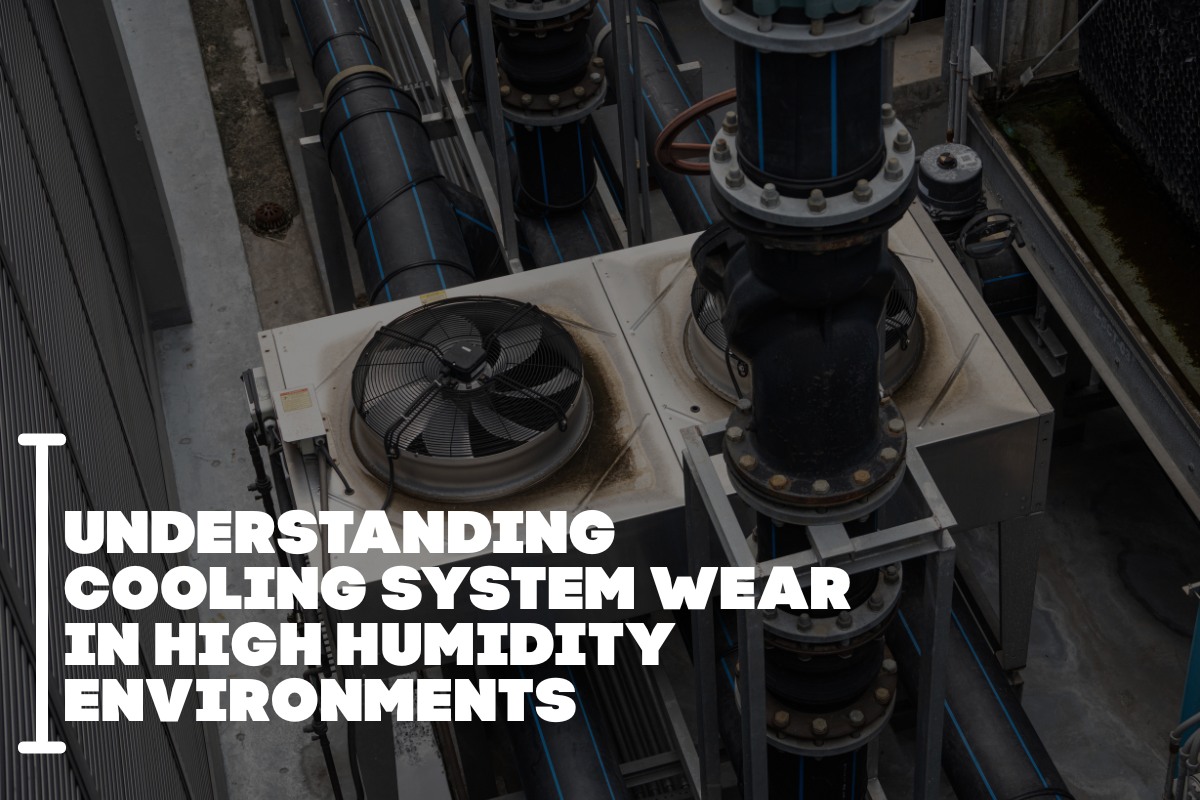
Outdoor condenser units are especially vulnerable in humid climates. Persistent moisture, combined with rain and condensation, promotes rust and corrosion on metal components such as coils, fins, cabinets, and fasteners.
Coastal or industrial areas face even greater risk due to salt air or chemical exposure. Corrosion reduces heat transfer efficiency and can compromise structural integrity, increasing the likelihood of component failure.
Electrical Component Degradation
Humidity does not only affect mechanical parts—it also impacts electrical components. Moisture intrusion can corrode wiring connections, circuit boards, and terminals. Over time, this corrosion increases electrical resistance, causes intermittent operation, and raises the risk of system malfunctions.
Electrical failures caused by humidity are often difficult to diagnose because symptoms may appear sporadically before escalating into complete system failure.
Reduced Efficiency and Higher Energy Consumption
As wear accumulates, cooling systems in humid environments lose efficiency. Dirty or corroded coils, restricted airflow, and failing components force the system to run longer cycles to achieve desired temperatures.
This inefficiency leads to higher energy bills and increased wear, creating a cycle where the system degrades faster the harder it works. Homeowners may notice uneven cooling, longer run times, or persistent indoor humidity despite continuous operation.
Mold and Biological Growth Risks
High humidity creates ideal conditions for mold and microbial growth within cooling systems. Evaporator coils, drain pans, and ductwork can harbor biological contaminants when moisture is consistently present.
Beyond equipment damage, this growth can impact indoor air quality, contributing to odors, allergies, and respiratory discomfort. Biological buildup also restricts airflow, further reducing system performance.
The Importance of Proper System Design
Systems operating in humid climates must be properly sized and designed for moisture control, not just temperature reduction. Oversized systems cool air too quickly, shutting off before adequate dehumidification occurs. This results in clammy indoor conditions and increased moisture-related wear.
Variable-speed systems and dedicated dehumidification features are often better suited for high humidity environments, as they manage moisture more effectively and reduce stress on components.
Preventive Maintenance in Humid Conditions
Regular maintenance is especially critical in high humidity regions. Routine coil cleaning, drain line flushing, electrical inspections, and corrosion prevention treatments help slow wear and extend system life.
Using high-quality air filters, maintaining proper airflow, and addressing small issues early can significantly reduce long-term damage caused by humidity.
Extending System Lifespan Through Proactive Care
While high humidity accelerates cooling system wear, proactive care makes a meaningful difference. Understanding environmental stressors allows homeowners and facility managers to adjust maintenance schedules, upgrade components when necessary, and optimize system settings.
By addressing humidity-related wear early, cooling systems can operate more reliably, efficiently, and safely—even in the most challenging climates.
FAQs
Why do cooling systems wear out faster in humid climates?
High humidity increases run times, moisture exposure, and corrosion, accelerating component deterioration.
Which cooling system parts are most affected by humidity?
Evaporator coils, condensate drain systems, electrical components, and outdoor condenser units are most vulnerable.
Can humidity cause air conditioner leaks?
Yes. Excess condensate and clogged drain lines often lead to water leaks and overflow issues.
Does high humidity increase energy costs?
Yes. Systems must work harder and longer to remove moisture, leading to higher energy consumption.
How can I reduce humidity-related cooling system wear?
Regular maintenance, proper system sizing, improved drainage, and enhanced dehumidification features help reduce wear.