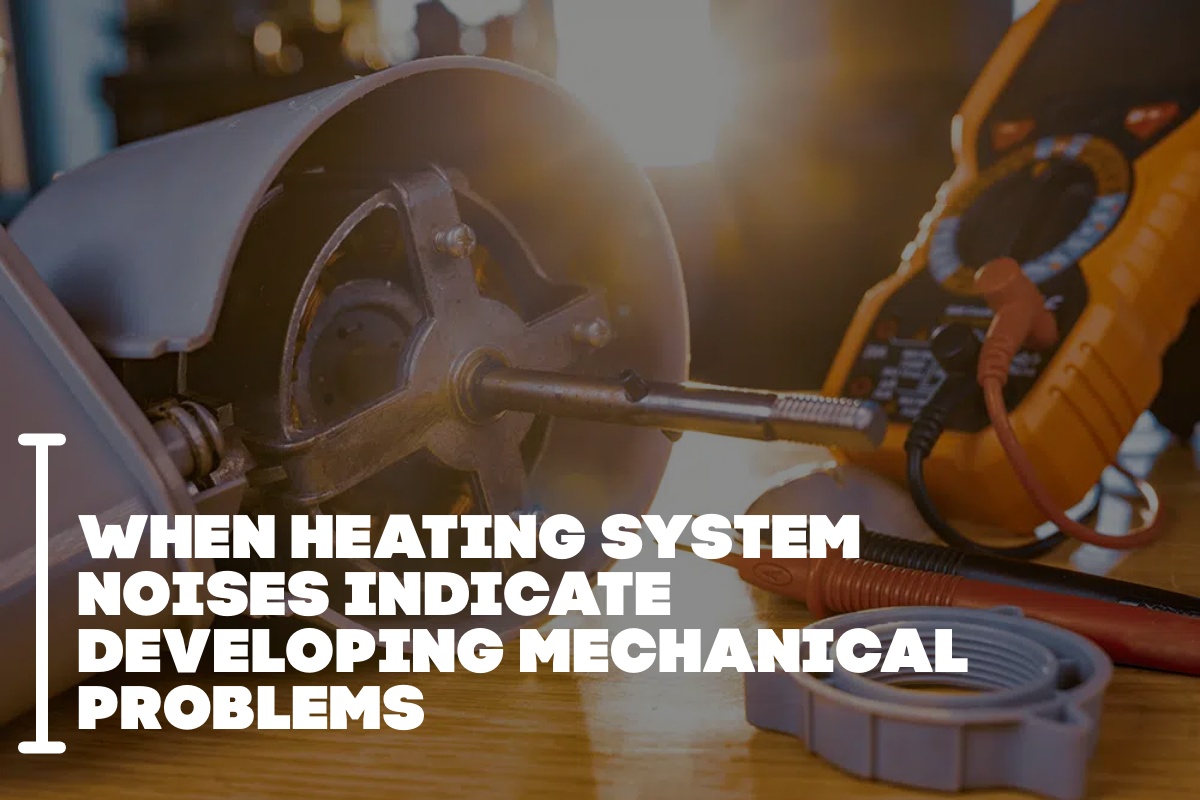
A properly functioning heating system should operate with minimal noise. While a slight hum during operation is normal, persistent or unusual sounds often indicate developing mechanical problems. Ignoring these warning signs can lead to reduced efficiency, higher energy bills, and costly breakdowns. Understanding what different heating system noises mean allows homeowners to address minor issues before they escalate into serious mechanical failures.
Common Types of Heating System Noises
Different sounds can signal different mechanical concerns. Identifying the type of noise is the first step toward diagnosing the underlying problem.
1. Banging or Popping Sounds
Banging or popping noises often occur when metal components expand and contract due to temperature changes. While occasional sounds may be harmless, repeated or loud banging can indicate deeper issues.
Possible causes:
- Expanding and contracting ductwork
- Dirty burners causing delayed ignition
- Sediment buildup in boilers (kettling)
- Cracked heat exchanger
Delayed ignition is particularly concerning, as it can strain internal components and pose safety risks.
2. Squealing or Screeching Noises
High-pitched squealing typically signals friction within moving parts. These sounds often come from the blower motor or fan assembly.
Common mechanical causes:
- Worn or misaligned belts
- Failing motor bearings
- Loose blower components
- Lack of lubrication
If left unresolved, these problems can lead to complete motor failure and system shutdown.
3. Rattling or Clanking Sounds
Rattling noises usually indicate loose components within the heating unit or duct system.
| Noise Type | Potential Cause | Risk Level |
|---|---|---|
| Light rattling | Loose panel or screws | Low to Moderate |
| Metallic clank | Broken internal component | Moderate to High |
| Repetitive tapping | Loose blower wheel | Moderate |
| Vibrating ducts | Poorly secured ductwork | Low to Moderate |
Persistent clanking may signal a fractured part that requires immediate professional inspection.
4. Hissing or Whistling Sounds
Hissing sounds can indicate airflow restrictions or, more seriously, gas or steam leaks.
Potential issues include:
- Air leaks in ductwork
- Clogged air filters restricting airflow
- Leaking gas valves
- Steam escaping from boiler pipes
Gas-related hissing should never be ignored. If a gas smell accompanies the sound, immediate action and professional service are essential.
What Causes Heating Systems to Become Noisy?
Heating systems experience wear and tear over time. Mechanical components operate under high temperatures and repeated cycles, leading to gradual deterioration.
Contributing factors include:
- Lack of regular maintenance
- Dirty filters and burners
- Aging internal components
- Improper installation
- Excessive system strain
Without routine inspections, small mechanical irregularities can develop into major operational failures.
Warning Signs That Require Immediate Attention
Certain noises indicate urgent mechanical risks rather than routine wear.
Immediate service is recommended if you notice:
- Loud banging during ignition
- Persistent screeching from the motor
- Continuous rattling combined with reduced heating
- Hissing paired with gas odor
- Sudden system shutdown after unusual sounds
Delaying service in these situations can compromise both system safety and household comfort.
Preventive Maintenance Reduces Mechanical Failure
Proactive maintenance plays a vital role in preventing heating system noise and mechanical damage. Regular servicing ensures components remain properly aligned, lubricated, and clean.
Recommended Maintenance Practices
- Schedule annual professional inspections
- Replace air filters every 1–3 months
- Inspect ductwork for leaks or loose sections
- Lubricate moving components as needed
- Test thermostat functionality
- Clean burners and internal components
Routine care not only reduces noise but also improves efficiency and extends system lifespan.
Energy Efficiency and Cost Implications
Noisy heating systems often operate less efficiently. Mechanical strain increases energy consumption, causing higher utility bills.
Benefits of early intervention include:
- Lower energy usage
- Reduced repair costs
- Improved indoor comfort
- Extended equipment lifespan
- Greater system reliability
Addressing unusual noises promptly prevents compounding mechanical stress and costly replacements.
FAQs
Are all heating system noises a sign of serious problems?
Not necessarily. Some minor expansion sounds are normal, but persistent or loud noises typically indicate developing mechanical concerns that require attention.
How often should a heating system be serviced?
Professional inspections are recommended at least once per year, ideally before the start of the heating season.
Can dirty filters cause heating system noise?
Yes. Clogged filters restrict airflow, which can cause whistling sounds and strain internal components.
Is a hissing sound from my heater dangerous?
It can be. While it may indicate an air leak, it could also signal a gas or steam leak. If accompanied by a gas odor, seek immediate professional help.
Does fixing minor noises improve efficiency?
Absolutely. Addressing small mechanical issues early prevents strain on the system, improves performance, and reduces energy consumption.