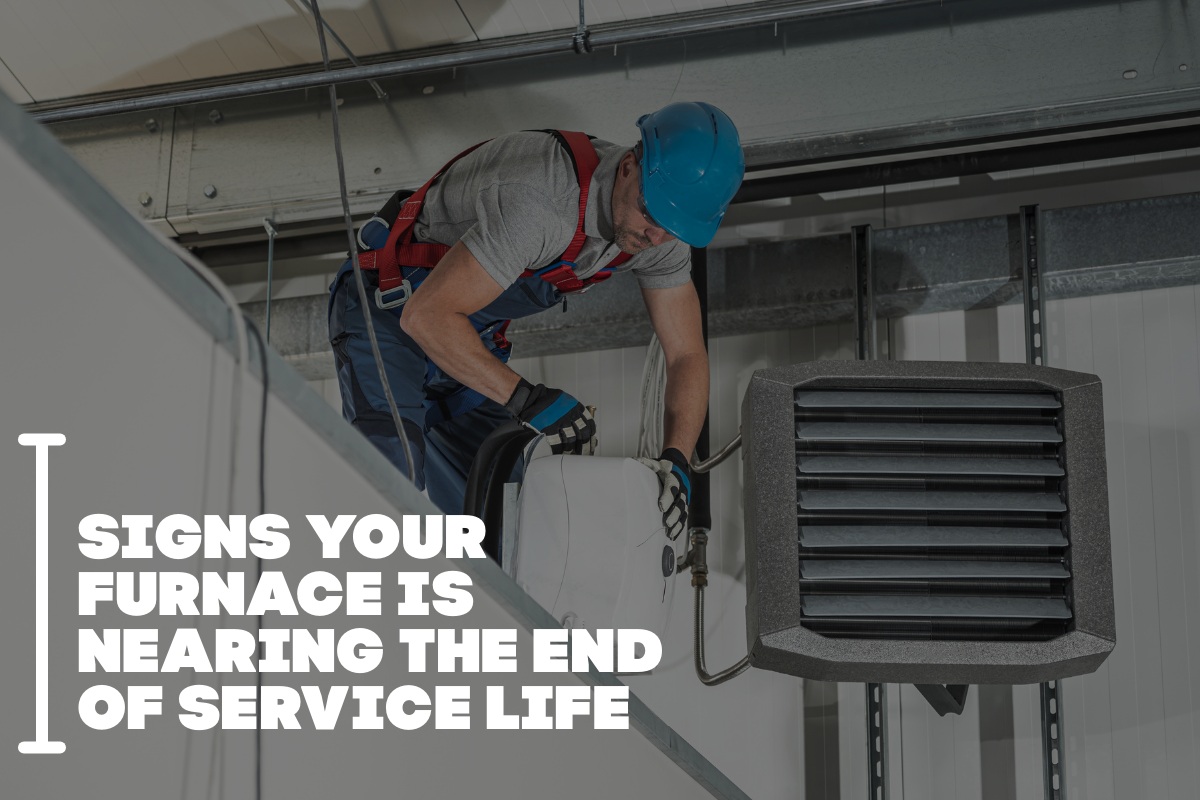
A furnace is one of the most important systems in any home, especially in colder climates where consistent heating is essential for comfort and safety. While regular maintenance can extend its lifespan, no furnace lasts forever. Recognizing the warning signs that your furnace is nearing the end of its service life can help you avoid sudden breakdowns, costly emergency repairs, and uncomfortable winter nights.
Average Furnace Lifespan
Most residential furnaces have a lifespan between 15 and 20 years, depending on the model, fuel type, usage, and maintenance history.
| Furnace Type | Average Lifespan | Key Factors Affecting Longevity |
|---|---|---|
| Gas Furnace | 15–20 years | Maintenance, heat exchanger condition |
| Electric Furnace | 20–30 years | Electrical component wear |
| Oil Furnace | 15–25 years | Burner maintenance, fuel quality |
If your system is approaching or exceeding these timelines, it may be time to start planning for replacement.
Rising Energy Bills
One of the earliest signs of a failing furnace is a steady increase in energy costs. As components wear down, the system works harder to produce the same amount of heat. Reduced efficiency leads to:
- Higher monthly heating bills
- Longer heating cycles
- Increased strain on internal components
If your utility bills are climbing without a change in usage patterns, your furnace may be losing efficiency due to age.
Frequent Repairs
Occasional repairs are normal, but repeated service calls can indicate a system nearing retirement. Common recurring issues include:
- Ignition problems
- Blower motor failure
- Faulty thermostats
- Cracked heat exchangers
When repair costs begin to approach half the cost of a new unit, replacement is often the more economical decision.
Uneven Heating Throughout the Home
An aging furnace may struggle to distribute heat evenly. You might notice:
- Cold spots in certain rooms
- Inconsistent temperatures between floors
- Thermostat settings that no longer match actual room temperature
These issues can result from declining performance, ductwork strain, or reduced airflow caused by internal wear.
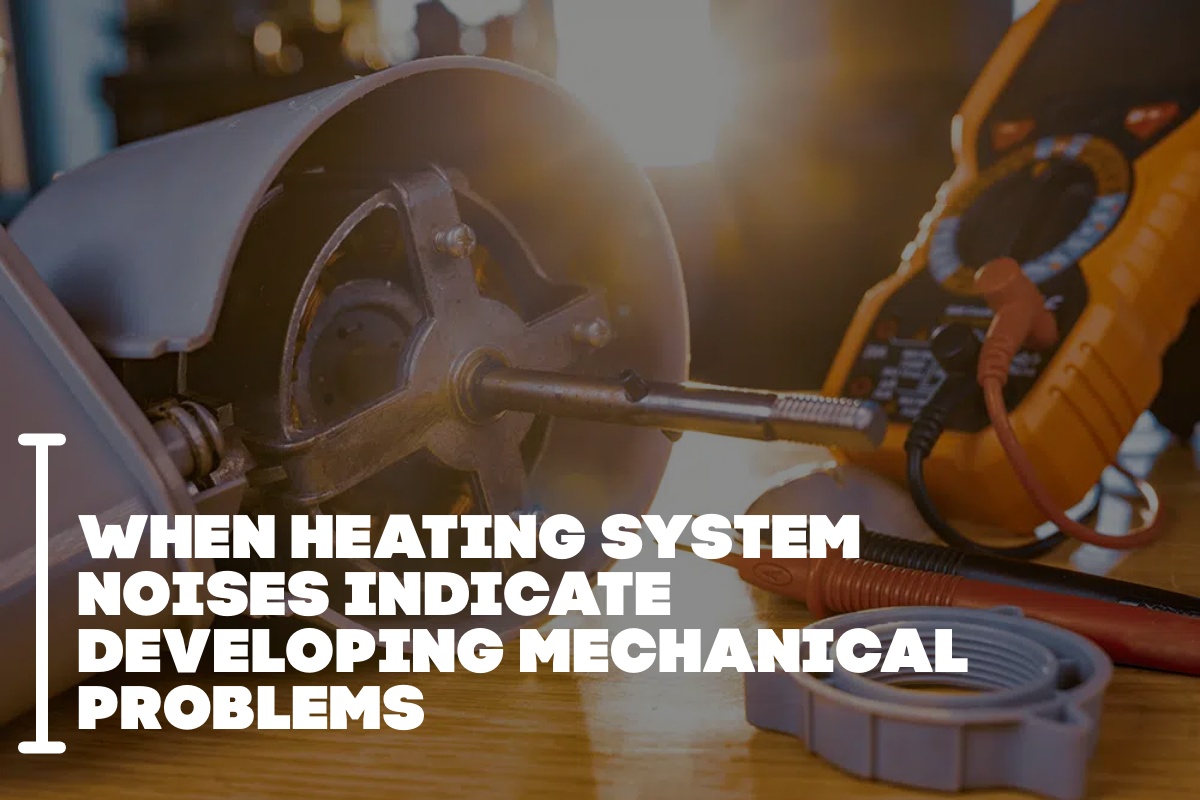
Unusual Noises
While furnaces naturally produce some sound during operation, new or louder noises can signal trouble. Pay attention to:
- Banging or popping
- Rattling or vibrating
- Squealing or screeching
- Persistent humming
These sounds often indicate loose components, motor problems, or structural deterioration inside the unit.
Yellow Burner Flame
For gas furnaces, the burner flame should be steady and blue. A yellow or flickering flame can signal incomplete combustion, which may indicate:
- Carbon monoxide risks
- Ventilation issues
- Dirty burners
- Failing heat exchanger
This issue requires immediate professional inspection, as it can pose serious safety hazards.
Excessive Dust and Poor Air Quality
Older furnaces may struggle to filter air properly. As internal components wear down, you may notice:
- Increased dust accumulation
- Worsening allergies
- Dry or stale indoor air
- Visible soot near vents
Poor air quality can indicate reduced filtration efficiency or cracks in internal components.
Short Cycling
Short cycling occurs when the furnace turns on and off frequently without completing a full heating cycle. This problem can stem from:
- Overheating components
- Thermostat malfunctions
- Restricted airflow
- Aging mechanical parts
Short cycling not only reduces comfort but also accelerates wear and tear on the system.
Visible Rust or Cracks
Physical signs of deterioration are strong indicators that replacement may be necessary. Inspect your furnace for:
- Rust on the exterior cabinet
- Cracks in the heat exchanger
- Corrosion around burners
- Loose or damaged wiring
Structural damage often signals that the unit is approaching the end of its functional life.
Comparison: Repair vs. Replacement
| Situation | Recommended Action |
|---|---|
| Furnace under 10 years old with minor issues | Repair |
| Frequent breakdowns and rising costs | Consider replacement |
| Major component failure after 15+ years | Replace |
| Safety concerns (cracked heat exchanger) | Immediate replacement |
Evaluating the overall condition helps determine the most cost-effective and safe solution.
When to Plan Ahead
Replacing a furnace before it fails completely offers several advantages:
- Avoid emergency winter breakdowns
- Take advantage of off-season pricing
- Improve energy efficiency
- Reduce long-term repair costs
Planning proactively allows homeowners to compare models, explore financing options, and schedule installation conveniently.
FAQs
How can I tell if my furnace needs repair or replacement?
If repair costs are high, breakdowns are frequent, and the unit is over 15 years old, replacement is usually more cost-effective.
Is it safe to run an old furnace?
An older furnace can operate safely if properly maintained, but signs like a yellow flame or cracked heat exchanger require immediate attention.
Can regular maintenance extend furnace lifespan?
Yes. Annual inspections and filter changes significantly improve efficiency and longevity.
What time of year is best to replace a furnace?
Spring and early fall are typically ideal because HVAC companies may offer lower rates during slower seasons.