Heating systems are essential for maintaining indoor comfort and safety during colder months. Whether powered by gas, electricity, oil, or heat pumps, residential heating systems are complex networks of mechanical and electrical components. Over time, wear and tear, poor maintenance, or system aging can lead to failures. Understanding common heating problems helps homeowners respond quickly, reduce repair costs, and prevent unexpected breakdowns.
Why Heating Systems Fail
Heating systems operate under continuous thermal stress. Fluctuating temperatures, pressure changes, dust accumulation, and component fatigue contribute to mechanical deterioration.
Common contributing factors include:
- Lack of routine maintenance
- Dirty filters or blocked vents
- Aging components
- Electrical malfunctions
- Thermostat miscalibration
Proactive inspection and servicing can significantly reduce system failure risks.
Common Types of Residential Heating Systems
Different systems experience different types of failures. The most common residential heating systems include:
- Furnaces (gas or electric)
- Boilers (steam or hot water)
- Heat pumps
- Radiant floor heating systems
Each system has unique maintenance requirements and vulnerabilities.
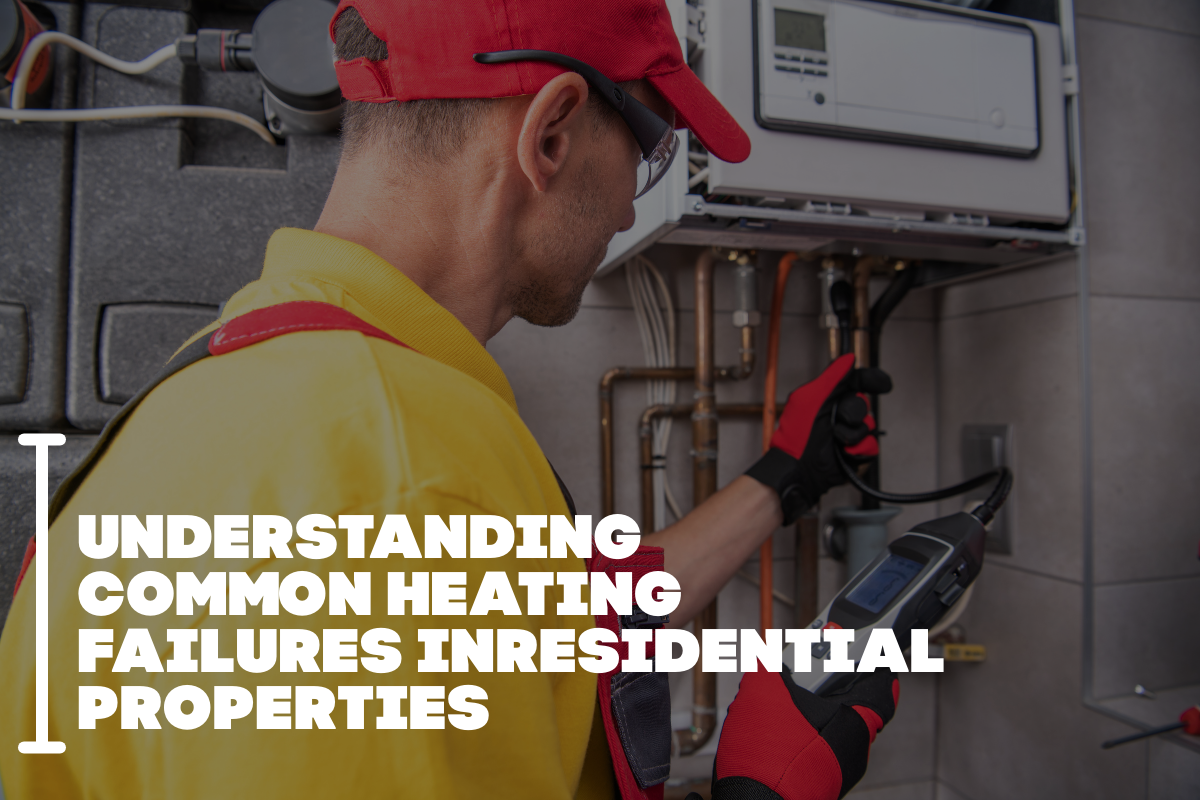
Visual Overview of Common Heating Components
Understanding system components helps homeowners identify early warning signs.
Most Common Heating Failures
1. Dirty or Clogged Filters
Clogged air filters restrict airflow, forcing the system to work harder. This can lead to:
- Overheating
- Reduced efficiency
- Increased energy bills
- Premature system shutdown
Regular filter replacement improves airflow and system performance.
2. Thermostat Malfunctions
Faulty thermostats may cause inconsistent temperatures or prevent the system from turning on.
Symptoms include:
- Incorrect temperature readings
- Short cycling (frequent on/off operation)
- Failure to respond to adjustments
Recalibration or replacement often resolves the issue.
3. Ignition or Pilot Light Problems
Gas furnaces rely on ignition systems to operate. Failures may result from:
- Faulty igniters
- Dirty burners
- Gas supply interruptions
These issues can prevent the furnace from producing heat.
4. Blower Motor Failures
The blower motor circulates warm air throughout the home. Common causes of failure include:
- Worn bearings
- Electrical wiring problems
- Motor overheating
Without proper airflow, heating efficiency declines significantly.
5. Boiler Pressure Issues
Boilers depend on consistent water pressure. Low or fluctuating pressure can result from:
- Leaks in the system
- Faulty pressure valves
- Air trapped in pipes
Pressure irregularities may reduce heating output or damage components.
Preventive Maintenance vs. Reactive Repairs
| Maintenance Approach | Preventive Care | Reactive Repairs |
|---|---|---|
| Inspection Frequency | Scheduled annually | Only after failure occurs |
| Cost Impact | Lower long-term expenses | Higher emergency repair costs |
| System Lifespan | Extended | Reduced due to repeated stress |
| Comfort Consistency | Stable temperature control | Sudden heating interruptions |
| Energy Efficiency | Optimized | Reduced performance |
Preventive maintenance is typically more cost-effective and reliable.
Warning Signs of Heating System Failure
Homeowners should monitor for early warning indicators:
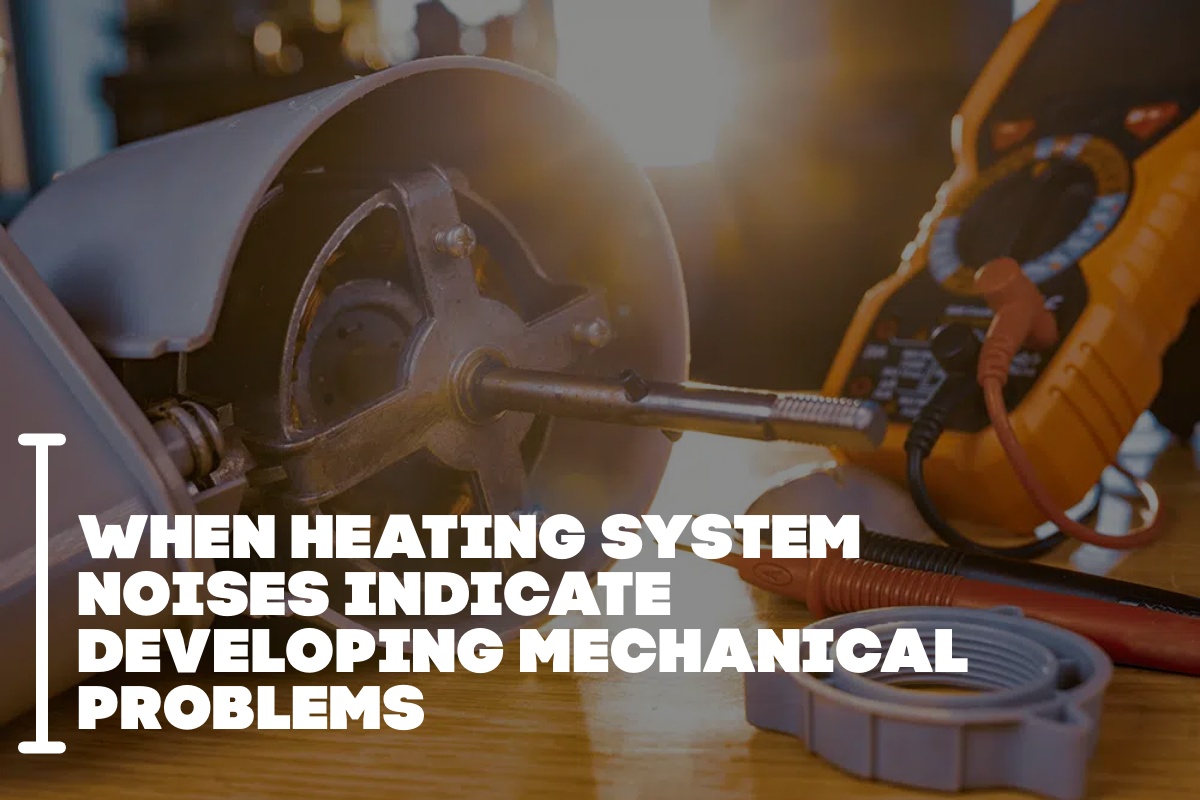
- Unusual noises (banging, rattling, squealing)
- Uneven heating across rooms
- Rising energy bills
- Frequent cycling on and off
- Burning smells or unusual odors
Addressing minor issues early prevents larger mechanical failures.
The Role of Professional Inspections
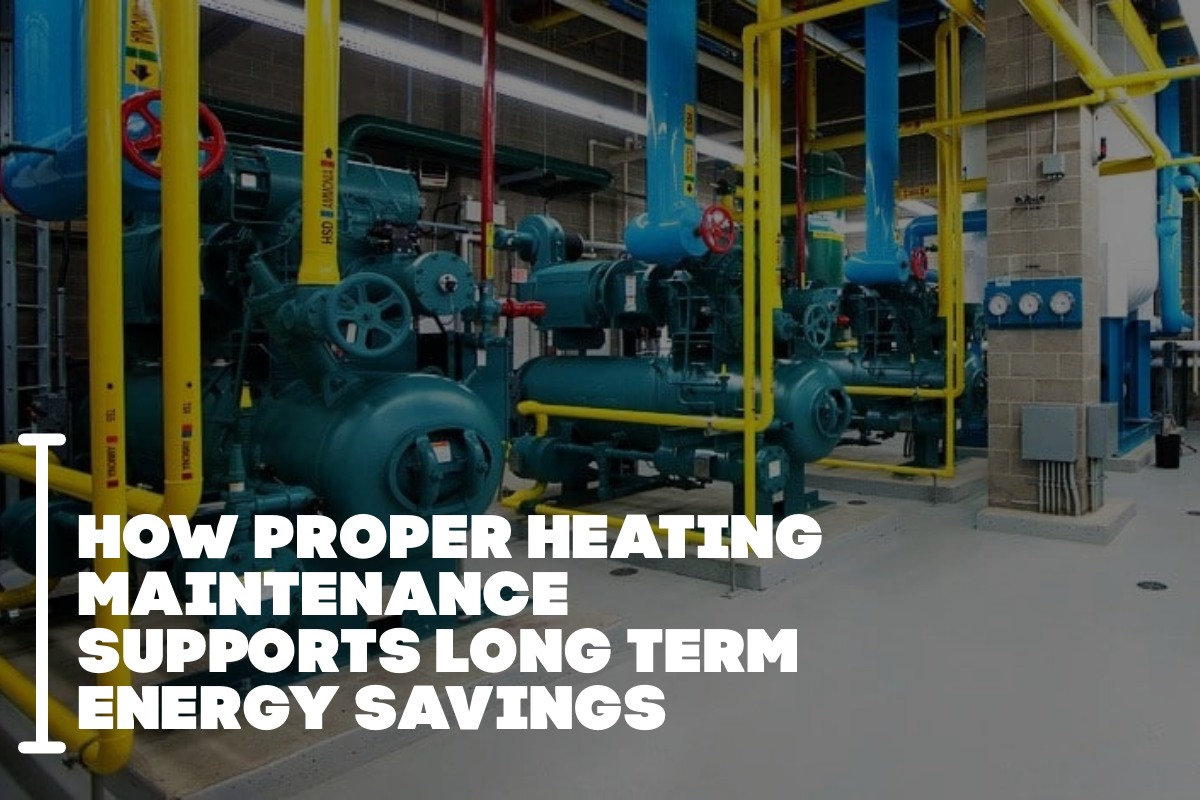
Annual professional inspections ensure that components such as heat exchangers, burners, electrical connections, and safety controls function properly.
Professional services often include:
- System cleaning
- Safety checks
- Calibration adjustments
- Efficiency testing
Regular servicing improves safety and performance.
When to Consider Replacement
In some cases, replacing an aging heating system may be more practical than repeated repairs.
Indicators for replacement include:
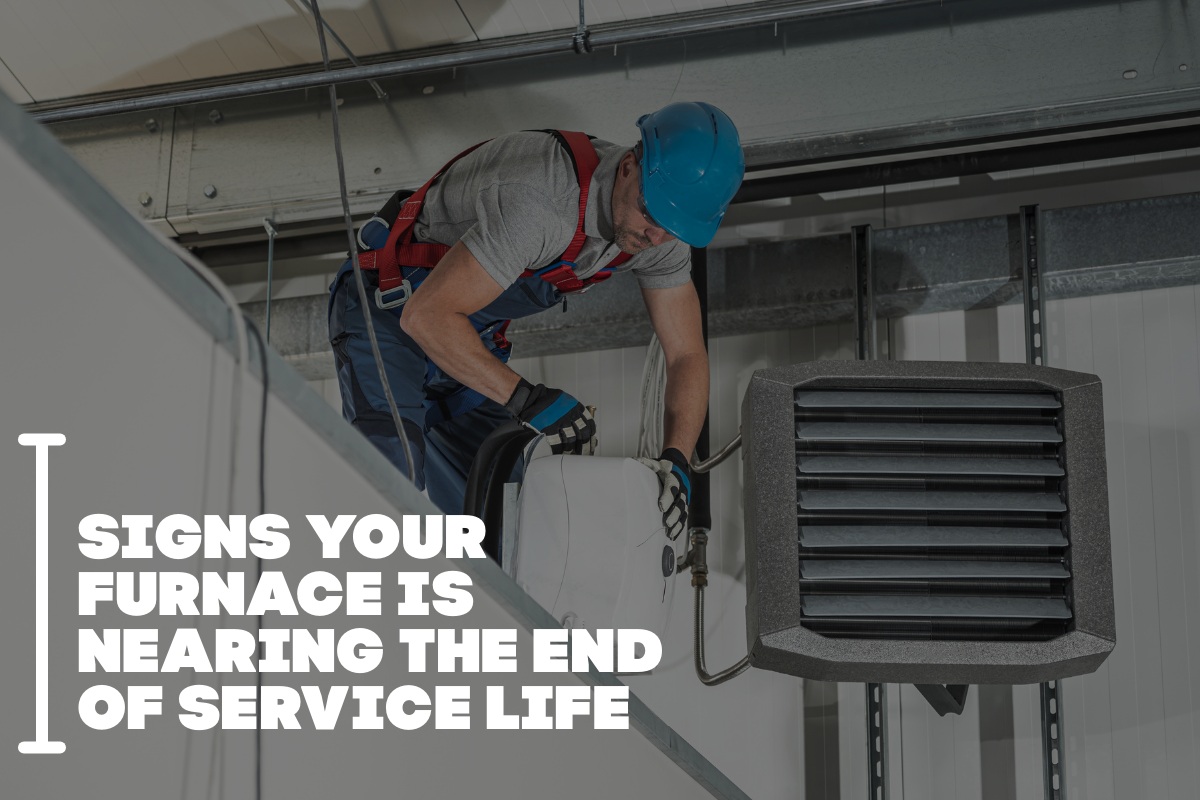
- System age exceeding 15–20 years
- Frequent breakdowns
- Decreased heating efficiency
- Rising maintenance costs
Modern heating systems offer improved energy efficiency and lower operating costs.
FAQs
1. How often should residential heating systems be serviced?
It is recommended to schedule professional maintenance at least once per year, ideally before the winter season.
2. Why does my heater turn on and off frequently?
This may be due to thermostat issues, dirty filters, or airflow restrictions.
3. What causes uneven heating in different rooms?
Blocked vents, duct leaks, or blower motor issues often cause uneven heating.
4. How long do heating systems typically last?
Most systems last between 15 to 20 years, depending on maintenance and usage.
5. Can I perform basic heating maintenance myself?
Yes, tasks like replacing air filters and checking thermostat settings can be done by homeowners, but complex repairs require professionals.