Air conditioning systems work hardest during peak seasonal temperatures, especially in late spring and throughout summer. A seasonal AC tune-up is more than a routine check—it is a proactive step that directly improves system performance, efficiency, and reliability. Understanding why regular tune-ups matter helps homeowners avoid breakdowns, reduce energy costs, and extend the life of their cooling equipment.
Preparing the System for Peak Demand
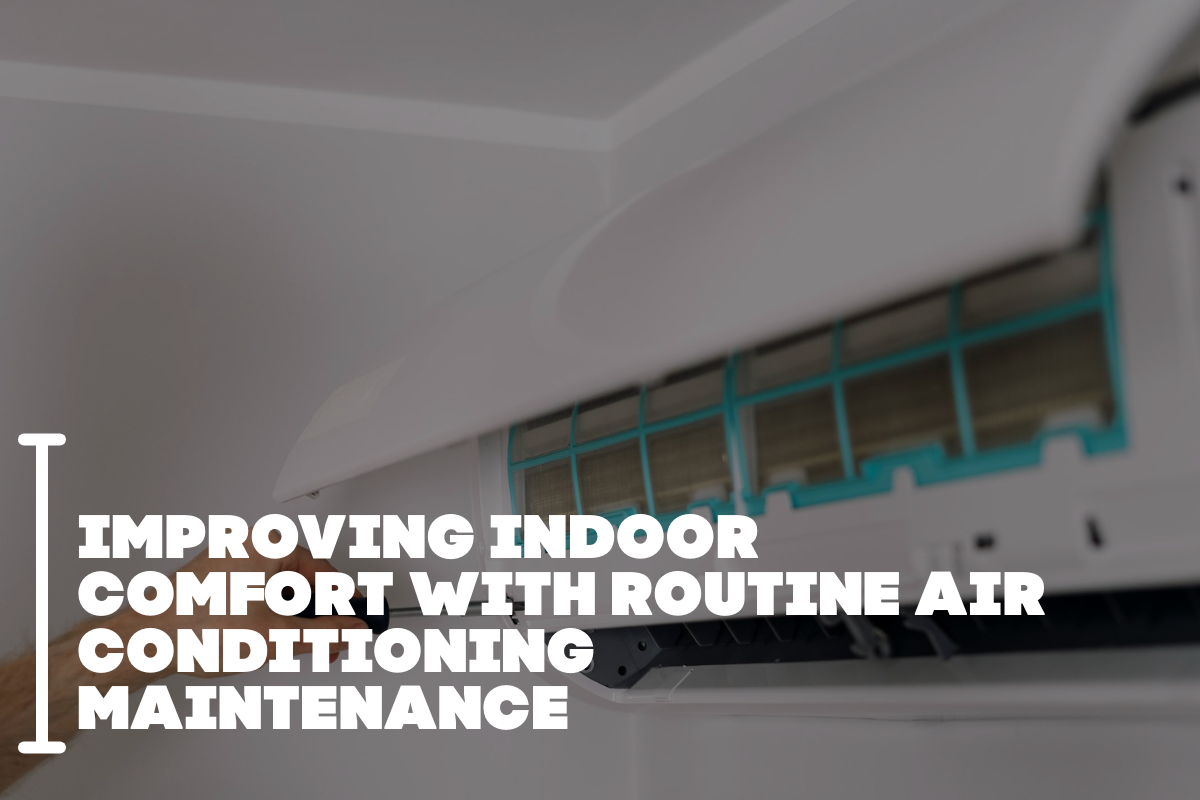
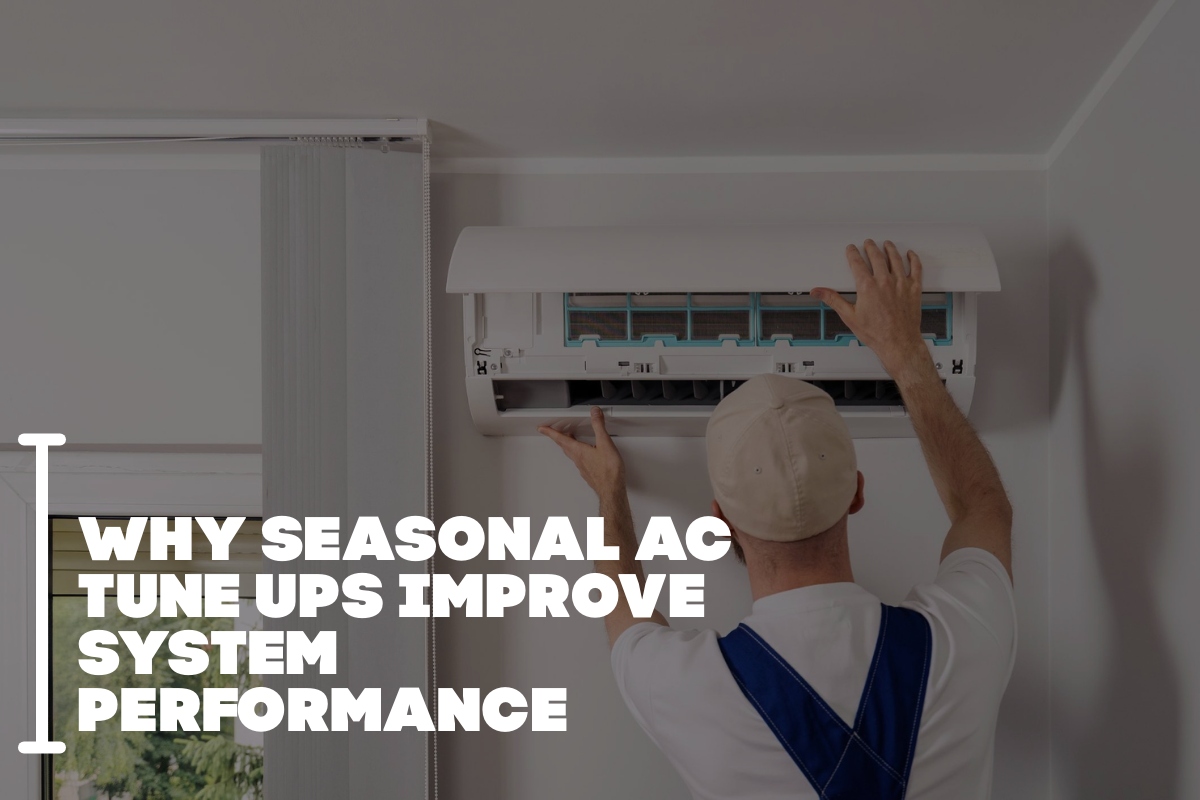
Seasonal AC tune-ups are typically scheduled before heavy usage begins. During this time, technicians inspect and adjust components to ensure the system is ready to handle sustained operation. Without preparation, small issues that developed during months of inactivity can quickly escalate once the system runs daily.
A tuned system cools more evenly, responds faster to thermostat settings, and maintains comfort without excessive cycling. This readiness is especially important during heat waves, when systems are under maximum strain.
Improving Energy Efficiency
One of the most noticeable benefits of an AC tune-up is improved energy efficiency. Over time, dirt and debris accumulate on coils, filters, and internal components. This buildup restricts airflow and heat transfer, forcing the system to work harder to achieve the same cooling result.
During a tune-up, cleaning and calibration restore proper airflow and thermal performance. When the system runs efficiently, it consumes less electricity, leading to lower energy bills and reduced environmental impact throughout the cooling season.
Reducing Wear and Tear on Components
Air conditioners rely on multiple moving and electrical parts, including motors, fans, capacitors, and compressors. When these components are dirty, misaligned, or under stress, wear increases rapidly.
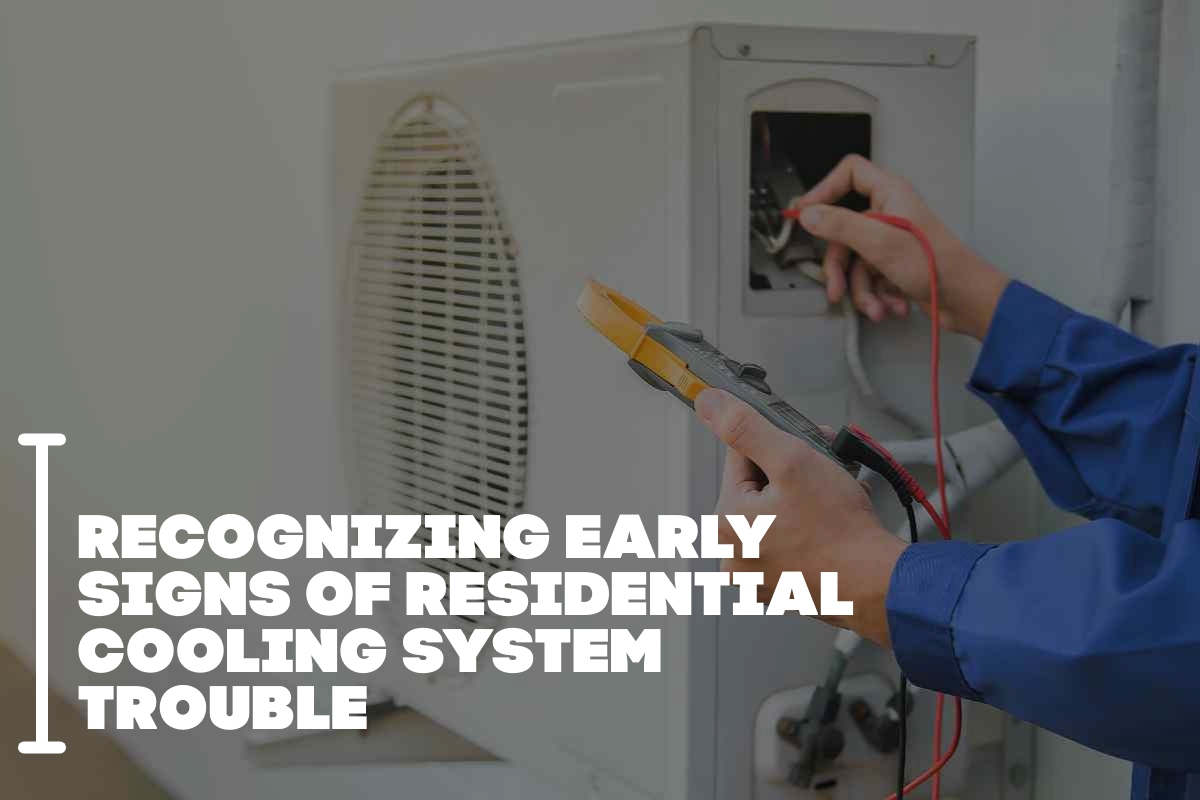
Seasonal tune-ups identify early signs of strain, such as loose connections, weak capacitors, or lubrication issues. Addressing these problems early reduces friction and overheating, helping components operate smoothly and last longer.
Enhancing Cooling Performance and Comfort
An AC system that has not been tuned may still run, but performance often declines gradually. Homeowners may notice uneven temperatures, longer cooling cycles, or difficulty maintaining set temperatures.
Tune-ups restore optimal system balance. Refrigerant levels are checked, thermostats are calibrated, and airflow is optimized. The result is more consistent cooling, improved humidity control, and a more comfortable indoor environment.
Preventing Unexpected Breakdowns
Many AC failures occur during the hottest days of the year, when systems are working hardest. Seasonal tune-ups significantly reduce the risk of these inconvenient and costly breakdowns.
Technicians can identify worn parts, electrical issues, or refrigerant leaks before they cause system failure. Preventive repairs made during a tune-up are typically less expensive and less disruptive than emergency service calls during peak season.
Supporting Better Indoor Air Quality
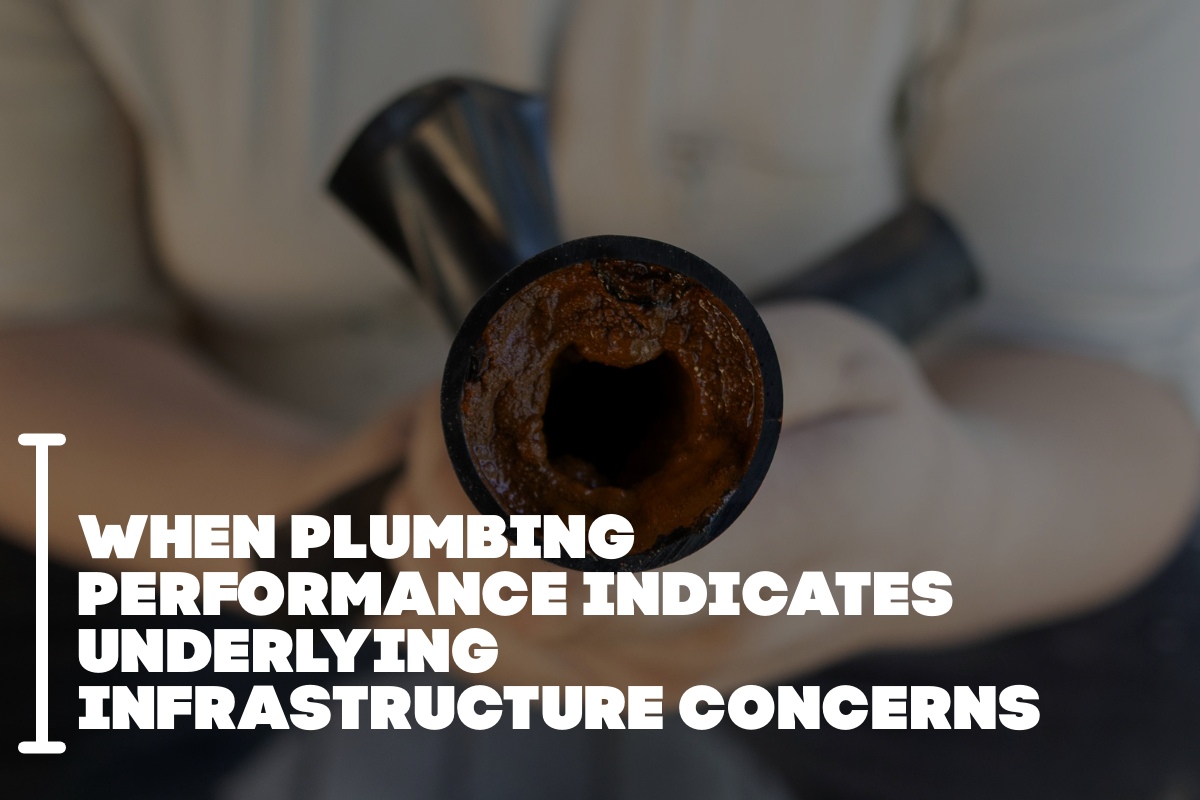
Air conditioning systems play a major role in circulating and filtering indoor air. Dirty filters, coils, or drain lines can contribute to poor air quality, excess dust, or moisture issues.
Seasonal tune-ups include filter checks and cleaning of components that affect air circulation. Cleaner systems help reduce allergens, improve airflow, and support healthier indoor air throughout the cooling season.
Extending Overall System Lifespan
AC systems are a significant investment, and their lifespan is closely tied to maintenance. Systems that receive regular tune-ups experience fewer major failures and operate under less stress year after year.
By maintaining proper operating conditions, tune-ups slow down age-related deterioration. This helps homeowners delay costly replacements and get the most value from their equipment.
Optimizing System Settings and Controls
Modern AC systems often include programmable or smart thermostats. During a tune-up, technicians ensure these controls are working correctly and aligned with homeowner preferences.
Proper settings prevent unnecessary runtime, reduce short cycling, and improve overall system coordination. Small adjustments can make a noticeable difference in performance and efficiency over the season.
Long-Term Cost Savings
While a seasonal tune-up has an upfront cost, it often leads to long-term savings. Improved efficiency lowers monthly utility bills, preventive maintenance reduces repair expenses, and extended system life delays replacement costs.
Over time, these combined benefits make regular tune-ups a cost-effective strategy for maintaining reliable and efficient cooling.
FAQs
How often should an AC system be tuned up?
Most systems benefit from a professional tune-up once a year, ideally before the cooling season begins.
Can a tune-up really lower energy bills?
Yes, cleaning and optimizing system components improves efficiency, which reduces energy consumption.
Is a tune-up necessary if the AC seems to work fine?
Yes, many performance issues develop gradually and are not obvious until efficiency drops or a breakdown occurs.
What happens during a seasonal AC tune-up?
A tune-up typically includes inspection, cleaning, testing, and adjustment of key components and controls.
Does regular maintenance extend AC system lifespan?
Yes, reducing wear and addressing small issues early helps systems last longer and perform more reliably.