Midwest summers are known for high humidity, fluctuating temperatures, and extended heat waves. These conditions place significant stress on residential cooling systems. Proper seasonal preparation ensures reliable performance, energy efficiency, and reduced risk of mid-season breakdowns. Homeowners who take preventive steps before peak heat arrives can avoid costly emergency repairs and maintain consistent indoor comfort.
Understanding Midwest Climate Challenges
The Midwest climate presents unique cooling demands:
- High humidity levels
- Sudden temperature spikes
- Severe thunderstorms
- Extended heat advisories
- Dust and pollen accumulation
These factors strain air conditioning systems, particularly older or poorly maintained units.
Pre-Season Inspection Checklist
A thorough inspection before summer begins can significantly improve system performance.
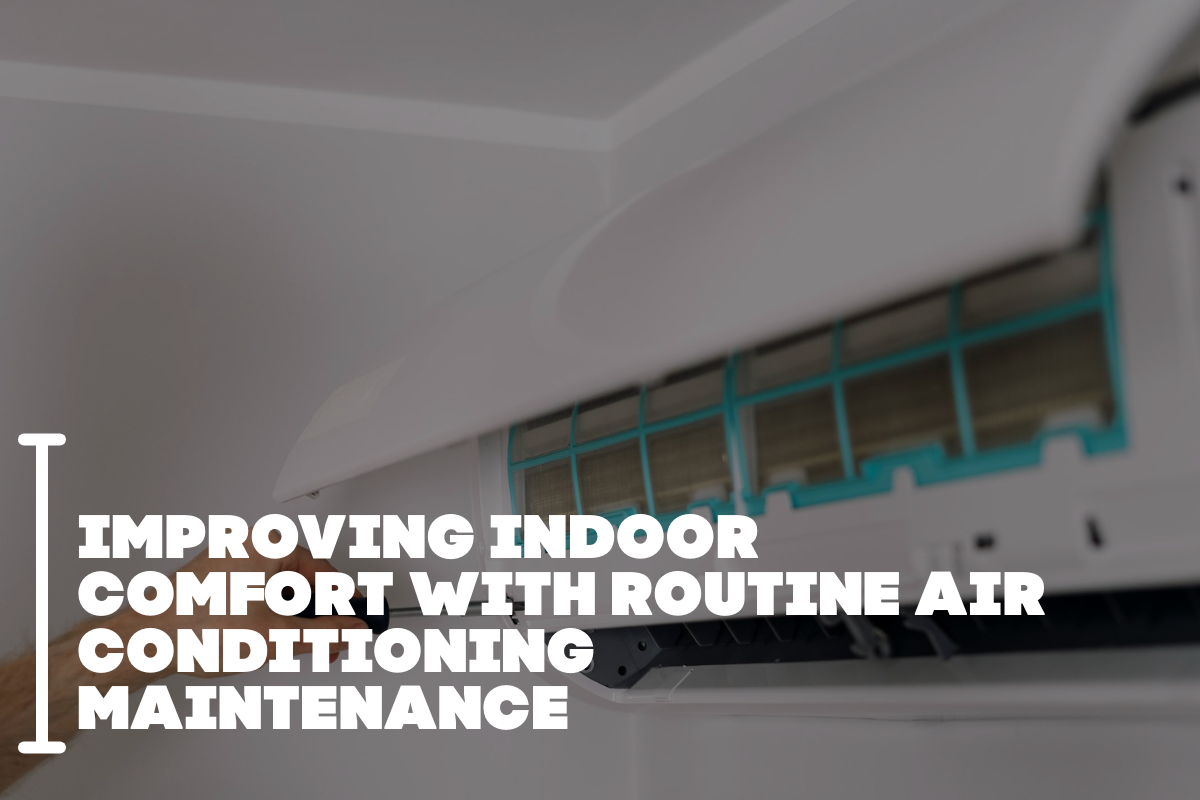
1. Replace or Clean Air Filters
Dirty filters restrict airflow and force the system to work harder. Replacing filters every 1–3 months improves:
- Cooling efficiency
- Indoor air quality
- System lifespan
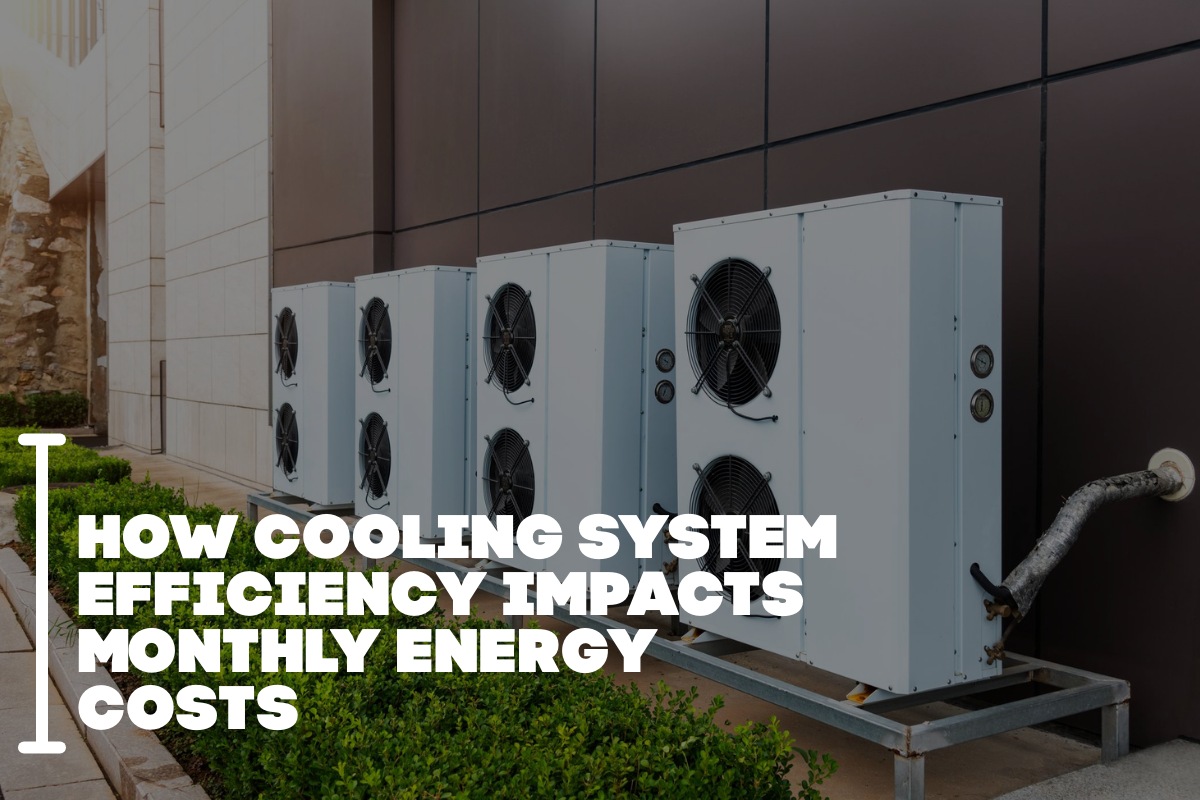
2. Clean the Outdoor Condenser Unit
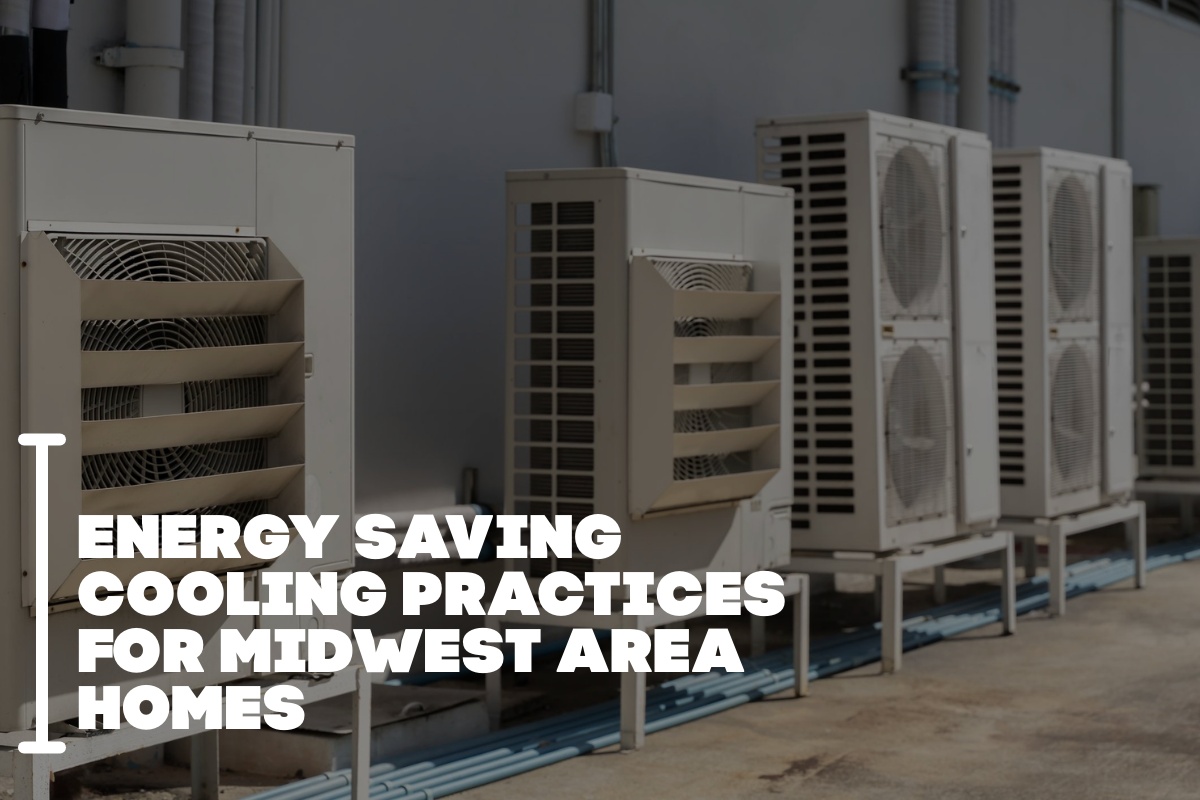
Remove debris, leaves, and dirt around the outdoor unit. Clean condenser coils to improve heat transfer and efficiency.
3. Check Thermostat Settings
Ensure the thermostat is functioning accurately. Consider upgrading to a smart thermostat for better temperature control and energy savings.
Evaluate Refrigerant Levels
Low refrigerant levels reduce cooling performance and may indicate leaks. Only licensed HVAC professionals should inspect and recharge refrigerant.
Signs of refrigerant issues include:
- Warm air blowing from vents
- Ice buildup on coils
- Hissing or bubbling noises
Prompt attention prevents compressor damage.
Inspect Ductwork and Airflow
Leaky or poorly insulated ducts waste cooled air. Homeowners should:
- Check for visible duct damage
- Ensure vents are unobstructed
- Seal leaks with professional-grade materials
Proper airflow ensures even cooling throughout the home.
Address Humidity Control
Midwest summers often bring high humidity, which makes indoor spaces feel warmer than they are. Cooling systems must manage both temperature and moisture.
Ways to improve humidity control:
- Install whole-home dehumidifiers
- Ensure proper AC sizing
- Maintain clean evaporator coils
- Use exhaust fans in kitchens and bathrooms
Effective humidity management enhances comfort and reduces mold risk.
Preventive Maintenance vs. Emergency Repairs
| Maintenance Approach | Preventive Preparation | Reactive Repairs |
|---|---|---|
| System Reliability | High | Uncertain |
| Energy Efficiency | Optimized | Reduced |
| Repair Costs | Lower long-term expense | Higher emergency charges |
| Comfort Consistency | Stable indoor temperature | Sudden breakdowns |
| Equipment Lifespan | Extended | Shortened |
Routine preparation significantly reduces mid-summer service calls.
Upgrade Considerations for Older Systems
If your system is over 10–15 years old, it may struggle during extreme Midwest heat.
Consider:
- High-efficiency AC replacements
- Variable-speed compressors
- Zoning systems
- Improved insulation upgrades
Modern systems handle humidity and temperature fluctuations more effectively.
Protect Against Storm Damage
Midwest storms can damage outdoor units through debris impact or power surges.
Protective steps include:
- Installing surge protectors
- Clearing surrounding vegetation
- Securing unit covers during severe weather
- Inspecting for damage after storms
Preparedness reduces downtime after extreme weather events.
Schedule Professional HVAC Tune-Ups
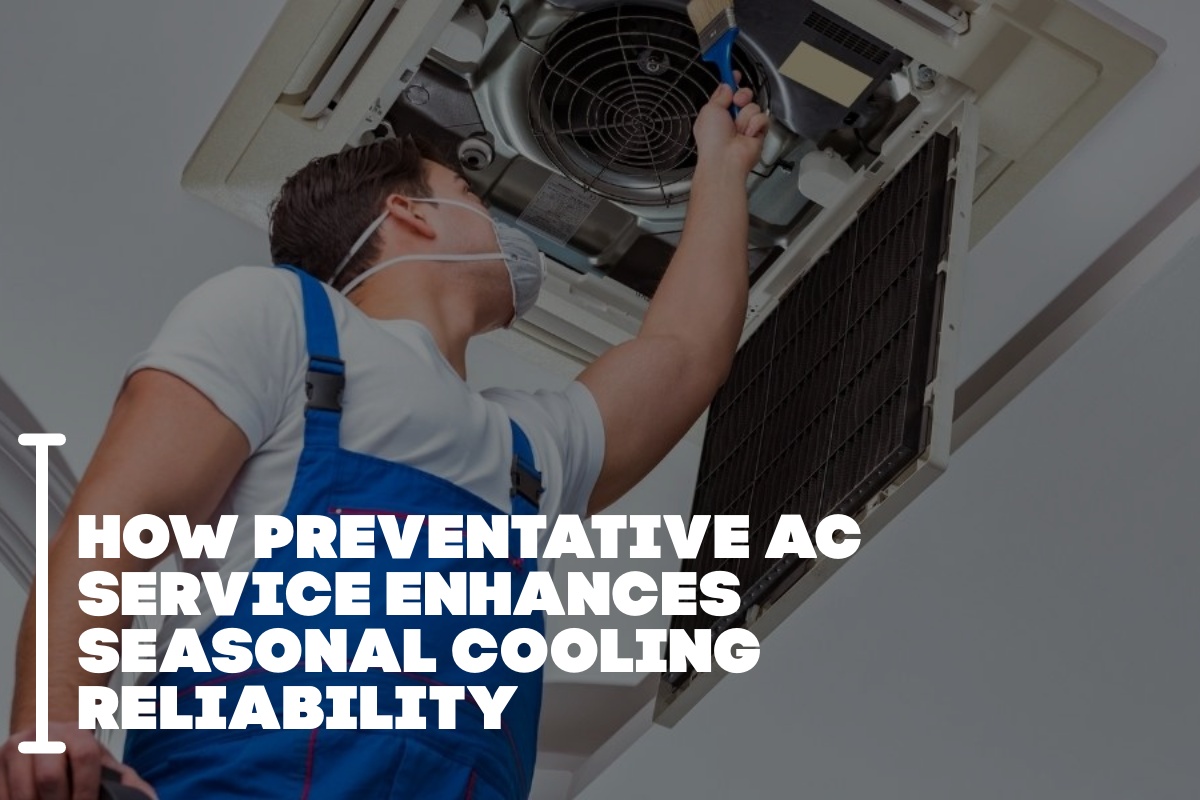
An annual professional inspection is highly recommended before summer begins. HVAC technicians typically:
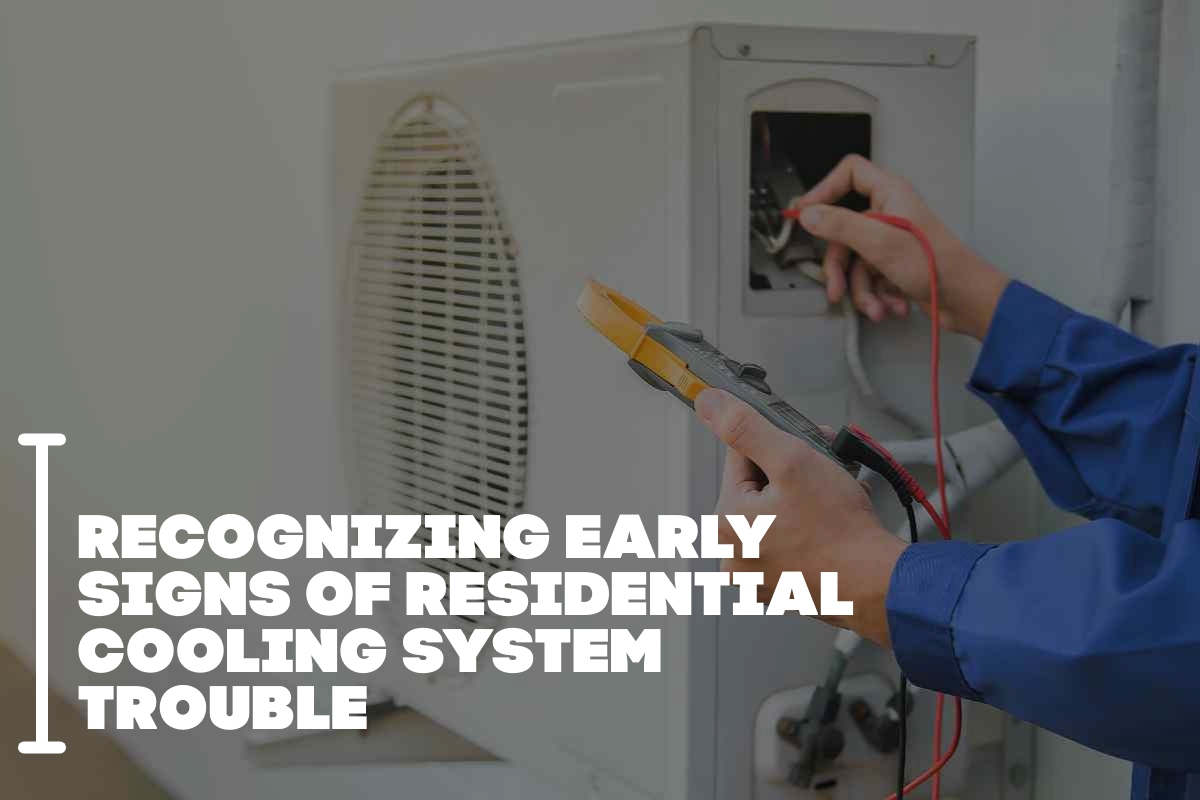
- Check electrical connections
- Lubricate moving parts
- Test system efficiency
- Calibrate thermostats
- Identify early warning signs
Professional servicing ensures peak performance.
Energy Efficiency Tips for Summer Savings
To reduce energy costs during demanding summers:
- Keep blinds closed during peak sunlight
- Use ceiling fans to circulate cool air
- Set thermostats to consistent, moderate temperatures
- Avoid frequent temperature adjustments
Small adjustments can lead to noticeable energy savings.
FAQs
1. When should I prepare my cooling system for summer?
Ideally, schedule inspections and maintenance in early spring before peak heat arrives.
2. How often should AC filters be replaced during summer?
Every 1–3 months, depending on usage and indoor air conditions.
3. Why does humidity make my home feel hotter?
High humidity reduces the body’s ability to cool itself through evaporation, increasing perceived heat.
4. Is professional maintenance necessary every year?
Yes, annual tune-ups improve efficiency and help prevent costly breakdowns.
5. Can storms damage my air conditioning system?
Yes, debris and power surges can damage outdoor units, so protective measures are recommended.