As summer temperatures rise, your air conditioner becomes one of the most essential systems in your home. Prolonged heatwaves and high humidity place heavy demands on cooling equipment, increasing the risk of breakdowns and reduced efficiency.
Preparing your air conditioner before peak summer conditions ensures reliable performance, lower energy costs, and improved indoor comfort. Preventative preparation not only protects your system but also helps you avoid inconvenient mid-season repairs.
Why Summer Puts Extra Stress on AC Systems
During extreme heat, air conditioners run longer cycles to maintain indoor temperatures. Continuous operation increases wear on compressors, fans, coils, and electrical components.
Common Summer AC Challenges
| Challenge | Cause | Result |
|---|---|---|
| Overheating | Continuous operation | System shutdown |
| Refrigerant Loss | Leaks or low charge | Reduced cooling |
| Dirty Coils | Dust buildup | Lower efficiency |
| Clogged Filters | Poor maintenance | Restricted airflow |
| Electrical Strain | High power demand | Component failure |
Addressing these risks before summer begins reduces system strain.
Replace or Clean Air Filters
Air filters trap dust, pollen, and debris. Over time, clogged filters restrict airflow, forcing your system to work harder.
Best practices:
- Replace disposable filters every 1–3 months
- Clean reusable filters regularly
- Check filters more often during peak usage
- Use filters with appropriate MERV ratings
Improved airflow increases efficiency and reduces compressor stress.
Clean the Outdoor Condenser Unit
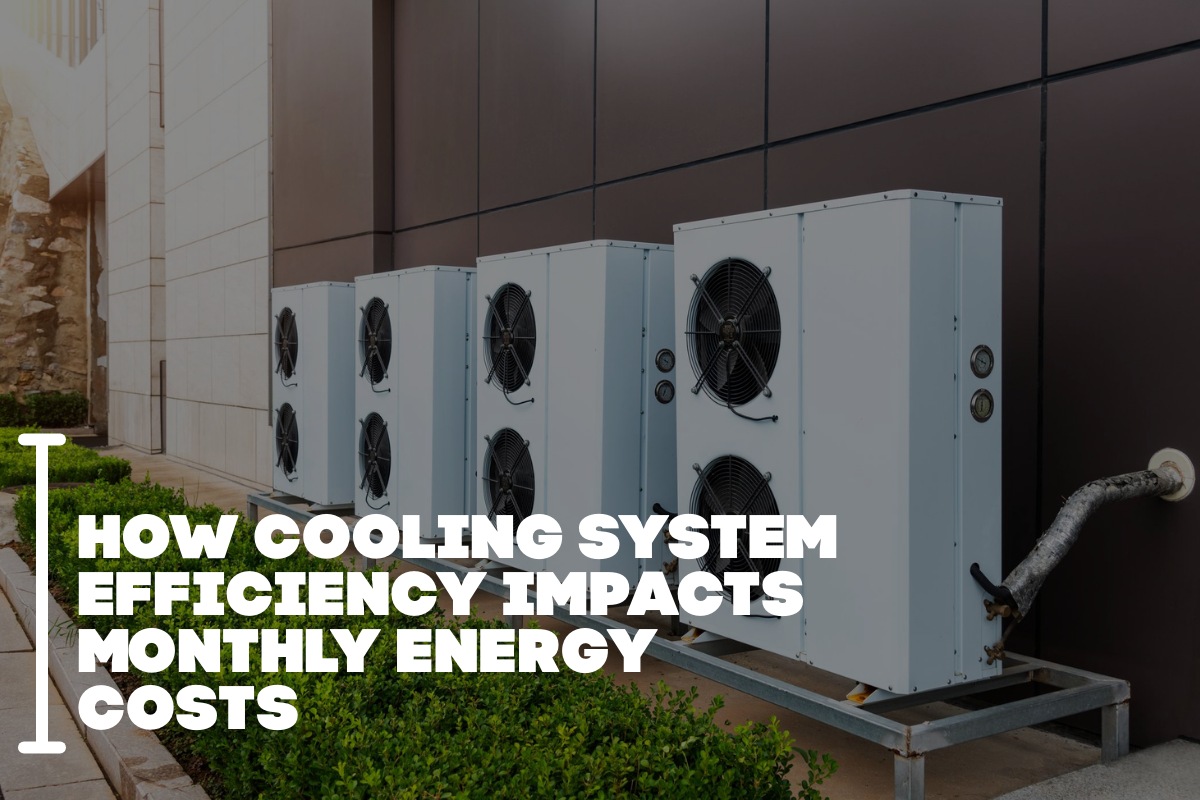
The outdoor condenser unit releases heat from your home. If blocked by dirt, leaves, or debris, it cannot function efficiently.
Outdoor Unit Maintenance Checklist
| Task | Purpose |
|---|---|
| Remove debris around unit | Improve airflow |
| Trim nearby vegetation | Prevent blockage |
| Gently clean condenser coils | Enhance heat exchange |
| Check for visible damage | Identify early issues |
Ensure at least two feet of clearance around the unit for proper ventilation.
Inspect and Clean Evaporator Coils
Evaporator coils absorb heat from indoor air. Dust accumulation reduces cooling efficiency.
Benefits of coil cleaning:
- Better temperature control
- Lower energy bills
- Reduced system strain
- Improved humidity management
Professional cleaning ensures deep removal of buildup without damaging components.
Check Refrigerant Levels
Low refrigerant reduces cooling capacity and forces the system to run longer cycles. Signs of low refrigerant include:
- Warm air from vents
- Ice buildup on coils
- Hissing sounds
- Increased energy usage
Only licensed HVAC professionals should handle refrigerant inspections and refills.
Test the Thermostat
An improperly calibrated thermostat can cause inconsistent cooling or unnecessary system cycling.
Steps to ensure proper operation:
- Replace batteries if needed
- Verify temperature accuracy
- Consider upgrading to a programmable or smart thermostat
- Set efficient cooling schedules
Smart thermostats help manage energy use during high-demand periods.
Inspect Electrical Components
Summer heat can strain electrical connections and capacitors. Faulty wiring increases the risk of breakdowns.
Professional inspections often include:
- Checking capacitor performance
- Tightening electrical connections
- Inspecting contactors
- Testing voltage levels
Preventative electrical checks reduce unexpected failures.
Ensure Proper Drainage
Air conditioners remove humidity from indoor air. The condensate drain line must remain clear to prevent water damage.
Drain Line Maintenance
| Maintenance Task | Benefit |
|---|---|
| Clear blockages | Prevent water overflow |
| Flush drain line | Reduce mold growth |
| Inspect drain pan | Avoid leaks |
Blocked drainage can cause water damage and reduce cooling efficiency.
Improve Home Insulation and Sealing
Even a well-maintained air conditioner struggles in poorly insulated homes. Preparing your home supports your cooling system.
Helpful actions:
- Seal air leaks around windows and doors
- Use blackout curtains during peak sunlight
- Add attic insulation
- Install ceiling fans to circulate cool air
Reducing heat gain minimizes system workload.
Schedule Professional Maintenance
Annual HVAC servicing ensures comprehensive system evaluation. Professional technicians identify potential issues before they escalate.
Maintenance typically includes:
- Full system inspection
- Cleaning internal components
- Lubricating moving parts
- Testing cooling performance
- Safety checks
Professional servicing is one of the most effective ways to prevent summer emergencies.
Signs Your AC Needs Immediate Attention
Watch for warning signs such as:
- Weak airflow
- Loud or unusual noises
- Frequent cycling
- Uneven cooling
- Rising energy bills
Addressing problems early prevents complete system failure during extreme heat.
Preparing your air conditioner for demanding summer temperatures is essential for maintaining comfort, efficiency, and reliability. By replacing filters, cleaning coils, checking refrigerant levels, inspecting electrical components, and scheduling professional maintenance, you can significantly reduce the risk of breakdowns.
A well-prepared AC system operates more efficiently, lowers energy costs, and ensures consistent cooling even during intense heatwaves. Proactive maintenance transforms summer cooling from a concern into a dependable comfort solution.
FAQs
1. How often should I service my air conditioner?
At least once per year, ideally before the start of summer.
2. Why is my AC running but not cooling properly?
Common causes include dirty filters, low refrigerant, or blocked condenser coils.
3. Can I clean the outdoor unit myself?
Yes, you can remove debris and gently clean coils, but deep maintenance should be done by a professional.
4. Does replacing air filters really improve performance?
Yes, clean filters improve airflow and reduce system strain.
5. Should I cover my AC unit during summer?
No, covering the unit during operation can restrict airflow and cause overheating.