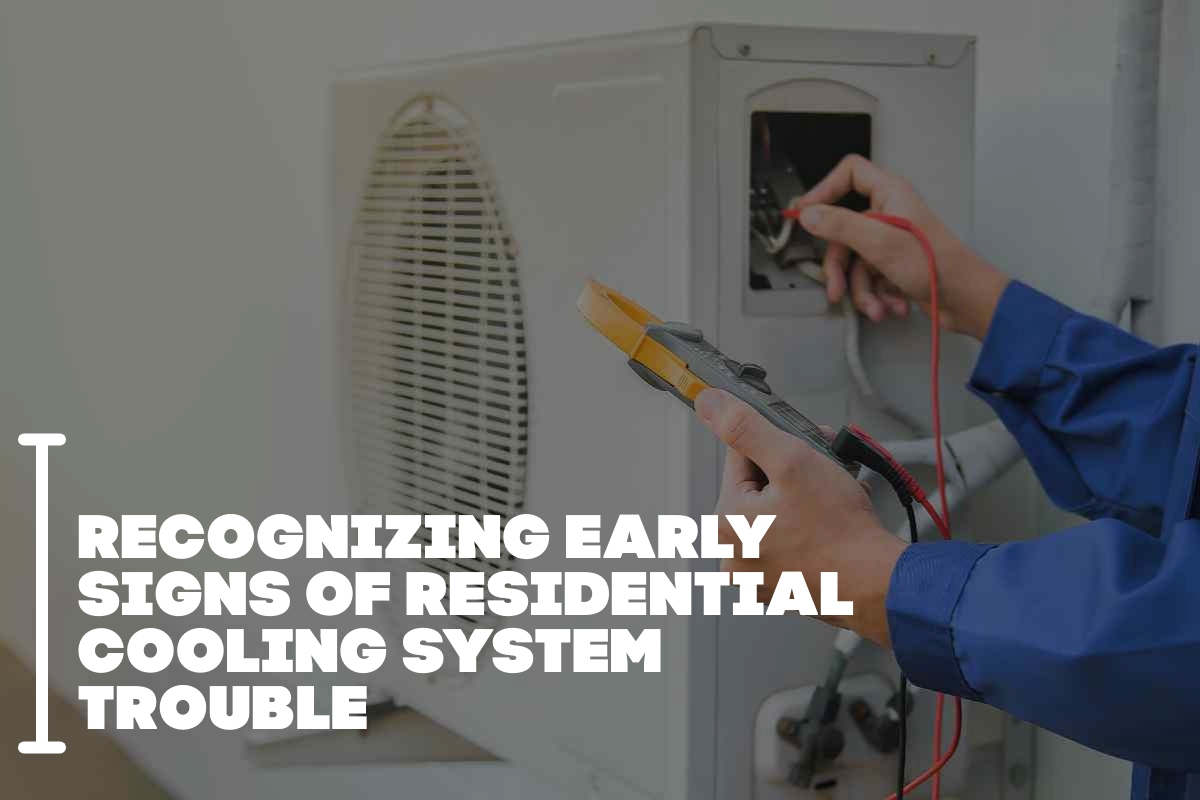
Spotting issues in your home AC early can prevent costly breakdowns during peak heat. Residential cooling systems show clear warning signals before failing completely, allowing timely intervention. Acting on these cues ensures reliable performance, especially in hot climates like India’s summers.
Common Airflow Problems
Weak or warm air from vents is a top indicator of trouble. This often stems from clogged filters or low refrigerant, reducing cooling capacity by 20-30%.
Key signs:
- Reduced airflow: Feels like a gentle breeze instead of strong cooling.
- Warm exhaust: Air at room temperature signals compressor strain or leaks.
- Uneven distribution: Some rooms stay hot while others cool.
Ignoring these forces the unit to overwork, accelerating wear.
Temperature Inconsistencies
Your AC should maintain steady temperatures, but fluctuations point to deeper issues. Inconsistent cooling across zones often links to duct leaks or thermostat faults.
Trouble Indicators Table:
Address within days to avoid efficiency drops of 15-25%.
Unusual Noises and Odors
Strange sounds or smells signal mechanical distress. Grinding or banging noises indicate loose parts or fan problems, while musty odors suggest mold in coils.
Listen for:
- Rattling: Loose panels or debris in the unit.
- Hissing: Refrigerant leaks, requiring immediate pro attention.
- Burning smell: Electrical faults risking fire hazards.
- Squealing: Belt or motor wear in older systems.
Early detection prevents 50% of major repairs.
Rising Energy Bills and Moisture Issues
Unexpected bill spikes without usage changes mean inefficiency. A failing AC consumes 20% more power as components degrade.
Watch for:
- Water leaks: Clogged drains cause indoor flooding and mold.
- Frozen coils: Low refrigerant or airflow blockage—turn off unit immediately.
- High humidity: Poor dehumidification leads to sticky air.
Leak Impact Table:
Electrical and Performance Warnings
Frequent breaker trips or failure to start highlight wiring problems. These strain the system, common in units over 10 years old.
Performance red flags:
- Thermostat inaccuracies: Doesn’t respond to settings.
- Outdoor unit struggles: Fan not spinning freely or iced over.
- Age factor: Units over 15 years show multiple signs combined.
What to Do Next
Monitor weekly during heavy use. Replace filters monthly, clear debris around units, and schedule annual tune-ups.
Immediate steps:
- Check thermostat batteries and settings.
- Inspect filters—dirty ones cause 80% of early issues.
- Call pros for refrigerant, electrical, or noise problems.
- Use a hygrometer to track humidity spikes.
Catching these early saves ₹10,000-50,000 in repairs versus full replacement.
FAQs
Q. What causes warm air from my AC vents?
Low refrigerant, dirty coils, or compressor issues—check filters first.
Q. Why is my AC short cycling?
Oversized units, low refrigerant, or airflow restrictions prompt frequent on/off.
Q. How do frozen coils happen?
Restricted airflow from dirty filters or low refrigerant levels.
Q. Can I ignore minor noises?
No, they worsen quickly into part failures—inspect promptly.
Q. When to replace vs. repair?
If over 12 years old with multiple signs, replacement often costs less long-term.