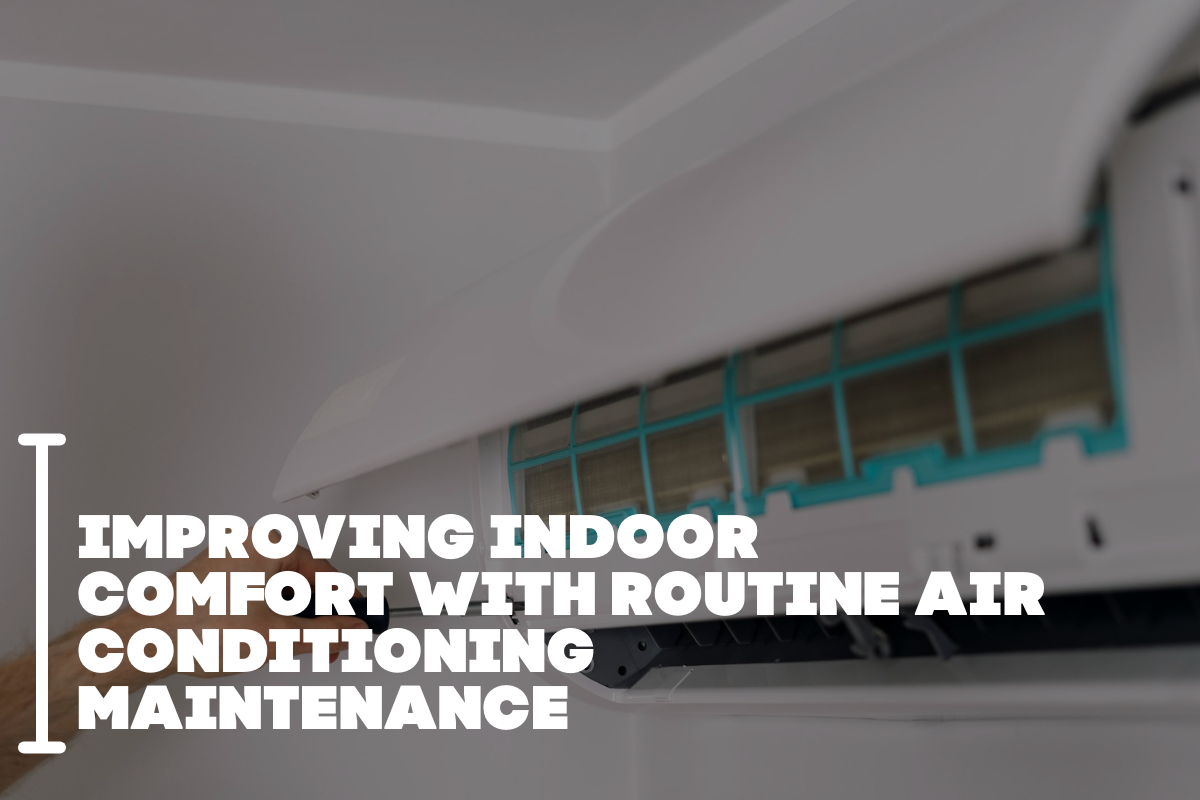
Indoor comfort depends heavily on the performance of your air conditioning system. When temperatures rise, a well-maintained AC unit keeps your living environment cool, balanced, and healthy.
However, without routine maintenance, even the most advanced systems can lose efficiency, struggle to regulate temperature, and increase energy costs. Consistent air conditioning maintenance not only enhances comfort but also protects your investment and ensures reliable long-term performance.
Why Routine Maintenance Matters
Air conditioning systems operate through a complex interaction of filters, coils, refrigerant lines, electrical components, and airflow systems. Over time, dust buildup, worn parts, and minor inefficiencies can compromise performance. Routine inspections and servicing help detect these issues early, preventing unexpected breakdowns and uncomfortable indoor conditions.
Key benefits of regular maintenance include:
- Consistent indoor temperatures
- Improved airflow throughout the home
- Lower energy consumption
- Reduced humidity levels
- Fewer emergency repairs
A proactive approach ensures your system performs efficiently during peak seasons.
Improved Airflow and Temperature Consistency
Restricted airflow is one of the most common causes of uneven cooling. Dirty air filters, blocked vents, and dusty evaporator coils can limit circulation, leading to hot and cold spots within the home.
Routine maintenance addresses:
- Clogged air filters
- Debris in ductwork
- Dirty evaporator and condenser coils
- Malfunctioning blower motors
When airflow improves, the system distributes cooled air evenly, creating a more comfortable and stable indoor environment.
Enhanced Energy Efficiency
An air conditioning unit that works harder than necessary consumes more electricity. Over time, minor inefficiencies compound, increasing monthly utility bills.
Common Efficiency Issues and Their Impact
| Maintenance Issue | Effect on Comfort | Financial Impact |
|---|---|---|
| Dirty air filters | Reduced airflow | Higher energy costs |
| Low refrigerant levels | Poor cooling performance | Compressor strain |
| Frozen evaporator coils | Inconsistent temperatures | Costly repairs |
| Faulty thermostat | Uneven temperature control | Energy waste |
Routine servicing restores optimal efficiency, helping homeowners save money while maintaining ideal indoor temperatures.
Better Indoor Air Quality
Air conditioners do more than cool the air—they also filter and dehumidify it. Without regular cleaning, dust, pollen, and mold spores can circulate throughout the home.
Maintenance helps:
- Remove accumulated debris from filters
- Prevent mold growth in coils and drain lines
- Maintain proper humidity levels
- Reduce allergens in the air
Improved air quality contributes to better respiratory health and overall comfort, particularly for individuals with allergies or asthma.
Humidity Control and Moisture Prevention
Excess humidity makes indoor spaces feel warmer and uncomfortable, even when the thermostat is set low. A properly maintained air conditioner regulates moisture levels effectively.
When components such as condensate drains become clogged, moisture can accumulate, leading to:
- Damp odors
- Mold and mildew growth
- Warped wood flooring
- Wall and ceiling stains
Routine inspections ensure drainage systems function correctly, preserving both comfort and structural integrity.
Extended System Lifespan
Air conditioning systems represent a significant financial investment. Without maintenance, wear and tear accelerate, shortening the unit’s operational life.
Preventive servicing helps:
- Reduce mechanical strain
- Protect the compressor from damage
- Keep electrical components functioning properly
- Identify worn parts before failure
A well-maintained AC system can last several years longer than a neglected one, maximizing return on investment.
Preventing Costly Emergency Repairs
Unexpected breakdowns often occur during peak heat when systems are under maximum strain. Regular maintenance reduces the likelihood of sudden failures by identifying early warning signs such as refrigerant leaks, loose wiring, or worn belts.
Proactive care offers:
- Greater system reliability
- Reduced risk of mid-season breakdowns
- Lower long-term repair expenses
- Consistent home comfort
By scheduling annual or biannual inspections, homeowners minimize disruptions during extreme weather.
Practical Maintenance Steps for Homeowners
While professional servicing is essential, homeowners can take simple steps to support system performance:
- Replace air filters every 1–3 months
- Keep outdoor condenser units clear of debris
- Ensure vents are unobstructed
- Monitor thermostat accuracy
- Schedule professional inspections annually
These small actions contribute significantly to long-term efficiency and comfort.
Routine air conditioning maintenance is fundamental to maintaining indoor comfort, energy efficiency, and healthy air quality. By addressing minor issues before they escalate, homeowners can enjoy consistent cooling, lower utility bills, and extended system lifespan. Regular servicing ensures that your air conditioning system performs reliably when you need it most, transforming your home into a comfortable refuge regardless of outdoor temperatures.
FAQs
How often should air conditioning systems be serviced?
It is recommended to schedule professional maintenance at least once a year, ideally before the cooling season begins.
Can regular maintenance reduce energy bills?
Yes. Cleaning and tuning the system improves efficiency, reducing overall energy consumption and monthly costs.
Why is my AC running but not cooling effectively?
Possible causes include low refrigerant levels, dirty coils, or restricted airflow due to clogged filters.
Does AC maintenance improve indoor air quality?
Absolutely. Clean filters and coils help remove dust, allergens, and pollutants from the air.
Is replacing air filters really necessary?
Yes. Dirty filters restrict airflow, strain the system, and reduce both comfort and efficiency.