Cooling homes efficiently in the Midwest requires a balanced approach. With hot, humid summers and fluctuating temperatures, homeowners must manage both heat and moisture while keeping energy costs under control.
States such as Illinois, Ohio, Michigan, Indiana, and Wisconsin experience seasonal extremes that place significant strain on cooling systems. By adopting strategic, energy-saving practices, Midwest homeowners can maintain indoor comfort without excessive utility expenses.
Optimize Air Conditioning Efficiency
Air conditioning systems account for a large portion of summer energy use. Improving efficiency begins with proper maintenance and smart operation.
Key Efficiency Practices
- Replace air filters every 1–3 months
- Schedule annual HVAC inspections
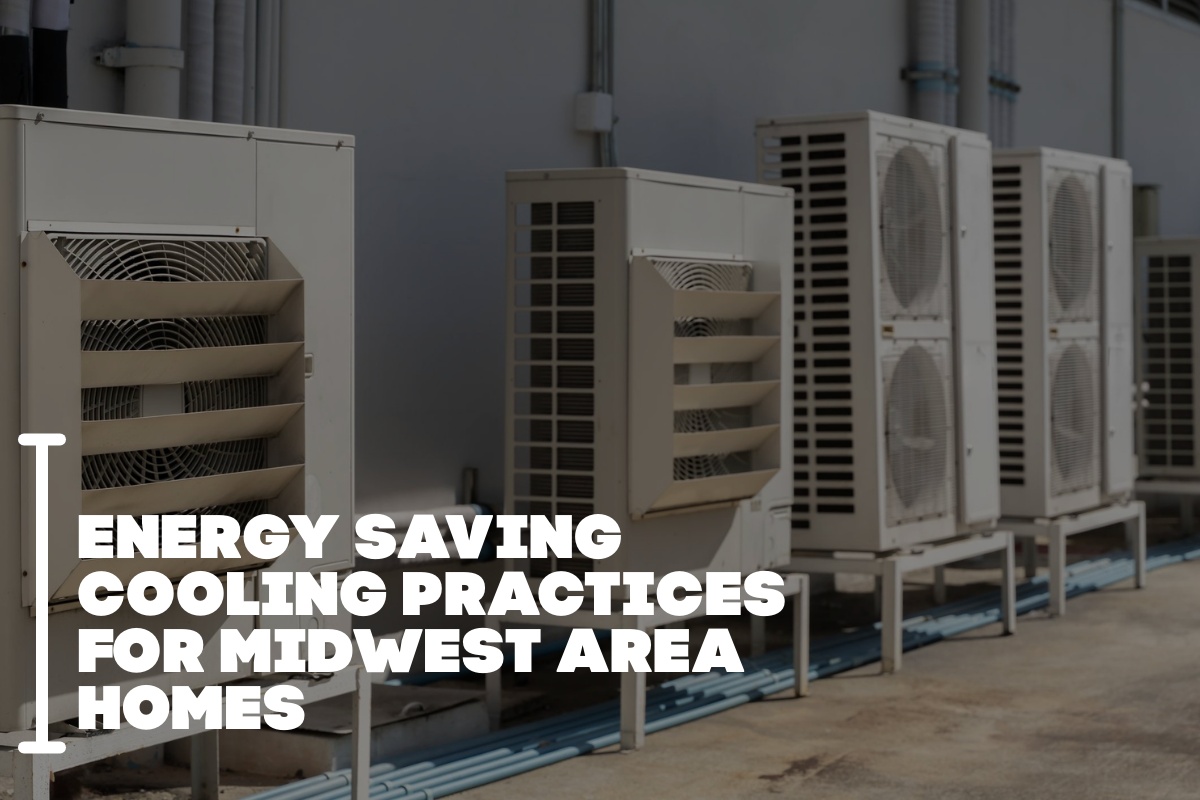
- Clean debris around outdoor condenser units
- Seal duct leaks to prevent air loss
- Install programmable or smart thermostats
Setting the thermostat between 74°F and 78°F when home can significantly reduce energy use while maintaining comfort.
Cooling System Efficiency Comparison
| Practice | Energy Savings Potential | Comfort Impact |
|---|---|---|
| Smart thermostat installation | 8–12% annually | Consistent cooling |
| Regular filter replacement | 5–15% improvement | Improved airflow |
| Sealed ductwork | Up to 20% reduction | Even temperature distribution |
| Annual professional tune-up | 10–20% efficiency gain | Reliable operation |
Consistent maintenance ensures systems operate at peak performance during Midwest heat waves.
Improve Home Insulation and Air Sealing
Proper insulation and air sealing prevent cool air from escaping and hot air from entering. In older Midwest homes, insufficient insulation is a common contributor to high cooling costs.
Focus Areas for Insulation
- Attics and roof spaces
- Basement rim joists
- Window and door frames
- Garage walls connected to living spaces
Sealing gaps with caulk or weatherstripping reduces drafts and minimizes AC workload.
Manage Humidity Levels
Midwest summers often bring high humidity, which makes indoor spaces feel warmer than the actual temperature. Dehumidification reduces the need to overcool.
Energy-saving humidity strategies include:
- Using energy-efficient dehumidifiers
- Running bathroom and kitchen exhaust fans
- Ensuring AC systems drain properly
- Avoiding excessive indoor moisture from cooking or laundry
Lower humidity improves comfort at higher thermostat settings, reducing energy consumption.
Utilize Natural Cooling Techniques
Natural cooling methods reduce reliance on air conditioning.
Practical Natural Cooling Methods
- Close blinds and curtains during peak sunlight hours
- Install blackout or thermal curtains
- Use ceiling fans to circulate cool air
- Plant shade trees on south- and west-facing sides
- Open windows during cooler evening temperatures
Ceiling fans create a wind-chill effect, allowing homeowners to raise the thermostat by several degrees without sacrificing comfort.
Upgrade to Energy-Efficient Equipment
Older air conditioning units often operate at lower efficiency ratings. Modern systems with higher SEER (Seasonal Energy Efficiency Ratio) ratings consume significantly less electricity.
Consider upgrading:
- AC units over 10–15 years old
- Single-speed systems to variable-speed models
- Manual thermostats to smart systems
Energy-efficient upgrades provide long-term savings and better climate control.
Reduce Internal Heat Gain
Household activities can contribute to indoor heat buildup.
Ways to minimize internal heat include:
- Using LED lighting instead of incandescent bulbs
- Cooking outdoors or using microwaves during peak heat
- Running dishwashers and dryers at night
- Turning off unused electronics
Reducing internal heat lessens the cooling demand placed on AC systems.
Schedule Energy Audits
Professional home energy audits identify inefficiencies specific to Midwest homes. Technicians use tools like blower door tests and thermal imaging to pinpoint air leaks and insulation gaps.
Benefits of energy audits:
- Targeted efficiency improvements
- Customized cooling recommendations
- Long-term cost savings
- Improved indoor comfort
An audit provides actionable steps tailored to regional climate conditions.
FAQs
What is the ideal thermostat setting for Midwest summers?
A setting between 74°F and 78°F balances comfort and energy efficiency, especially when combined with ceiling fan use.
How does humidity affect cooling costs?
High humidity makes indoor air feel warmer, causing homeowners to lower thermostat settings and increase energy usage.
Are smart thermostats worth the investment?
Yes. Smart thermostats can reduce cooling costs by automatically adjusting temperatures based on occupancy and schedules.
Can insulation really lower summer cooling bills?
Absolutely. Proper insulation reduces heat gain, decreasing the workload on air conditioning systems.
How often should HVAC systems be serviced in the Midwest?
At least once per year before summer to ensure optimal performance during peak cooling months.