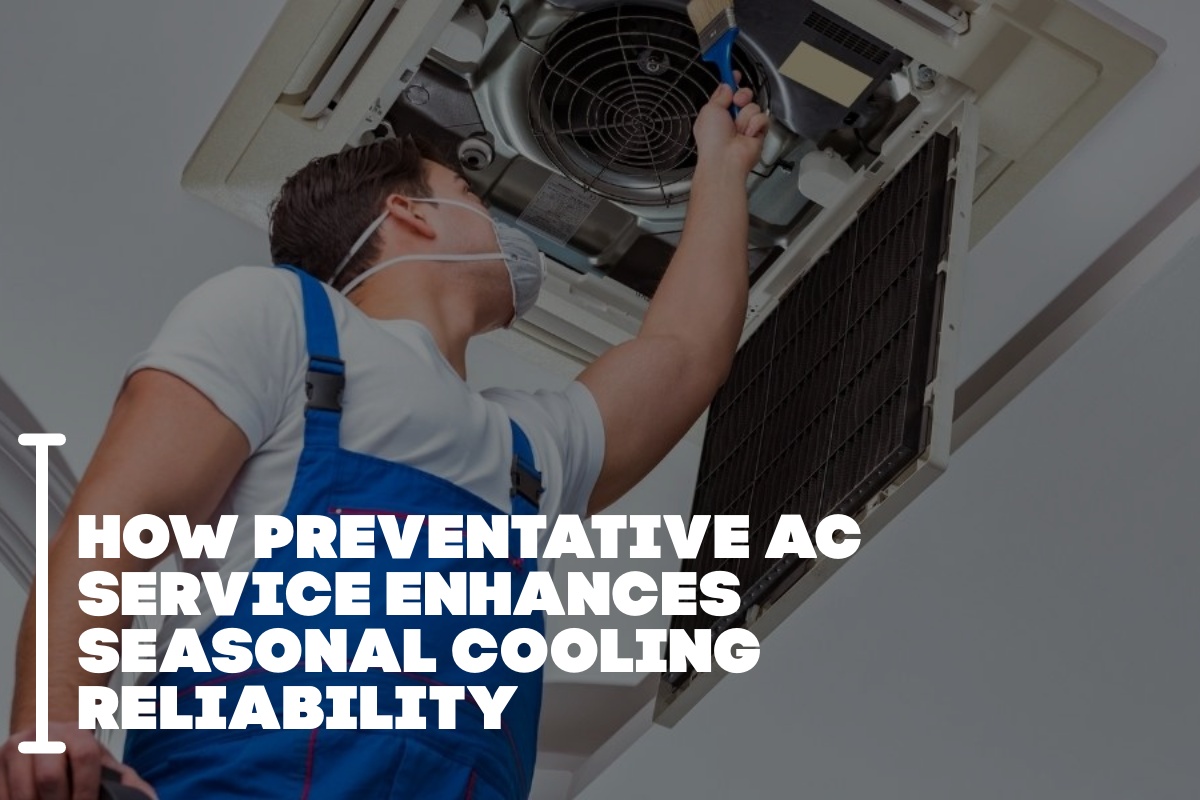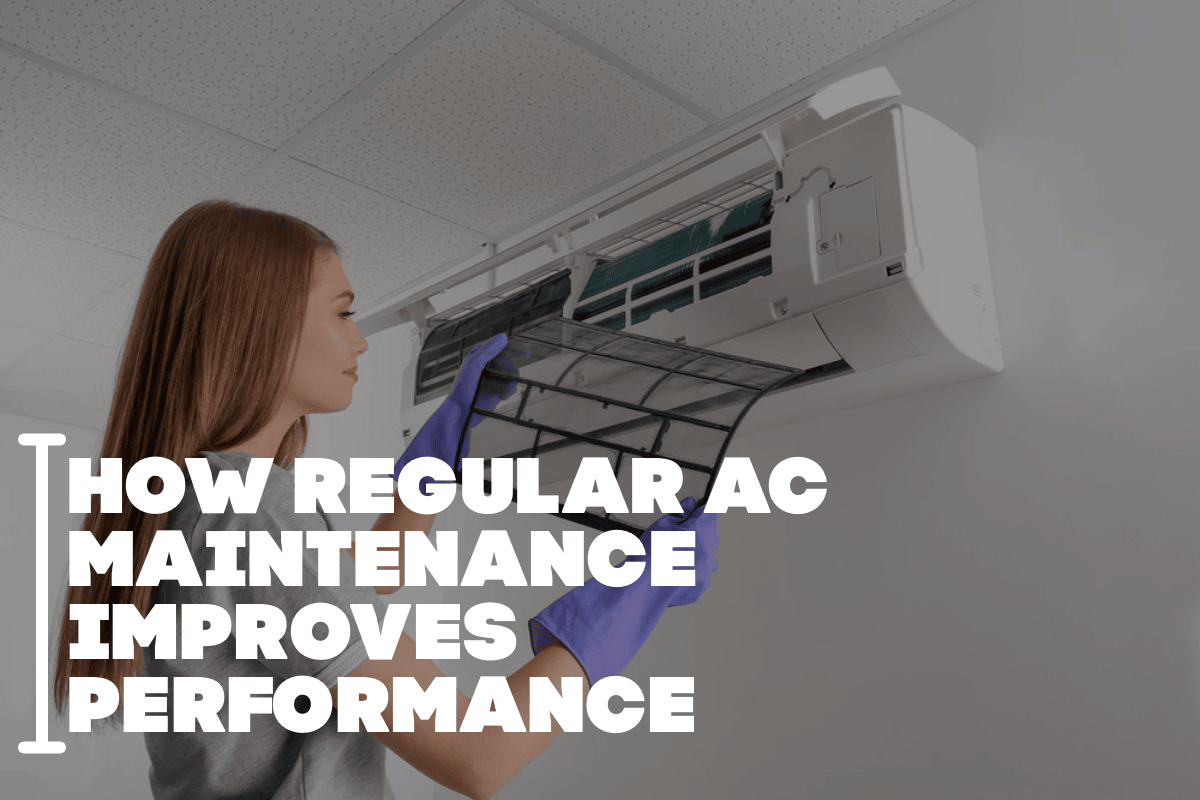
Regular AC maintenance optimizes cooling efficiency, extends system life, and reduces energy costs by cleaning components and preventing breakdowns. Professionals handle tune-ups twice yearly, ensuring peak operation during hot seasons.
Boosts Energy Efficiency
Dirty filters and coils force ACs to work harder, dropping efficiency by 20-30%; cleaning restores airflow, cutting bills by 15%. Straightening fins and refrigerant checks maintain optimal SEER ratings.
Prevents Costly Breakdowns
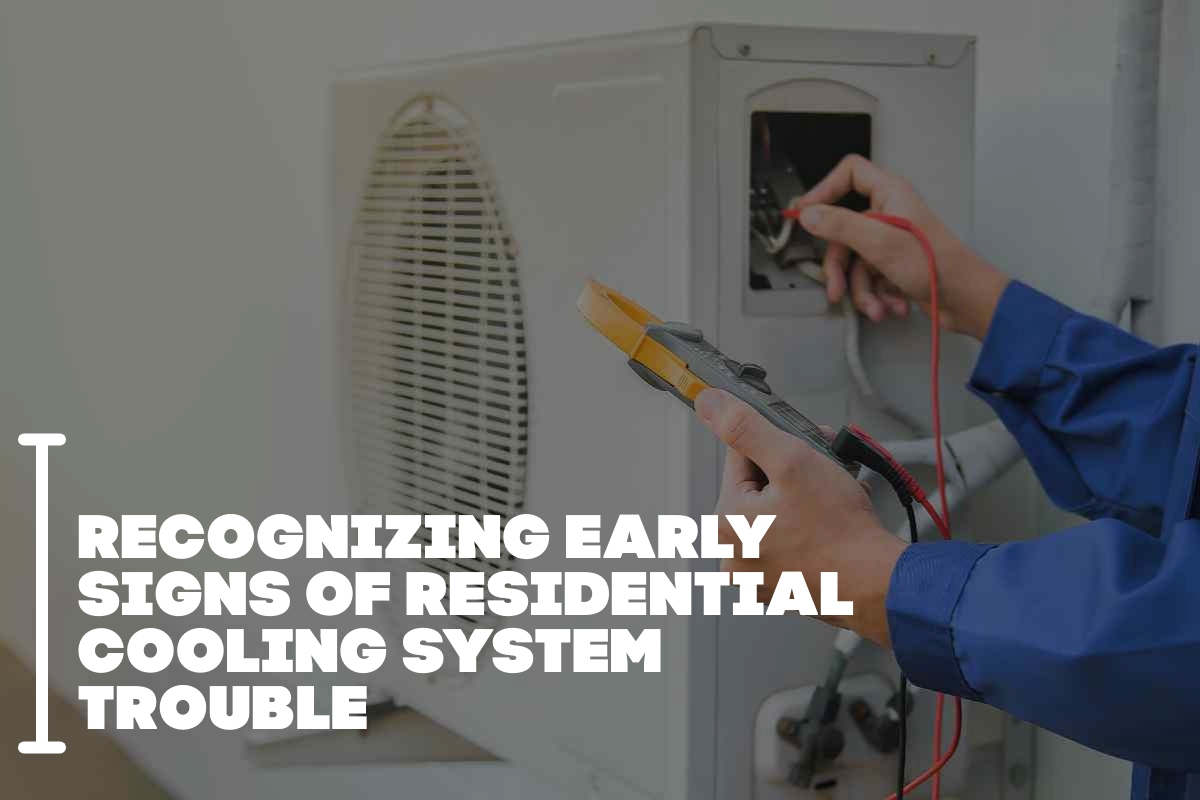
Annual servicing spots worn belts, capacitors, or leaks early, avoiding 80% of emergency repairs that cost $500+. Proactive care keeps units running smoothly without summer failures.
Improves Cooling Capacity
Clogged evaporators reduce output; techs clean and test for even cooling across rooms. This eliminates hot spots and humidity issues common in neglected systems.
Enhances Indoor Air Quality
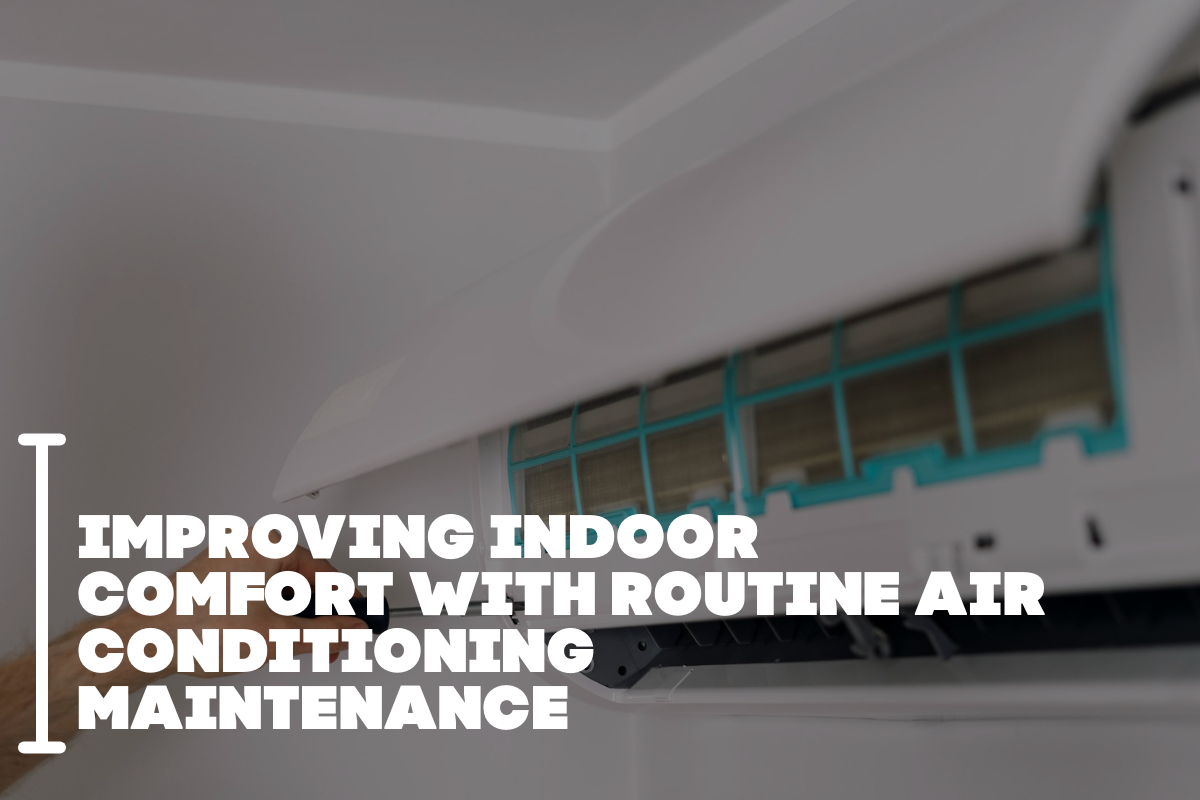
Replacing filters and sanitizing coils removes dust, mold, and allergens circulated indoors. Cleaner air benefits health, reducing odors and respiratory irritants.
Extends Equipment Lifespan
Well-maintained ACs last 15-20 years versus 10 without care, as lubrication and part inspections minimize wear. Warranties often require documented service.
Ensures Safety and Reliability
Electrical checks prevent fires from frayed wires; drain clears avoid water damage. Systems run quieter and more reliably post-maintenance.
FAQ
How often should AC maintenance occur?
Twice yearly—spring tune-up and fall check.
Does it lower electricity bills?
Yes, up to 15% through restored efficiency.
What does a tune-up include?
Filter changes, coil cleaning, refrigerant levels.
Can it prevent summer breakdowns?
Absolutely, catching 80% of issues early.
Why does air quality improve?
Removes accumulated dust and mold from components.