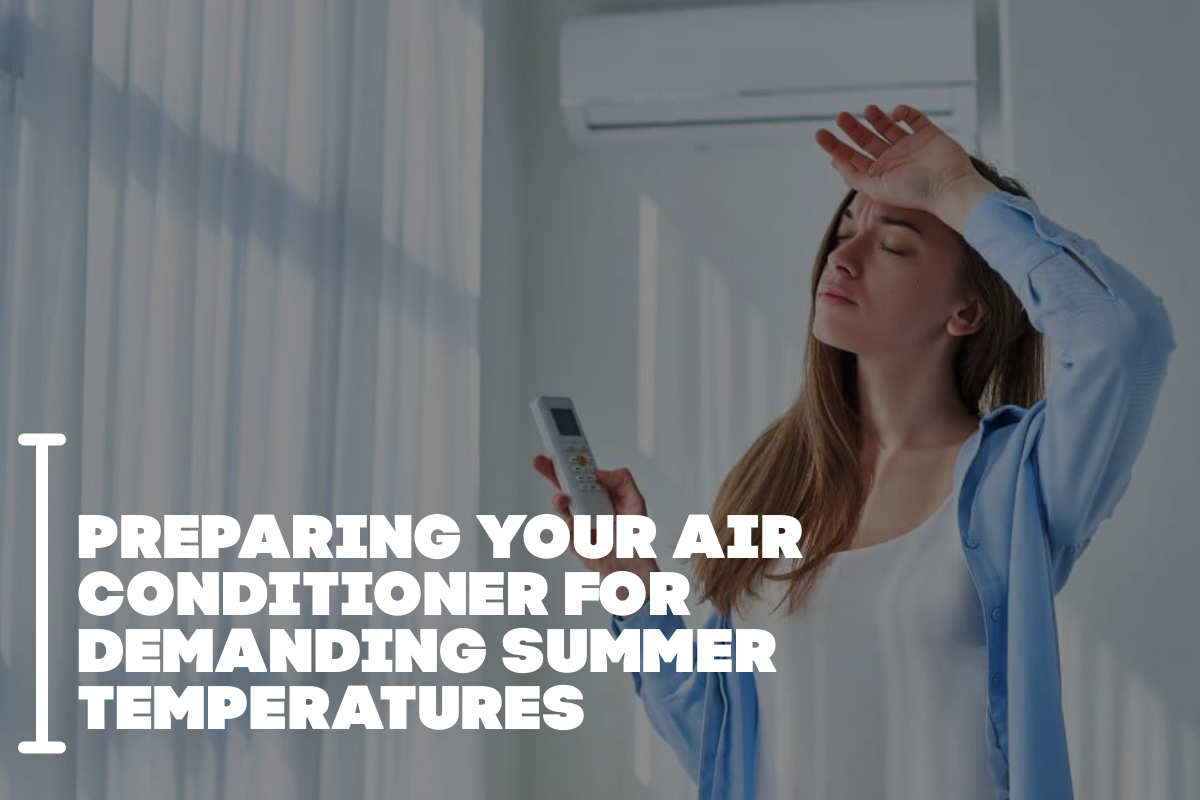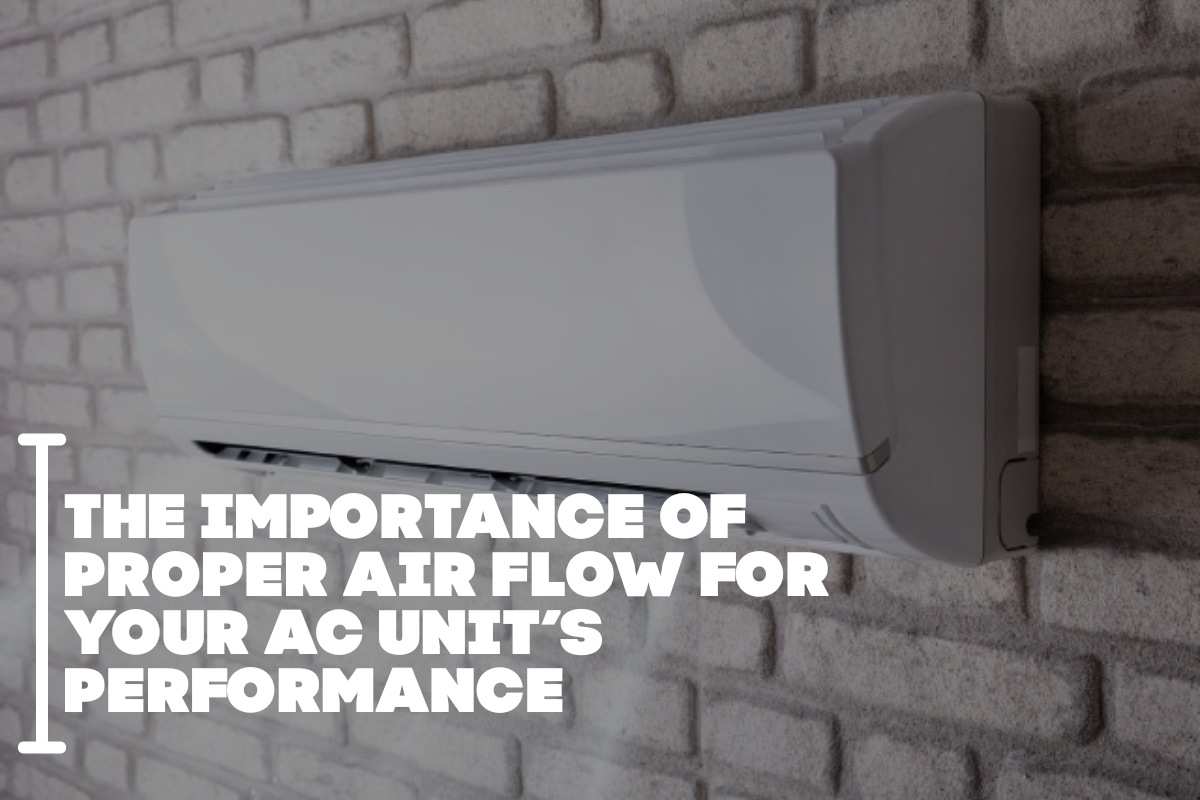
Air conditioners are essential for maintaining indoor comfort, particularly in tropical and subtropical regions like India, where summers can be long and intense. However, even the most energy-efficient AC system cannot perform optimally without proper airflow.
Just as the human body relies on circulation for vitality, an air conditioning system depends on a steady, unobstructed flow of air to deliver cool, clean comfort. Poor airflow not only compromises temperature regulation but also reduces energy efficiency, increases wear and tear, and shortens equipment lifespan.
This article explores why proper airflow is critical to your AC’s performance, how inadequate airflow affects system operation, and the steps you can take to maintain optimal flow and efficiency.
Understanding Airflow in an AC System
At its core, an air conditioning system works by moving warm air from your indoor space, cooling it through the evaporator coil, and redistributing it. The cooled air circulates through ductwork or vents, depending on the system type. Consistent airflow ensures that this process happens efficiently and evenly throughout your home or workspace.
Airflow balance involves three main components:
- Return air flow: The process of drawing warm air from rooms back into the cooling system.
- Conditioned air flow: The cooled air that circulates back into living spaces.
- Exhaust or ventilation air: Air expelled or exchanged with the outdoors for ventilation.
A disruption in any of these phases—whether due to blockages, fan malfunctions, or dirty filters—directly reduces the AC’s ability to maintain consistent cooling performance.
Why Proper Airflow Matters
Proper airflow is not just about comfort—it affects nearly every aspect of your HVAC system’s operation.
- Efficiency and Energy Use
Adequate airflow allows the evaporator coils to extract heat efficiently. When air movement slows, the coils can become too cold, causing ice buildup. As the AC struggles to maintain target temperatures, energy consumption spikes, and your electricity bills rise. - System Longevity
Air conditioners are built to handle a specific volume of air. Restricted airflow forces the blower fan and compressor to work harder than intended, resulting in overheating and premature component wear. Over time, this stress can lead to frequent repairs or full system failure. - Even Cooling Performance
Insufficient airflow often leads to uneven room temperatures—some zones feel cold while others remain warm. This imbalance results from reduced circulation and uneven distribution of cooled air through ducts or vents. - Air Quality and Health
Good airflow supports proper filtration. When air passes efficiently through the system, filters can trap dust, pollen, and other pollutants. Poor airflow compromises this filtration process, allowing allergens to recirculate indoors and degrade air quality.
Common Causes of Poor Airflow
Understanding what disrupts airflow is key to preventing performance issues. Here are some typical culprits:
- Clogged Air Filters: The most common reason for reduced airflow, dirty filters restrict circulation and should be cleaned or replaced every 30–90 days, depending on usage.
- Obstructed Vents and Registers: Furniture, curtains, or dust buildup can block airflow from vents, reducing cooling efficiency.
- Frozen Evaporator Coils: Caused by restricted airflow or low refrigerant levels, frozen coils hinder air movement and cooling output.
- Leaky or Dirty Ductwork: In ducted systems, leaks, blockages, or dust accumulation reduce total airflow and introduce pollutants.
- Fan Issues: Faulty blower motors, worn-out belts, or misaligned fan blades can lower air velocity within the system.
- Improper AC Unit Size: An oversized or undersized AC struggles to maintain optimal airflow balance, leading to frequent short cycling or insufficient cooling.
How to Improve and Maintain Proper Airflow
Maintaining proper airflow doesn’t require complex repairs—it focuses mainly on prevention, cleaning, and timely maintenance.
- Clean or Replace Filters Regularly
Make a habit of checking filters monthly, particularly during peak summer months when AC usage is high. Replace disposable filters or clean reusable ones as recommended by the manufacturer. - Inspect and Unblock Air Vents
Ensure all vents are open and unobstructed by furniture, drapes, or clutter. Regularly vacuum vent covers to remove dust buildup. - Schedule Routine Maintenance
Professional servicing at least twice a year (pre-summer and post-monsoon) helps technicians detect airflow-related issues early—cleaning coils, checking ducts, and testing fan motors. - Maintain Ductwork
If your home uses central air conditioning, have ducts inspected every 2–3 years for leaks, mold, or debris. Proper sealing and cleaning improve both air quality and system performance. - Monitor System Performance
Pay attention to unusual signs—uneven temperatures, weak airflow at vents, or higher power bills. These may indicate airflow obstructions that require professional assessment. - Use Smart Thermostats
Modern thermostats help optimize airflow and usage patterns by learning your habits and automating fan schedules for consistent circulation.
Long-Term Benefits of Proper Airflow Maintenance
Investing time in airflow maintenance pays off significantly in the long run.
- Improved Comfort: Balanced airflow ensures consistent temperatures in every room.
- Lower Energy Bills: Efficient performance reduces electricity consumption.
- Extended Equipment Life: Less strain on the compressor and motor prolongs system durability.
- Better Air Quality: Effective filtration maintains a healthier indoor environment.
- Reduced Repair Costs: Preventive maintenance avoids costly emergency service calls.
Frequently Asked Questions (FAQ)
Q1: How can I tell if my AC has poor airflow?
Common signs include weak air from vents, uneven cooling across rooms, strange noises from the unit, or ice on the evaporator coils. A sudden spike in energy bills can also be a red flag.
Q2: Can I clean my air ducts myself?
Light cleaning of vent openings is fine, but internal duct cleaning should be handled by professionals. They use specialized tools to safely remove debris, mold, and dust buildup.
Q3: How often should I replace air filters?
Typically every 1–3 months, depending on your environment, AC usage, and filter type. Homes with pets or in dusty areas may require more frequent replacements.
Q4: Does ceiling fan use help airflow?
Yes. Ceiling fans improve indoor air circulation, helping the cooled air spread more evenly and reducing the AC system’s load.
Q5: What happens if airflow issues are ignored?
Prolonged poor airflow can lead to frozen coils, system inefficiency, higher electricity costs, and eventually compressor failure, which is an expensive repair.