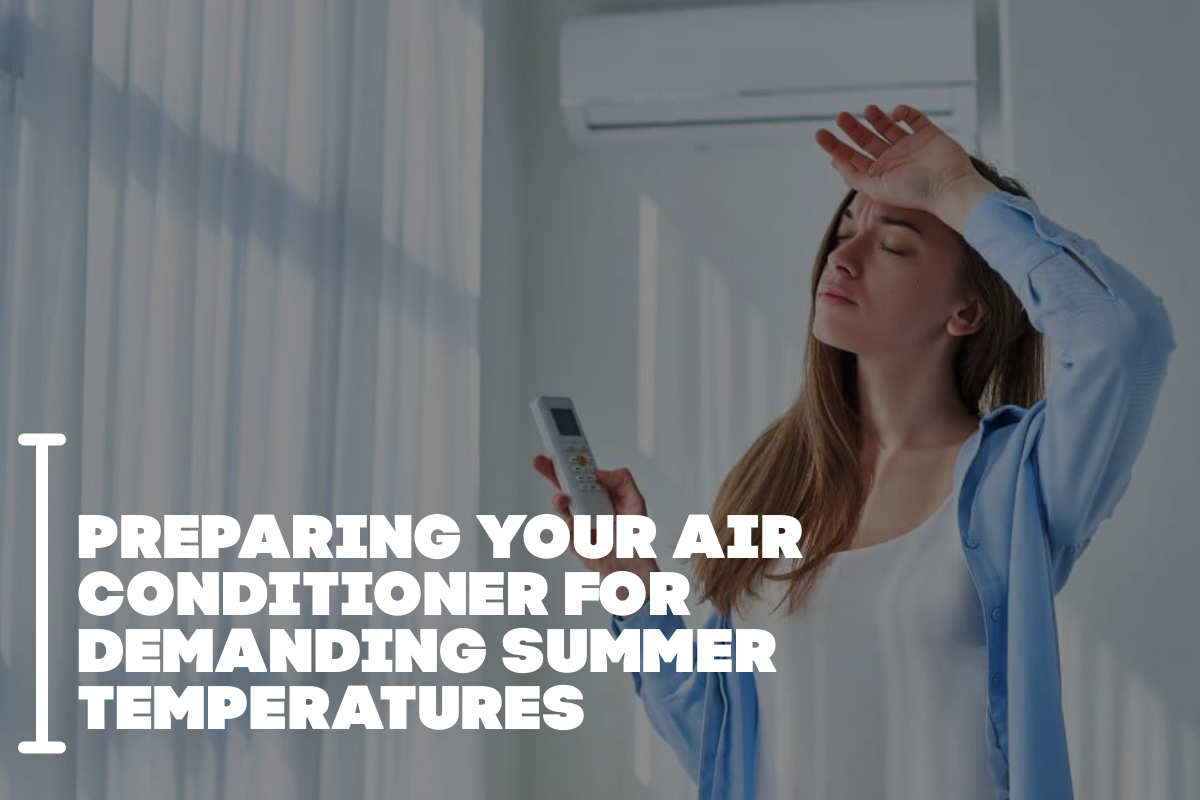
When an air conditioner stops working properly, it can be uncomfortable and frustrating—especially during hot weather. While some issues require professional repair, many common air conditioning problems can be identified and sometimes resolved with simple troubleshooting steps. Taking a few minutes to check the basics may restore cooling, prevent unnecessary service calls, or at least give you clearer information when you do contact a technician.
Check the Thermostat Settings First
One of the most common and easily overlooked issues is incorrect thermostat settings. Ensure the thermostat is set to “cool” and not “heat” or “fan only.” Verify that the temperature setting is lower than the current room temperature.
If your thermostat uses batteries, replace them even if the display is still on. Weak batteries can cause communication issues between the thermostat and the AC system, leading to inconsistent operation.
Inspect the Air Filter
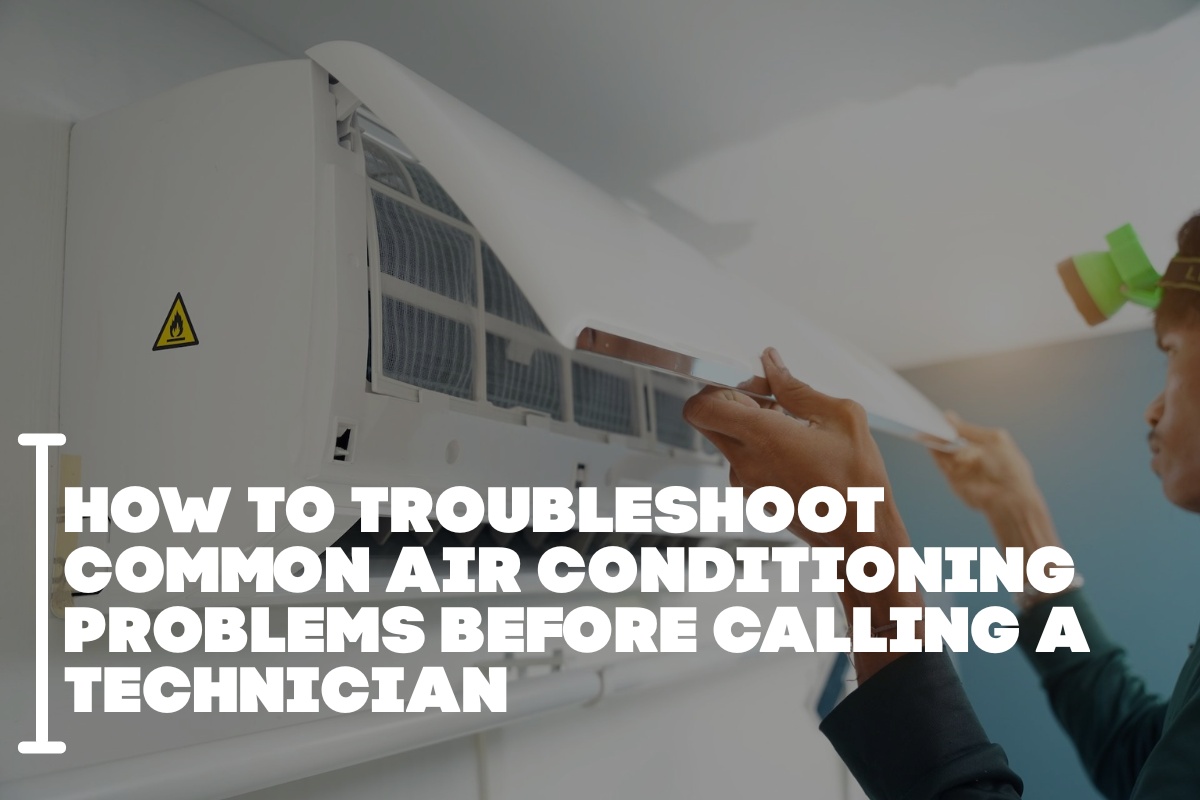
A dirty or clogged air filter is a frequent cause of poor cooling and system shutdowns. When airflow is restricted, the system has to work harder, which can lead to freezing, overheating, or short cycling.
Remove the filter and check for dust buildup. If it looks dirty, replace it. Many systems require filter changes every one to three months, depending on usage and indoor air quality.
Confirm Power Supply and Circuit Breakers
If the air conditioner is not turning on at all, check your home’s electrical panel. A tripped breaker or blown fuse can cut power to the system.
Reset any tripped breakers once. If the breaker trips again immediately, stop and contact a professional—repeated tripping may indicate an electrical or mechanical problem that requires expert attention.
Check the Outdoor Condenser Unit
The outdoor unit plays a critical role in releasing heat from your home. Make sure it is powered on and free from debris such as leaves, grass clippings, or dirt.
Ensure there is at least two feet of clear space around the unit for proper airflow. Blocked or dirty condenser coils can reduce efficiency and cause the system to shut down to protect itself.
Look for Ice or Frost on the System
Ice buildup on the indoor evaporator coil or refrigerant lines is a sign of restricted airflow or low refrigerant levels. If you see ice, turn the system off and allow it to thaw completely.
Check the air filter and vents for obstructions. If icing returns after these steps, professional service is needed, as refrigerant issues cannot be resolved without proper tools and certification.
Inspect Vents and Registers
Make sure all supply and return vents are open and unobstructed. Closed vents, blocked registers, or furniture covering airflow points can cause uneven cooling and strain the system.
Walk through your home to confirm consistent airflow. Uneven cooling may indicate duct issues, but blocked vents are a simple fix worth checking first.
Listen for Unusual Noises
Air conditioners normally produce a steady operating sound. Grinding, banging, squealing, or clicking noises often indicate mechanical issues such as loose components, worn belts, or motor problems.
While you should not attempt to repair mechanical parts yourself, noting when the noise occurs and its type can help a technician diagnose the problem more quickly.
Check the Condensate Drain Line
A clogged condensate drain can cause water leaks or trigger system shutoffs. Look for standing water near the indoor unit or overflow pan.
If accessible, you can try clearing the drain line with a wet/dry vacuum or flushing it with warm water. Persistent drainage problems should be handled by a professional.
Assess Cooling Performance
If the AC is running but not cooling effectively, compare the air temperature at the vents to the room temperature. Weak or warm airflow may indicate airflow restrictions, duct leaks, or refrigerant issues.
While basic checks can rule out simple causes, continued poor cooling usually means it’s time to call a technician.
Know When to Stop Troubleshooting
If basic troubleshooting steps do not resolve the issue, or if you notice burning smells, repeated breaker trips, refrigerant leaks, or water damage, stop and contact a professional immediately. Attempting advanced repairs without proper training can cause further damage or safety risks.
Frequently Asked Questions (FAQ)
Q. Can a dirty filter really stop my air conditioner from working
Yes. Severely clogged filters can cause airflow restriction, freezing, or system shutdowns.
Q. Is it safe to reset a tripped breaker
Yes, once. If it trips again, stop and call a technician.
Q. Why is my AC running but not cooling
Common causes include dirty filters, blocked outdoor units, low refrigerant, or airflow issues.
Q. Should I turn off my AC if I see ice on it
Yes. Turn it off and let it thaw completely before further troubleshooting.
Q. When should I call a professional immediately
Call right away if you smell burning, see water leaks near electrical components, or experience repeated power issues.
Learning how to troubleshoot common air conditioning problems can save time, reduce stress, and sometimes restore comfort without a service call. By checking thermostats, filters, power supply, airflow, and visible components, you can quickly identify whether the issue is minor or requires professional repair. Knowing these basics also helps you communicate more effectively with technicians, ensuring faster and more accurate service when it’s needed.