Air conditioning systems are designed to create comfortable indoor environments by managing both temperature and moisture levels. However, when indoor humidity becomes too high, even a well-functioning system can struggle to deliver the comfort people expect.
High humidity affects how cool a space feels, how efficiently an air conditioner operates, and how healthy the indoor environment remains. Understanding the relationship between humidity and air conditioning performance helps homeowners recognize issues early and make informed decisions that support comfort, efficiency, and long-term system health.
Why Humidity Matters for Indoor Comfort
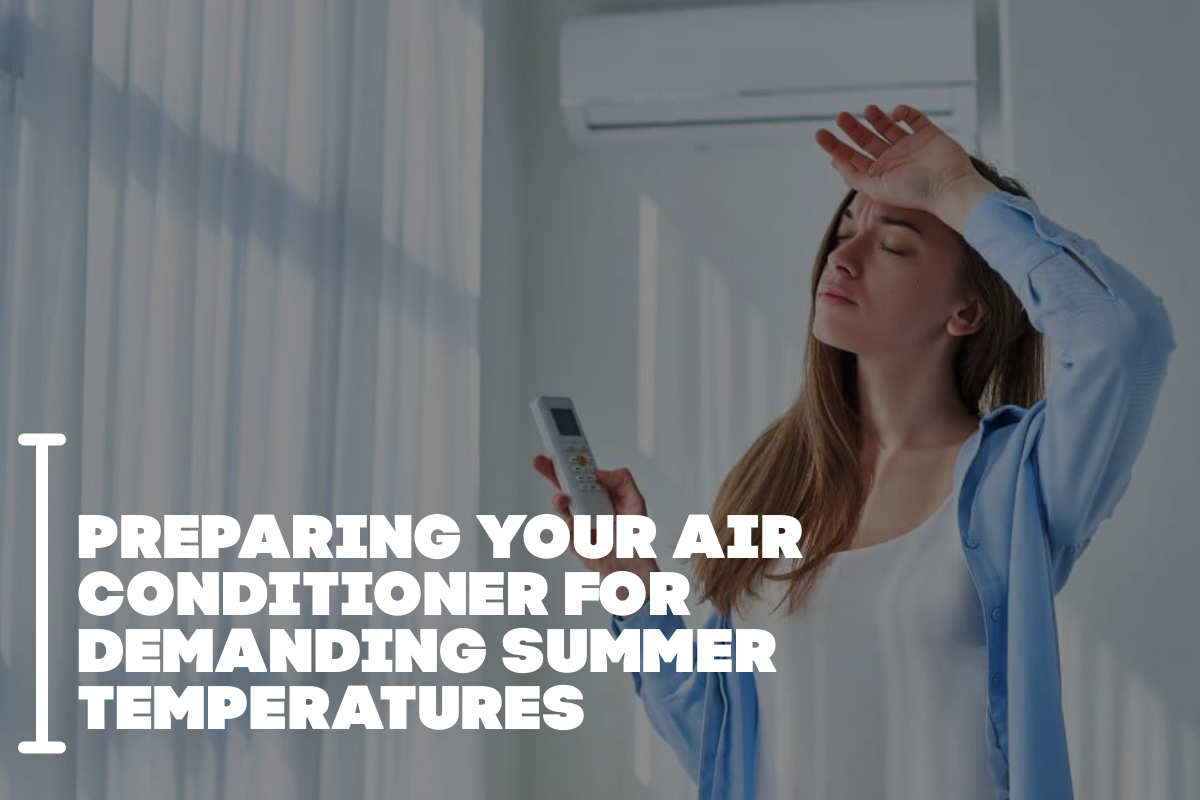
Comfort is not determined by temperature alone. Humidity plays a major role in how the body perceives heat. When moisture levels in the air are high, sweat evaporates more slowly from the skin. This makes people feel warmer, stickier, and more uncomfortable even when the thermostat shows a reasonable temperature.
As a result, occupants often lower the thermostat in an attempt to feel cooler. This increases system workload and energy use without fully solving the discomfort. Proper humidity control is therefore essential for achieving true indoor comfort.
How Air Conditioners Remove Moisture From the Air
Air conditioning systems naturally remove humidity as part of the cooling process. When warm air passes over the cold evaporator coil, moisture condenses and drains away. This dehumidification is a critical function of the system.
However, if the system is not operating optimally, or if humidity levels are especially high, the AC may struggle to remove enough moisture. Oversized units, short cycling, clogged coils, poor airflow, or improper system design can all reduce effective dehumidification. When moisture removal is inadequate, indoor air remains damp even if temperatures are lowered.
Increased Energy Use and Higher Utility Bills
High humidity forces air conditioning systems to work harder. The system must run longer cycles to remove both heat and moisture from the air. This extended operation increases electricity consumption and leads to higher utility bills.
Additionally, when homeowners lower the thermostat to compensate for discomfort, the system consumes even more energy. This not only increases costs but also accelerates wear on components. Over time, the added strain can shorten the lifespan of the equipment.
Reduced Cooling Efficiency and Uneven Temperatures
Excess humidity can interfere with how efficiently an air conditioner cools a home. Moist air holds more heat energy than dry air, which means the system must remove more heat to achieve the same temperature change.
This can lead to uneven cooling throughout the home. Some rooms may feel muggy while others feel overly cold. The system may run frequently without ever achieving consistent comfort. These performance issues are often signs that humidity control needs attention.
Impact on Indoor Air Quality and Health
High indoor humidity creates an environment where mold, mildew, and dust mites can thrive. These allergens can negatively affect indoor air quality and contribute to respiratory issues, allergies, and asthma symptoms.
Excess moisture can also lead to musty odors, condensation on windows, and damp surfaces. Over time, this can damage furniture, flooring, and building materials. Effective humidity management supports not only comfort but also a healthier living environment.
How Poor Humidity Control Strains HVAC Components
When an air conditioner runs longer than necessary due to high humidity, its internal components experience more wear and tear. The compressor, blower motor, and other critical parts must work harder and more frequently.
This increased strain raises the risk of breakdowns and can lead to costly repairs. Systems that are consistently overworked due to humidity issues are also more likely to fail prematurely. Proper humidity balance protects both comfort and equipment longevity.
The Role of Proper System Sizing and Maintenance
System design plays a significant role in humidity control. Oversized air conditioners often cool the air too quickly, shutting off before they can adequately remove moisture. This results in cool but clammy indoor conditions.
Regular maintenance is equally important. Dirty coils, clogged filters, low refrigerant levels, and airflow issues all reduce the system’s ability to dehumidify effectively. Routine inspections and tune-ups help ensure the system is operating at peak performance and managing moisture as intended.
Solutions for Managing High Indoor Humidity
In some cases, additional solutions may be needed to control humidity. Whole-home dehumidifiers can work alongside air conditioning systems to provide consistent moisture control. Improving insulation, sealing air leaks, and ensuring proper ventilation can also help reduce indoor humidity levels.
Simple habits, such as using exhaust fans in bathrooms and kitchens, addressing water leaks promptly, and avoiding overuse of indoor humidifying sources, can further support balanced indoor moisture.
Frequently Asked Questions
What is the ideal indoor humidity level for comfort?
Most experts recommend keeping indoor humidity between 30% and 50% for optimal comfort and air quality.
Can high humidity make my air conditioner seem like it is not working?
Yes. Even if the system is cooling properly, high humidity can make the space feel warm and uncomfortable, giving the impression of poor performance.
Why does my home feel clammy even when it is cool?
This often happens when the air conditioner cools the air quickly but does not run long enough to remove sufficient moisture, which can occur with oversized systems or airflow issues.
Does running the AC longer always reduce humidity?
Not always. While longer run times can help with dehumidification, issues such as improper system design or maintenance problems can still limit moisture removal.
Can a dehumidifier help my air conditioner work better?
Yes. A whole-home or portable dehumidifier can reduce the moisture load, allowing your air conditioner to cool more efficiently and improve overall comfort.
Is high indoor humidity harmful to my home?
Yes. Over time, high humidity can contribute to mold growth, structural damage, odors, and deterioration of building materials and furnishings.