Midwest summers can bring long stretches of heat and humidity that put real pressure on home cooling systems and household energy bills. While air conditioning is often essential for comfort and safety, it does not have to lead to excessive costs.
With a few practical adjustments and mindful habits, homeowners can stay cool while significantly reducing energy use. These energy-saving cooling tips are designed specifically with Midwest weather patterns in mind, where humidity, temperature swings, and older housing stock are common factors.
Use Your Thermostat More Strategically
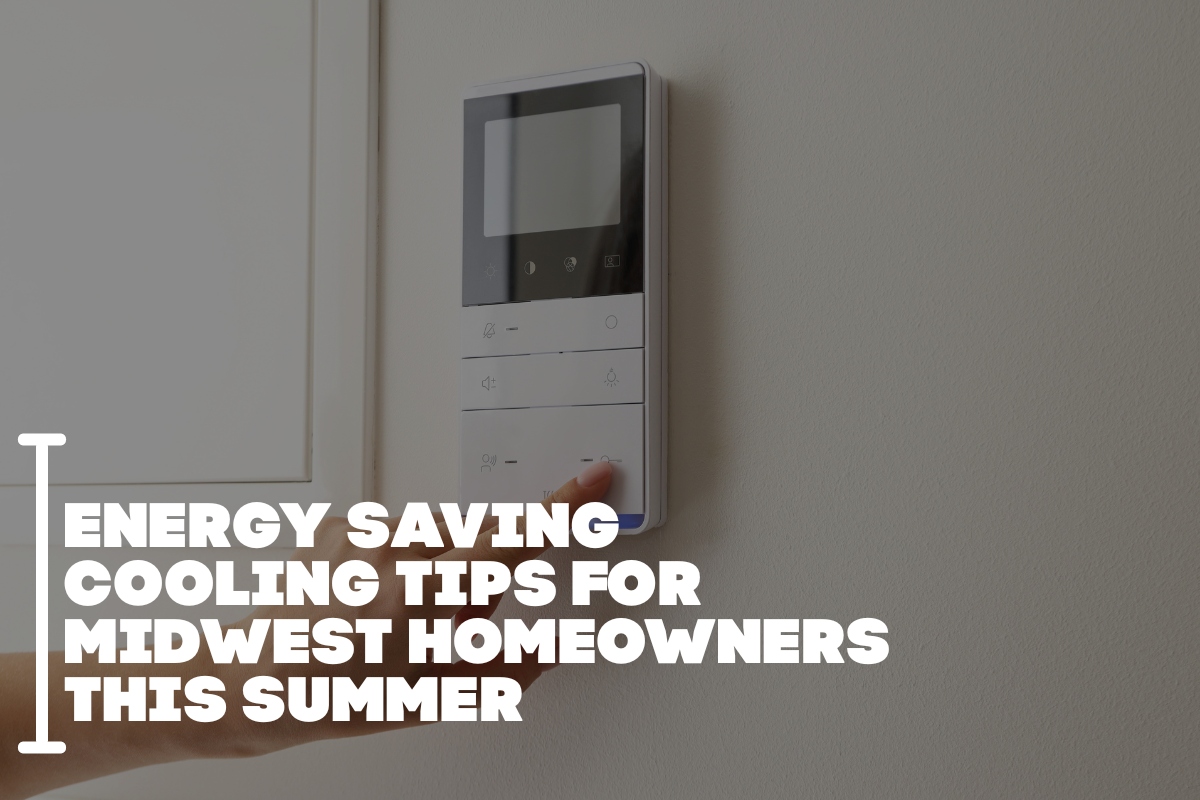
One of the simplest ways to reduce cooling costs is by adjusting how you use your thermostat. Setting your thermostat a few degrees higher can make a noticeable difference in energy consumption without drastically reducing comfort.
When you are home, aim for a comfortable but efficient setting rather than the coldest possible temperature. When you are away or asleep, raising the temperature slightly reduces the workload on your system. Smart thermostats can help automate this process, but even manual adjustments can lead to meaningful savings.
Manage Humidity to Improve Comfort
Midwest summers are often more uncomfortable due to high humidity rather than extreme heat alone. Managing indoor moisture can make your home feel cooler even at higher temperatures.
Using bathroom and kitchen exhaust fans, running a dehumidifier, and ensuring your air conditioner is properly removing moisture all help reduce indoor humidity. When the air feels less sticky, you may find that you can increase your thermostat setting without sacrificing comfort.
Keep Air Filters Clean for Better Efficiency
A dirty air filter forces your cooling system to work harder to circulate air. This reduces efficiency and increases energy use.
Replacing or cleaning air filters regularly helps maintain strong airflow and improves overall system performance. It also supports better indoor air quality, which is especially important during allergy season. For most homes, checking the filter monthly during peak cooling season is a good habit.
Use Ceiling Fans to Support Air Circulation
Ceiling fans do not cool the air, but they make rooms feel cooler by improving air movement. This allows you to rely less on your air conditioner.
Fans work best when used strategically in occupied rooms. Turning them off when no one is present ensures you are not wasting electricity. In combination with a slightly higher thermostat setting, ceiling fans can significantly improve comfort at a lower cost.
Block Out the Sun During the Hottest Parts of the Day
Sunlight streaming through windows can dramatically increase indoor temperatures, especially in the afternoon. This is particularly true in homes with large windows or west-facing rooms.
Using blinds, curtains, or reflective window coverings during peak sunlight hours helps reduce heat gain. Exterior solutions such as awnings or shade trees can provide even more effective long-term protection against excess heat.
Seal Air Leaks to Keep Cool Air Inside
Many Midwest homes, especially older ones, lose a significant amount of cooled air through small gaps around doors, windows, and attic spaces.
Sealing these leaks with weatherstripping, caulk, or insulation improvements helps keep cool air inside and hot air outside. This reduces the strain on your cooling system and supports more consistent indoor temperatures.
Avoid Generating Extra Heat Indoors
Appliances and electronics generate heat that adds to your cooling load. Ovens, dryers, and even excessive lighting can raise indoor temperatures.
During especially hot days, consider grilling outdoors instead of using the oven, running major appliances in the evening, and switching to energy-efficient lighting. These small shifts reduce unnecessary heat buildup and ease the burden on your air conditioner.
Maintain Your Air Conditioning System Regularly
A well-maintained cooling system runs more efficiently and uses less energy. Dust, debris, worn components, and low refrigerant levels can all reduce performance.
Scheduling seasonal maintenance before peak summer temperatures helps ensure your system is operating at its best. Routine inspections can also identify small issues before they turn into costly repairs during the hottest days of the year.
Use Zoning or Close Off Unused Areas
If parts of your home are rarely used, you may not need to cool them as much as frequently occupied spaces. Closing vents in unused rooms, using zoning systems, or simply keeping doors closed can help direct cool air where it is most needed.
This approach can be especially helpful in multi-story Midwest homes, where upper levels often heat up faster. Strategic cooling helps improve comfort while avoiding unnecessary energy use.
Take Advantage of Cooler Evening Temperatures
Unlike some regions, many Midwest areas experience cooler temperatures at night, even during hot spells. Taking advantage of this natural cooling can reduce reliance on air conditioning.
Opening windows in the evening, using window fans to draw in cooler air, and closing everything up again during the heat of the day can help regulate indoor temperatures naturally. This technique works best on days when nighttime humidity is manageable.
Frequently Asked Questions
What is the ideal thermostat setting for saving energy in summer?
Many experts suggest setting your thermostat around 78°F when home and higher when away, but comfort levels vary. Even small increases can lead to noticeable savings.
Do ceiling fans actually reduce cooling costs?
Yes. While they do not lower air temperature, they improve comfort, allowing you to raise your thermostat setting and reduce AC usage.
How often should I replace my air filter in summer?
During peak cooling season, it is best to check filters monthly and replace them every one to three months depending on usage and air quality.
Is it better to leave the AC running all day or turn it off when I leave?
Raising the thermostat when you leave is usually more energy-efficient than keeping the system running at a low temperature all day.
Can closing vents in unused rooms save energy?
It can help in some cases, but it should be done carefully. Extreme airflow restriction can stress certain systems. Zoning systems are often a better solution.
Does regular maintenance really make a difference?
Yes. Proper maintenance improves efficiency, reduces energy use, extends system lifespan, and lowers the risk of breakdowns during extreme heat.