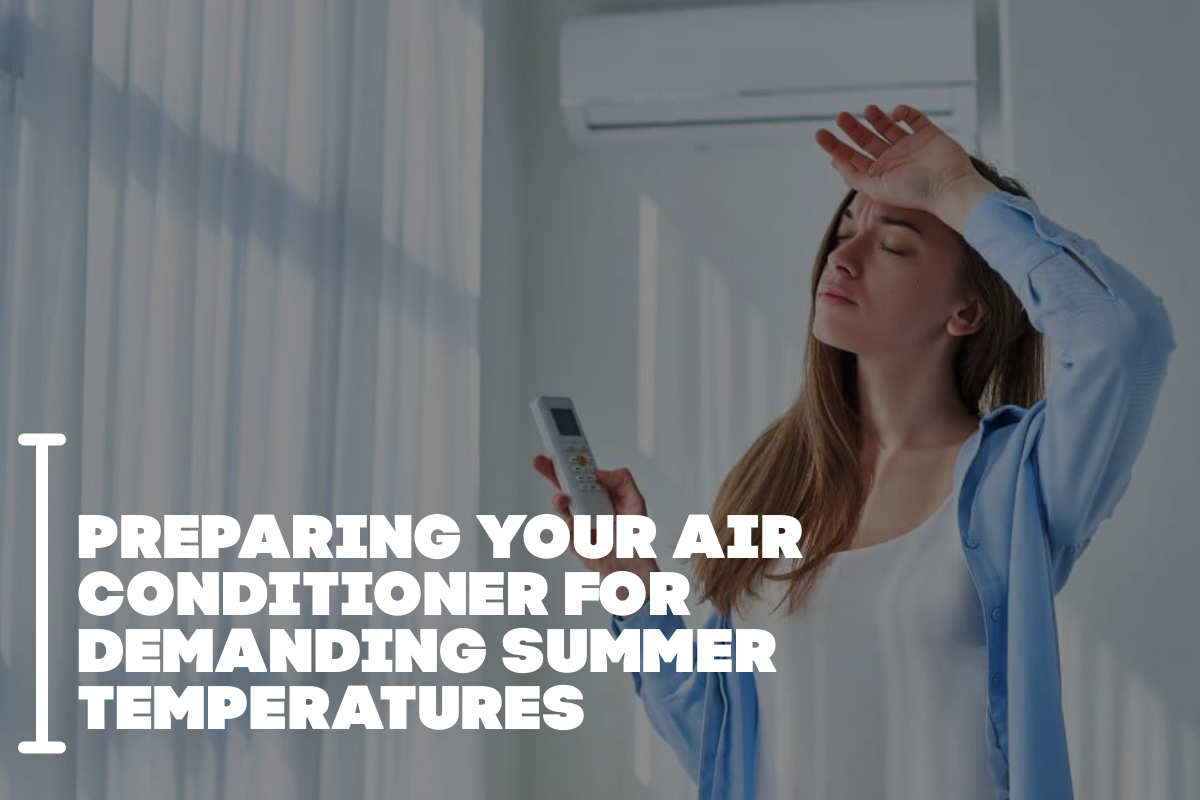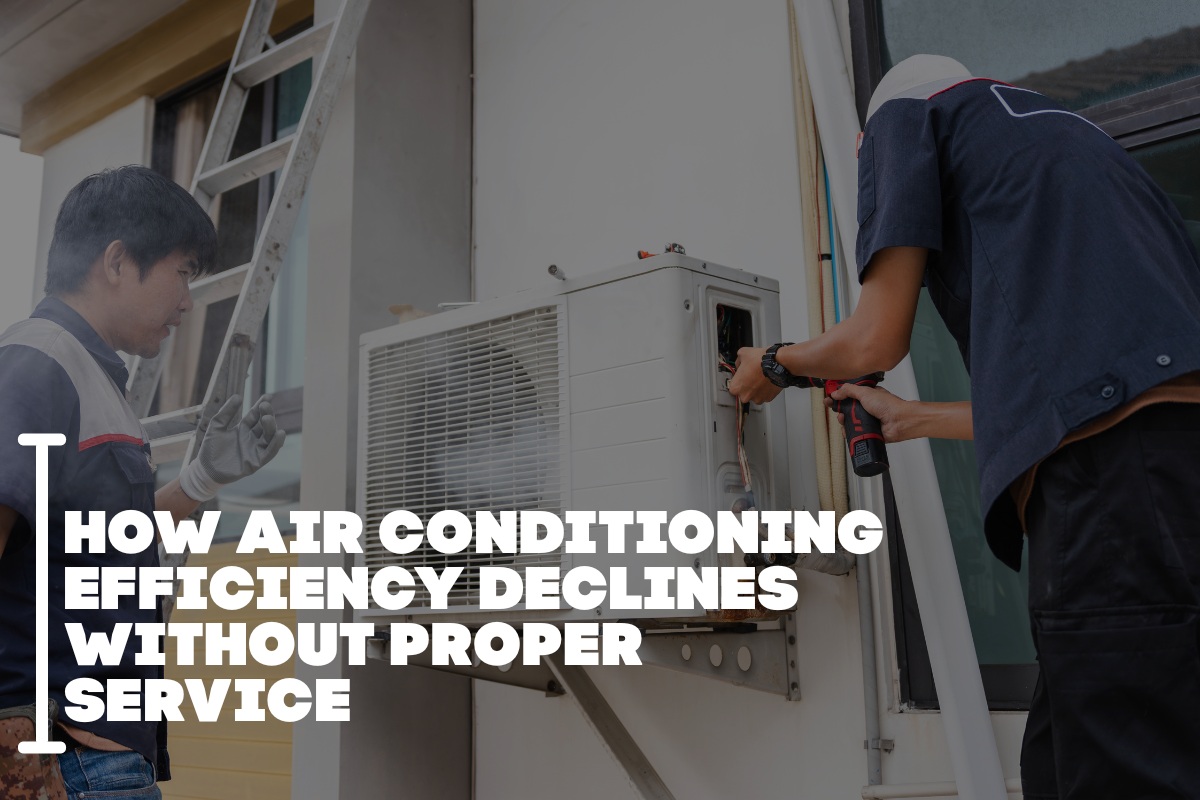
Air conditioning systems are essential for maintaining comfort during hot weather, but like any complex appliance, they require regular maintenance to ensure optimal performance. Without proper service, an air conditioning unit can lose efficiency, leading to higher energy costs, frequent breakdowns, and a reduced lifespan. In this article, we’ll explore how air conditioning efficiency declines when proper service is neglected and why regular maintenance is key to keeping your system running smoothly.
1. Dirty or Clogged Air Filters
One of the most common issues that reduce air conditioning efficiency is dirty or clogged air filters. Air filters trap dust, dirt, and debris, preventing them from entering the system and affecting the air quality in your home. Over time, these filters can become clogged, obstructing airflow and causing the air conditioner to work harder to cool the air.
When filters are dirty, the system has to run longer to achieve the desired temperature, leading to increased energy consumption and higher utility bills. Additionally, clogged filters can cause the system to overheat, potentially leading to more serious damage. Regular filter cleaning or replacement is essential for maintaining airflow and ensuring your system runs efficiently.
2. Coils Become Dirty or Frozen
Your air conditioning system relies on evaporator coils and condenser coils to absorb and release heat. Over time, these coils can accumulate dirt, reducing their ability to absorb and expel heat effectively. When coils are dirty, the system has to work harder to maintain the desired temperature, leading to decreased efficiency.
In the case of evaporator coils, dirty coils can also lead to the coils freezing, further reducing airflow and cooling performance. If the coils are not cleaned regularly, the system can become overburdened, and cooling capacity can drop significantly. Regular coil cleaning as part of a maintenance check can help avoid these issues and maintain optimal system performance.
3. Low Refrigerant Levels
Refrigerant is the substance that allows your air conditioning system to cool the air. If your system’s refrigerant levels are low due to a leak or improper charging, the air conditioner will struggle to cool the air efficiently. This not only results in poor cooling performance but also forces the system to run longer, increasing energy consumption and driving up costs.
Without proper service, refrigerant leaks can go unnoticed until they lead to a system failure. If the refrigerant levels aren’t regularly checked and topped off, your air conditioner will become less efficient and may eventually break down completely. Professional maintenance ensures that the refrigerant levels are correctly monitored and topped up.
4. Dirty Condenser and Evaporator Coils
The condenser and evaporator coils play vital roles in the cooling process. When either of these components is covered in dirt, debris, or dust, their ability to transfer heat effectively is compromised. For example, a dirty condenser coil can make it difficult for the system to release the heat it’s absorbed from inside the building, while dirty evaporator coils prevent the system from properly absorbing heat.
This leads to longer running times and inefficient cooling, forcing the system to consume more energy. Regular cleaning of these coils is essential for maintaining the efficiency and functionality of your air conditioner.
5. Improper Thermostat Calibration
The thermostat in your air conditioning system is responsible for regulating the temperature in your home. If the thermostat is improperly calibrated or not working correctly, it can cause the air conditioner to run more than necessary or fail to cool the home efficiently.
For example, an inaccurate thermostat reading may cause the air conditioner to turn on and off too frequently, wasting energy and reducing overall efficiency. Regular maintenance checks can ensure that the thermostat is functioning correctly and is set to the desired temperature, helping the system run efficiently.
6. Air Leaks and Poor Insulation
Even with a perfectly functioning air conditioning unit, inefficiency can occur if there are air leaks or inadequate insulation in your home. Gaps around windows, doors, and ducts can cause cool air to escape, forcing the system to work harder to maintain a consistent temperature.
Improper insulation in the attic or walls can also lead to heat gain, making it harder for your air conditioner to cool the home. A lack of proper sealing and insulation causes energy waste, leading to higher cooling costs and reduced system efficiency. Having your home properly sealed and insulated is an essential part of ensuring your air conditioning system runs efficiently.
7. Clogged Drain Lines
Air conditioners remove moisture from the air during the cooling process, which is then drained out of the system through a condensate drain line. If the drain line becomes clogged with debris or algae, it can prevent water from draining properly, leading to standing water in the unit.
This can result in water damage, mold growth, and even system malfunction. Additionally, a clogged drain line can cause the system to overheat, reducing its efficiency. Routine maintenance includes checking the condensate drain line to ensure proper drainage and prevent these issues from affecting the system’s performance.
8. System Wear and Tear
Over time, even the most well-maintained air conditioning systems experience wear and tear. Regular service can help identify signs of wear early, allowing for repairs or parts replacements before a minor issue turns into a major problem. Ignoring small issues or not addressing the system’s general wear and tear can cause it to work harder, leading to inefficiency and potential breakdowns.
Routine maintenance checks often include inspecting key components such as belts, motors, fans, and electrical connections, helping to extend the lifespan of your system and ensure it continues to operate efficiently.
9. Increased Energy Consumption
As your air conditioning system becomes less efficient due to neglect, it will naturally consume more energy. You’ll notice that your energy bills increase even if you haven’t changed your usage habits. This can be attributed to the system running longer and harder to compensate for inefficiencies.
By maintaining your air conditioning system through regular service, you ensure that it operates at peak efficiency, which in turn reduces energy consumption and lowers your utility costs.
FAQs:
1. Why does air conditioning efficiency decline without proper service?
Neglecting service leads to clogged filters, dirty coils, low refrigerant, and worn-out components, causing the system to work harder and consume more energy.
2. How can dirty air filters affect efficiency?
Dirty filters block airflow, forcing the system to run longer, reducing cooling performance and increasing energy consumption.
3. What happens if refrigerant levels are low?
Low refrigerant causes the system to struggle to cool the air, leading to reduced efficiency and potential system failure if not addressed.
4. How does poor maintenance affect energy bills?
A poorly maintained system runs longer and less efficiently, causing increased energy consumption and higher utility costs.
5. What is the role of the thermostat in efficiency?
An improperly calibrated thermostat can cause the system to turn on and off too frequently, wasting energy and reducing efficiency.