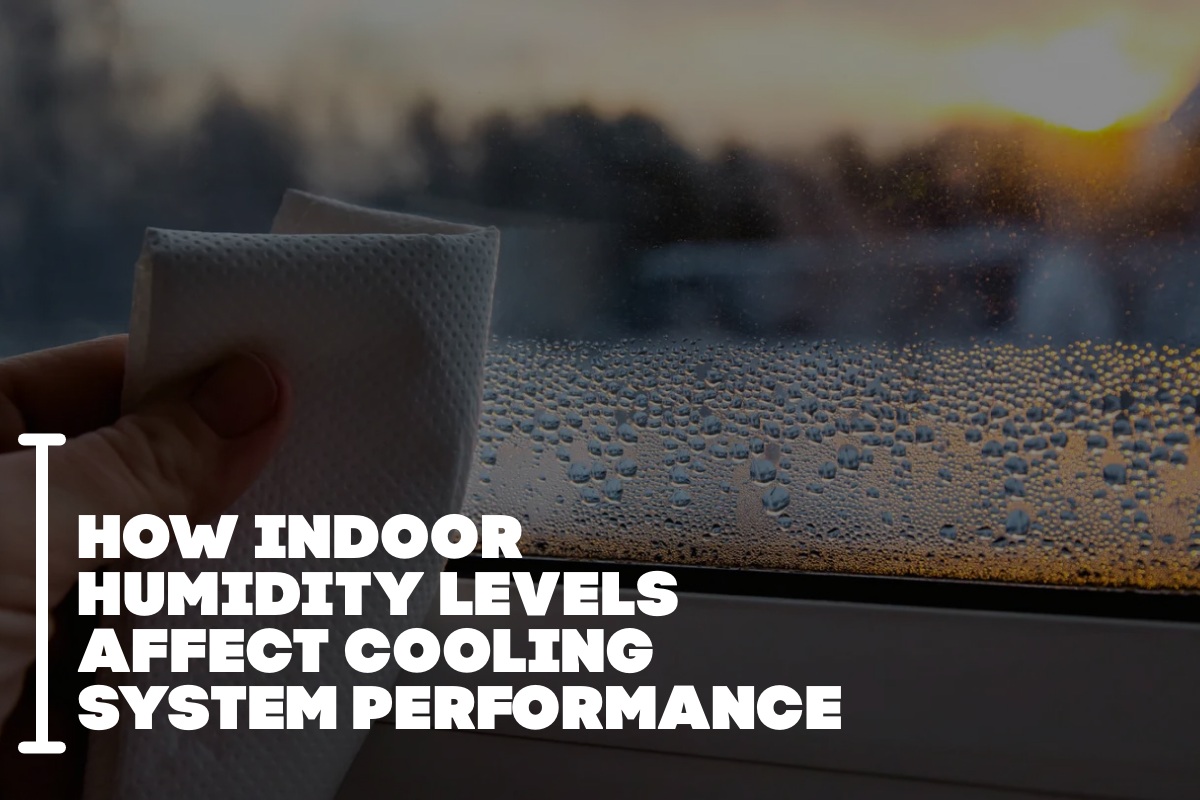
Indoor humidity plays a critical role in how effectively your cooling system operates. While many homeowners focus solely on temperature settings, moisture levels in the air significantly influence comfort, efficiency, and overall HVAC performance. When humidity levels are too high or too low, air conditioning systems must work harder, potentially increasing energy costs and reducing equipment lifespan.
Understanding the relationship between indoor humidity and cooling performance helps homeowners maintain a balanced, comfortable environment while protecting their investment.
The Ideal Indoor Humidity Range
For optimal comfort and system efficiency, indoor humidity should typically remain between 30% and 50%. Levels above this range create a damp environment, while levels below it can cause excessive dryness.
| Humidity Level | Indoor Impact | Cooling System Effect |
|---|---|---|
| Below 30% | Dry air, static electricity, skin irritation | System cycles normally but may feel cooler than necessary |
| 30%–50% | Ideal comfort range | Maximum efficiency and balanced performance |
| 50%–60% | Slightly humid, mild discomfort | System runs longer to remove moisture |
| Above 60% | Sticky air, potential mold growth | Increased strain and reduced efficiency |
Maintaining balanced humidity allows your cooling system to operate as designed without unnecessary stress.
How High Humidity Affects Cooling Performance
Air conditioners do more than cool the air—they also remove moisture. When humidity levels rise above recommended levels, your system must work longer to reduce both temperature and moisture.
Effects of High Indoor Humidity:
- Longer cooling cycles
- Increased energy consumption
- Uneven room temperatures
- Reduced airflow efficiency
- Higher risk of mold and mildew
When the air feels heavy or sticky, lowering the thermostat alone won’t solve the problem. The cooling system may reach the desired temperature but fail to eliminate excess moisture, leaving the home feeling uncomfortable.
In severe cases, oversized air conditioners can cool too quickly without adequately dehumidifying, resulting in persistent dampness.
Low Humidity and Cooling Efficiency
While high humidity is more common during cooling seasons, extremely low humidity can also influence comfort. Dry air feels cooler than humid air, which may cause occupants to lower thermostat settings unnecessarily.
Problems Associated with Low Humidity:
- Dry skin and respiratory irritation
- Increased static electricity
- Shrinking or cracking of wood furnishings
- Perceived need for higher thermostat settings
Although low humidity typically reduces strain on cooling systems, it can still impact comfort and indoor air quality.
How Humidity Influences Energy Consumption
Humidity directly affects how hard your cooling system works. When indoor air contains excess moisture, the evaporator coil must remove that moisture through condensation. This additional workload increases:
- Compressor run time
- Electrical usage
- Wear on system components
Higher runtime means higher utility bills. In contrast, balanced humidity allows the system to cycle efficiently, maintaining consistent temperatures with less energy expenditure.
Signs Humidity Is Impacting Your Cooling System
Homeowners may notice several warning signs when humidity levels interfere with cooling performance:
- Persistent clammy or sticky feeling indoors
- Foggy windows during summer
- Musty odors from vents
- Uneven cooling between rooms
- Rising electricity bills
Monitoring indoor humidity with a hygrometer can help identify imbalances early.
Solutions for Managing Indoor Humidity
Maintaining proper humidity levels enhances both comfort and system efficiency.
Effective Humidity Control Strategies:
- Install a whole-home dehumidifier
- Ensure proper AC sizing during installation
- Replace air filters regularly
- Seal ductwork to prevent moisture infiltration
- Improve home insulation
- Use bathroom and kitchen exhaust fans
A professional HVAC inspection can determine whether your cooling system is properly removing moisture or if supplemental humidity control is necessary.
The Role of Proper System Maintenance
Routine maintenance ensures your cooling system effectively regulates both temperature and humidity.
During maintenance, technicians typically:
- Clean evaporator coils
- Inspect refrigerant levels
- Check condensate drains
- Test airflow and thermostat calibration
- Examine duct system integrity
These steps optimize moisture removal and prevent strain on system components.
Long-Term Benefits of Balanced Humidity
Maintaining appropriate indoor humidity levels offers lasting advantages:
- Improved cooling efficiency
- Lower energy costs
- Reduced risk of mold growth
- Extended HVAC lifespan
- Enhanced indoor comfort
Balanced humidity ensures your cooling system performs efficiently while creating a healthier living environment.
FAQs
What is the best indoor humidity level for cooling efficiency?
The ideal indoor humidity level is typically between 30% and 50%, allowing your cooling system to operate efficiently while maintaining comfort.
Why does my home feel sticky even when the AC is running?
This usually indicates high humidity levels. Your air conditioner may be cooling the air but not effectively removing excess moisture.
Can high humidity damage my cooling system?
Yes. Excess moisture forces the system to work longer and harder, increasing wear on components and raising energy costs.
Do dehumidifiers help cooling systems work better?
Yes. A whole-home dehumidifier reduces moisture levels, allowing your air conditioner to focus primarily on temperature control.
How can I measure indoor humidity?
You can use a digital hygrometer, which is inexpensive and provides accurate indoor humidity readings.