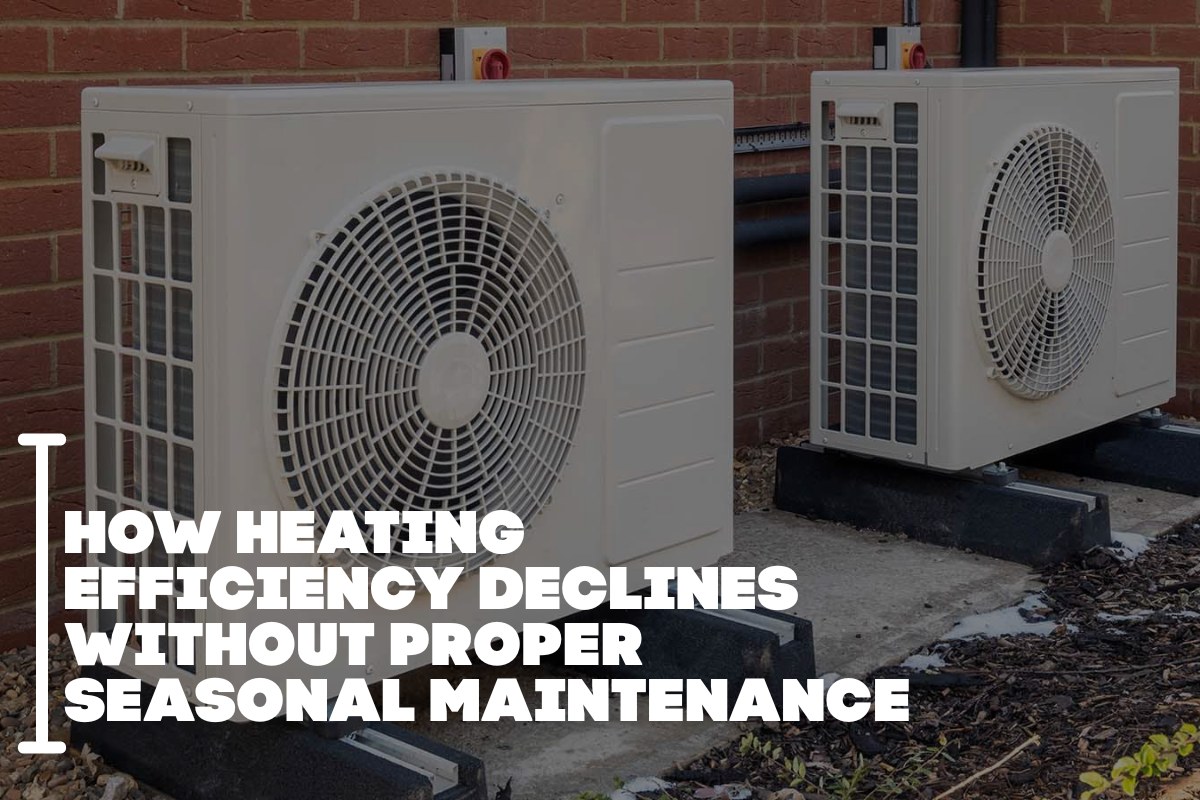
Heating systems are designed to deliver reliable warmth during colder months, but their efficiency depends heavily on regular, seasonal maintenance. When maintenance is skipped or delayed, even high-quality systems can lose performance, consume more energy, and struggle to maintain comfort. Understanding how and why heating efficiency declines without proper upkeep helps homeowners avoid higher costs, uneven heating, and premature system failure.
The Role of Seasonal Maintenance in Heating Performance
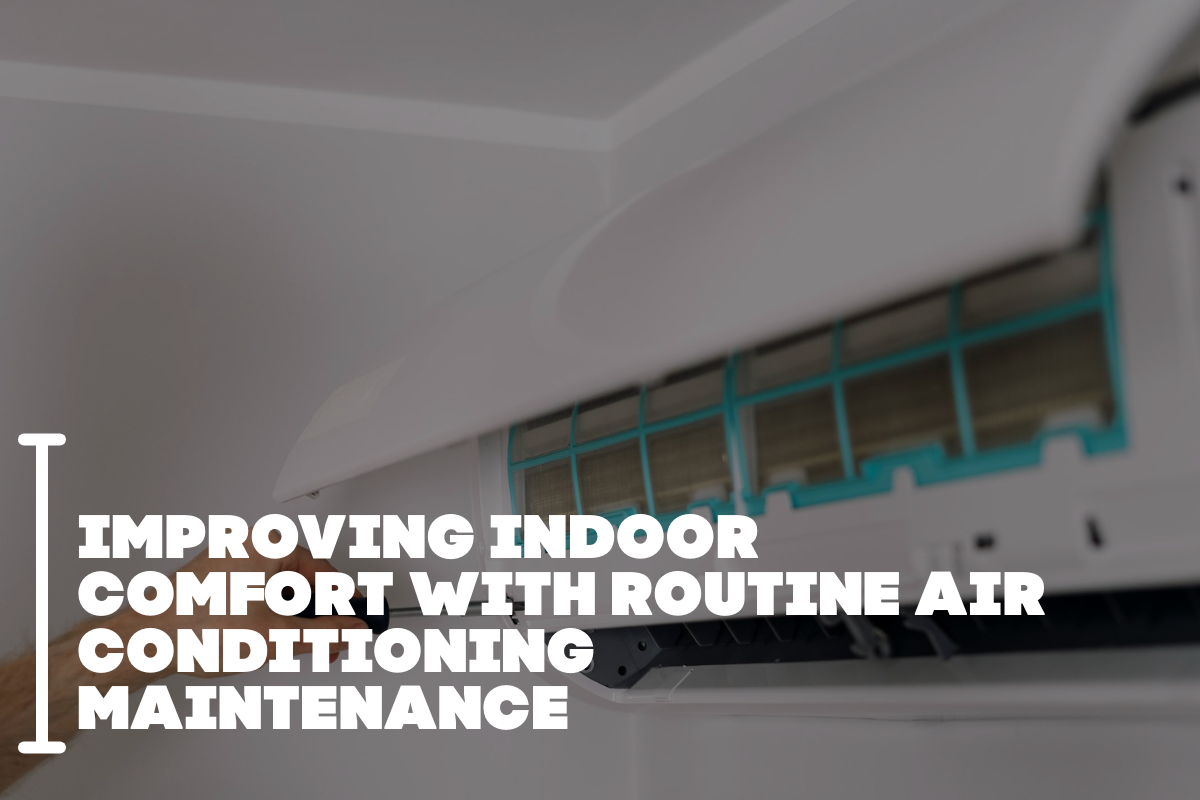
Seasonal maintenance prepares a heating system for the demands of winter operation. During months of inactivity, dust accumulates, components wear, and minor issues develop unnoticed. Maintenance restores optimal operating conditions by cleaning, adjusting, and inspecting key parts before peak usage begins.
Without this preparation, the system must work harder to produce the same level of heat, reducing efficiency from the very start of the season.
Reduced Airflow From Dirty Filters and Ducts
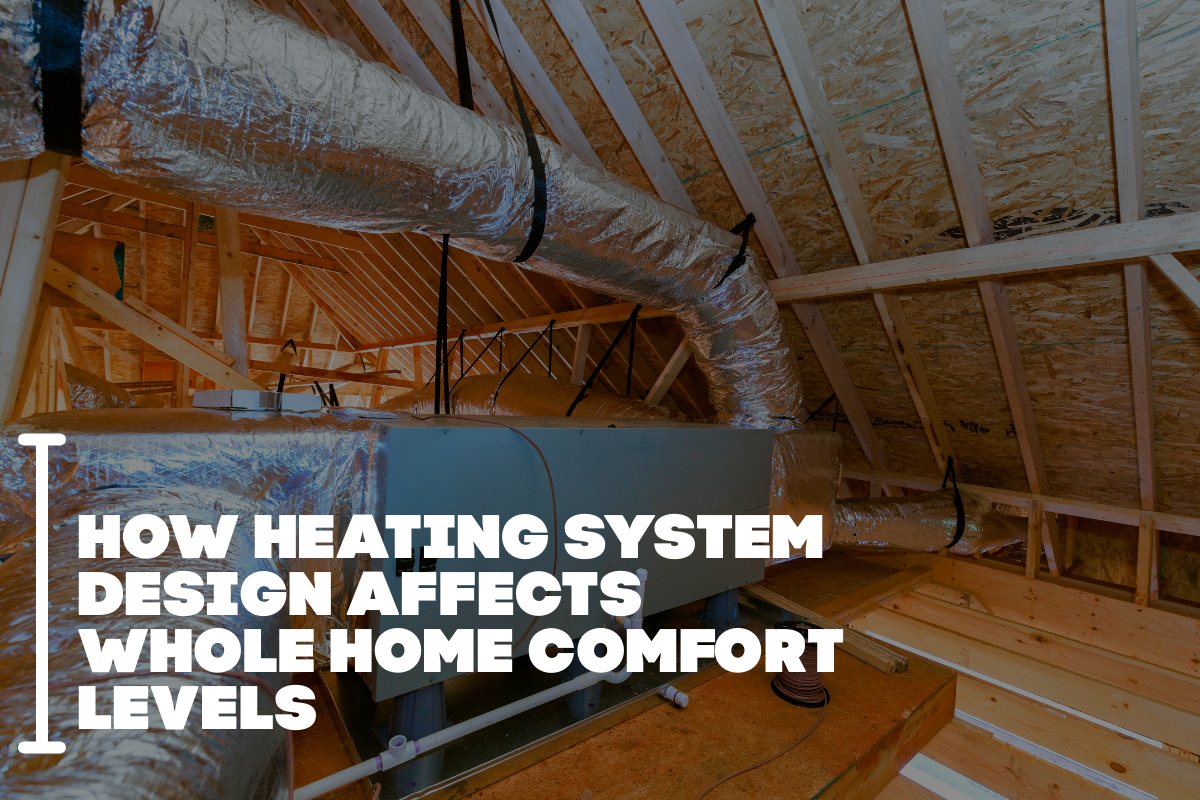
One of the most common causes of declining efficiency is restricted airflow. Dirty or clogged air filters limit the amount of warm air that can circulate through the home. Similarly, dust and debris in ductwork reduce distribution efficiency.
When airflow is restricted:
- The system runs longer to reach set temperatures
- Energy consumption increases
- Components experience added strain
Over time, poor airflow not only wastes energy but also accelerates wear on motors and heat exchangers.
Heat Loss From Poor Combustion or Heat Transfer
For furnaces and boilers, seasonal maintenance ensures proper combustion and heat transfer. Dirty burners, soot buildup, or misaligned components reduce how effectively fuel is converted into usable heat.
In systems like heat pumps, unmaintained coils and refrigerant imbalances limit heat absorption and transfer. As efficiency drops, the system compensates by running longer cycles, increasing utility costs and reducing overall lifespan.
Mechanical Wear and Friction
Heating systems contain moving parts—fans, motors, bearings, and pumps—that require lubrication and adjustment. Without maintenance, friction increases due to dirt buildup or dried lubrication.
Increased friction means:
- Higher electrical demand
- Slower response times
- Greater risk of mechanical failure
What begins as a minor efficiency loss can turn into a costly repair if wear continues unchecked.
Inaccurate Controls and Thermostat Drift
Thermostats and control systems can drift out of calibration over time. If sensors are inaccurate, the heating system may cycle too frequently or run longer than necessary.
Seasonal maintenance includes testing and calibrating controls to ensure the system responds accurately to temperature demands. Without this step, heating efficiency declines quietly through unnecessary runtime and uneven comfort.
Hidden Leaks and Insulation Issues
Small leaks in ductwork or hydronic piping often go unnoticed without inspection. These leaks allow heated air or water to escape before reaching living spaces, forcing the system to work harder.
Maintenance inspections help identify and seal leaks, ensuring that heat produced by the system is delivered efficiently throughout the home.
Increased Energy Consumption and Operating Costs
All of these factors—restricted airflow, poor heat transfer, mechanical wear, and control issues—compound over time. The result is higher energy consumption for the same or even reduced comfort.
Homeowners may notice:
- Rising heating bills
- Longer warm-up times
- Inconsistent room temperatures
These are clear signs that efficiency has declined due to lack of maintenance.
Long-Term Impact on System Lifespan
Efficiency loss does not occur in isolation. As the system works harder to compensate, stress increases across components. This shortens the overall lifespan of the heating system and increases the likelihood of mid-season breakdowns.
Seasonal maintenance protects not only efficiency but also the long-term reliability and value of the heating investment.
FAQs
How often should heating maintenance be performed?
Heating systems should be professionally inspected and serviced once a year, ideally before the cold season begins.
Can skipping maintenance really increase energy bills?
Yes. Even minor efficiency losses can significantly raise energy consumption over an entire heating season.
Are filter changes enough to maintain efficiency?
Filter changes help, but full maintenance includes inspections, cleaning, lubrication, and control calibration that filters alone cannot address.
What are early signs of declining heating efficiency?
Longer run times, uneven heating, higher utility bills, and unusual noises often indicate efficiency loss.
Does maintenance prevent unexpected breakdowns?
Yes. Seasonal maintenance identifies small issues early, reducing the risk of major failures during peak heating demand.