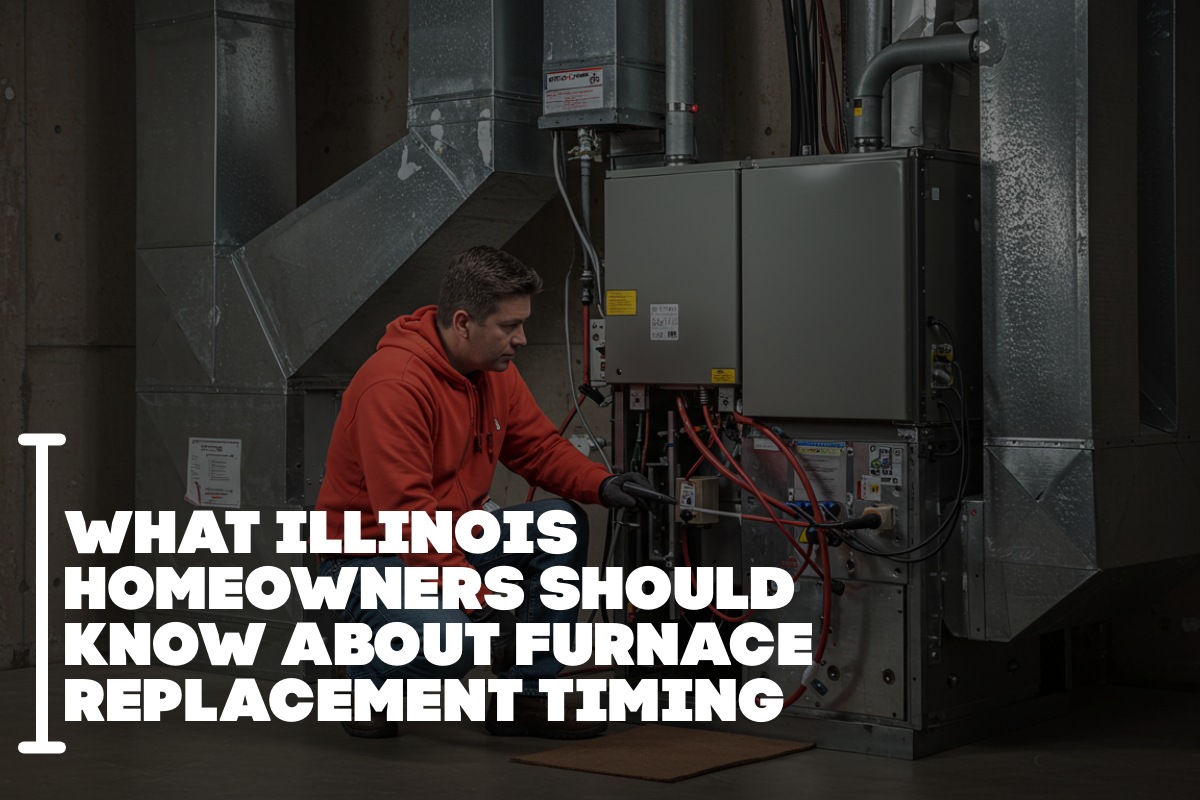
For homeowners in Illinois, furnace replacement timing is more than a budgeting decision—it’s a comfort, safety, and efficiency issue shaped by long winters and unpredictable temperature swings. Knowing when to replace a furnace, rather than waiting for a full breakdown, can help avoid emergency costs and uncomfortable downtime during the coldest months.
Understanding the Typical Lifespan of a Furnace
Most residential furnaces are designed to last between 15 and 20 years. In Illinois, where furnaces often run for extended periods from fall through early spring, wear and tear can accumulate faster than in milder climates. Age alone doesn’t mean immediate replacement is necessary, but it does signal the need for closer monitoring.
If a furnace is approaching the 15-year mark, homeowners should begin planning for replacement—even if the system is still functioning. This allows time to research options, compare quotes, and schedule installation under favorable conditions.
Why Timing Matters More in Cold Climates
Illinois winters are not forgiving. A furnace failure in January or February often turns into an emergency replacement, which limits choices and can increase costs. Contractors are busiest during peak cold snaps, and homeowners may feel pressured to accept the fastest available option rather than the best long-term solution.
Replacing a furnace proactively—before it fails—reduces stress and ensures the home remains warm and safe throughout winter. Timing replacement around system performance rather than breakdowns is especially important in regions with sustained cold.
Warning Signs That Replacement May Be Near
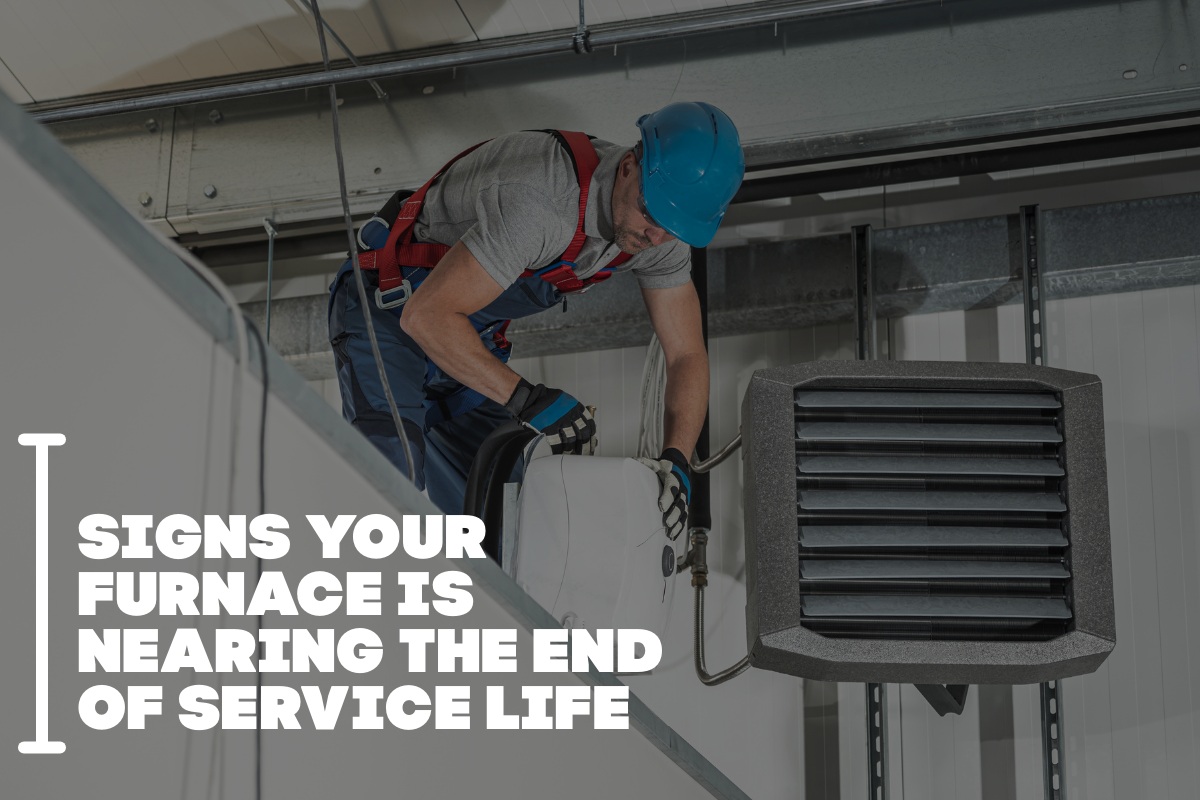
Several indicators suggest a furnace may be nearing the end of its useful life. Rising energy bills without changes in usage often signal declining efficiency. Frequent repairs, uneven heating, strange noises, or persistent cycling issues are also red flags.
Another critical factor is safety. Older furnaces may develop cracked heat exchangers, increasing the risk of carbon monoxide exposure. If repairs are becoming frequent or costly, replacement is often the safer and more economical choice.
The Best Seasons for Furnace Replacement
Late spring and early fall are generally the best times to replace a furnace in Illinois. During these shoulder seasons, HVAC demand is lower, scheduling is easier, and homeowners have more time to evaluate options. Some contractors also offer seasonal incentives or promotions during slower periods.
Waiting until winter can significantly reduce flexibility. While emergency replacements are sometimes unavoidable, planning ahead offers more control over cost, efficiency ratings, and installation timing.
Energy Efficiency and Long-Term Savings
Modern furnaces are far more energy-efficient than older models. High-efficiency systems can significantly reduce heating costs over time, which is particularly important in Illinois where heating expenses make up a large portion of annual utility bills.
Replacing an aging furnace before total failure allows homeowners to choose a system that fits their home size, insulation level, and usage patterns—maximizing comfort and efficiency rather than settling for a rushed decision.
Planning Ahead for a Smoother Transition
Smart furnace replacement timing starts with regular maintenance and professional inspections. Annual checkups help identify declining performance early and provide realistic timelines for replacement planning.
Budgeting in advance, understanding financing options, and knowing what efficiency level makes sense for your home all reduce the stress associated with replacement. A planned transition is almost always more cost-effective and comfortable than a reactive one.
FAQs
How long do furnaces typically last in Illinois?
Most furnaces last 15–20 years, though heavy seasonal use in cold climates can shorten that range.
Is it better to replace a furnace before it breaks?
Yes. Proactive replacement avoids emergency costs, limited choices, and winter downtime.
What time of year is best for furnace replacement?
Late spring and early fall are ideal because HVAC demand is lower and scheduling is more flexible.
Are higher-efficiency furnaces worth it in Illinois?
Often yes. Given long heating seasons, energy savings can offset higher upfront costs over time.
What’s the biggest risk of waiting too long to replace a furnace?
Unexpected winter failure, higher repair costs, safety concerns, and rushed decision-making are the biggest risks.