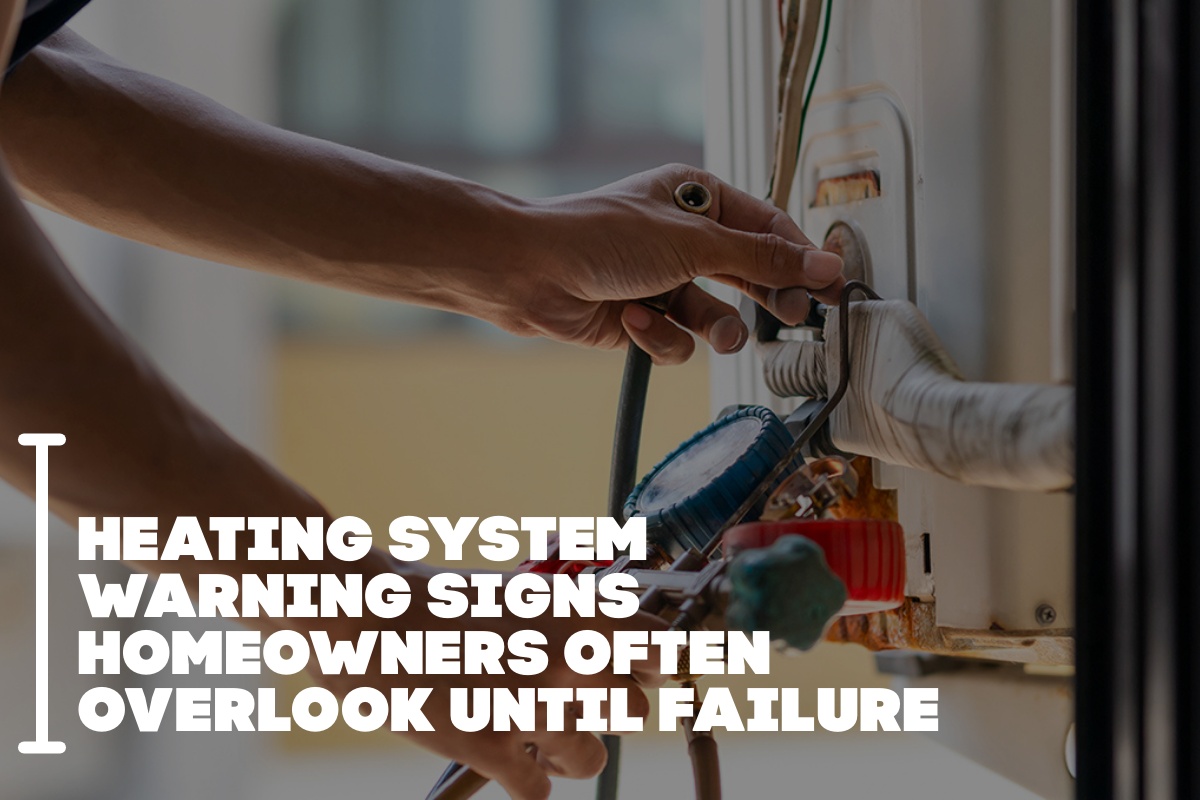
A home heating system is easy to take for granted—until it stops working. Many system failures don’t happen suddenly; they are usually the result of small warning signs that go unnoticed or ignored over time. Recognizing these early indicators can help homeowners avoid unexpected breakdowns, costly repairs, and uncomfortable living conditions, especially during colder months.
Unusual Noises Coming From the System
Heating systems typically operate with a low, consistent sound. When new noises appear—such as banging, rattling, squealing, or grinding—they often signal mechanical issues. These sounds may be caused by loose components, worn belts, ignition problems, or airflow restrictions.
Because the system may still produce heat, homeowners often dismiss these noises. However, ignoring them can allow minor issues to escalate into major component failures.
Inconsistent or Uneven Heating
If some rooms feel much warmer or colder than others, it may indicate a developing problem. Uneven heating can result from clogged filters, failing thermostats, ductwork leaks, or a system struggling to distribute heat efficiently.
Many homeowners assume uneven temperatures are normal in older homes, but this symptom often points to reduced system performance that can worsen over time.
Rising Energy Bills Without Increased Usage
A sudden or gradual increase in heating costs—without changes in usage or weather patterns—is a common but overlooked warning sign. When a heating system becomes inefficient, it works harder and longer to maintain the desired temperature.
This inefficiency may stem from dirty components, aging parts, or calibration issues. While higher bills may seem like a normal seasonal fluctuation, they often indicate a system under strain.
Frequent Cycling On and Off
Short cycling occurs when a heating system turns on and off more frequently than normal. This behavior can be caused by thermostat problems, airflow issues, or overheating components.
Frequent cycling places excessive stress on the system and reduces overall efficiency. Because the home may still feel warm, homeowners often overlook this sign until a complete shutdown occurs.
Weak or Reduced Airflow
Weak airflow from vents is another subtle warning sign. It may be caused by blocked ducts, failing blower motors, or clogged filters.
Reduced airflow forces the heating system to operate longer to reach the set temperature, increasing wear and tear. Over time, this strain can lead to motor failure or overheating.
Persistent Dry Air or Dust Buildup
While heating systems naturally reduce humidity, excessive dryness or sudden increases in dust may indicate filtration or airflow problems. Poor air circulation can also signal duct leaks or internal system issues.
These signs are often attributed to seasonal changes, but they can point to inefficiencies that affect both comfort and system health.
Delayed Startup or Slow Heating Response
If your heating system takes longer than usual to start or struggles to warm your home, it may be experiencing ignition, sensor, or control issues. These delays often worsen gradually, making them easy to overlook.
Slow response times can place additional stress on components, increasing the likelihood of failure during peak demand.
Unusual Odors That Don’t Fade
While brief smells at the start of the heating season can be normal, persistent or strong odors are not. Burning smells may indicate dust buildup or electrical problems, while musty odors can signal moisture issues.
Ignoring persistent smells can be dangerous and may lead to serious mechanical or safety concerns.
Skipping Regular Maintenance
One of the biggest overlooked warning signs is the absence of routine maintenance. Heating systems that haven’t been inspected or serviced regularly are far more likely to fail unexpectedly.
Annual maintenance helps identify small problems early, ensuring components operate safely and efficiently throughout the heating season.
FAQs
Why do heating systems usually fail suddenly?
They often don’t fail suddenly—small warning signs are ignored until a critical component breaks down.
Are unusual noises always a serious problem?
Not always, but they should never be ignored. Many serious failures start with minor noises.
Can higher energy bills really indicate heating system trouble?
Yes. Rising costs often signal inefficiency caused by wear, dirty components, or system strain.
Is uneven heating a sign of system failure?
It can be an early warning sign of airflow, duct, or thermostat issues that may lead to failure if untreated.
How often should a heating system be professionally inspected?
At least once a year, ideally before the cold season begins.