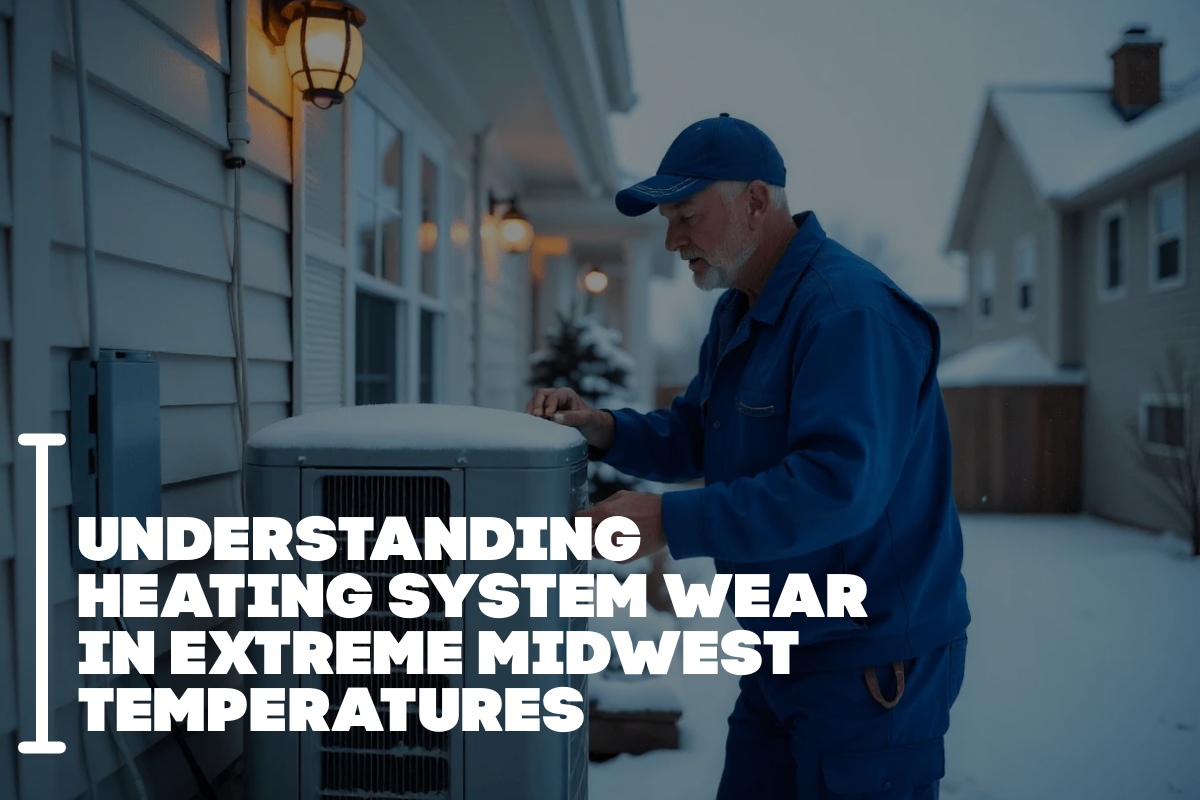
Extreme Midwest temperatures place unique and sustained demands on residential heating systems. Long winters, frequent cold snaps, and dramatic temperature swings mean heating equipment often runs harder and longer than in milder regions.
Over time, this constant strain accelerates wear, reduces efficiency, and increases the likelihood of breakdowns. Understanding how extreme cold affects heating systems helps homeowners take proactive steps to extend equipment life and maintain comfort during harsh winters.
Why Midwest Winters Are Especially Demanding
Midwest winters are characterized by prolonged periods of subfreezing temperatures, wind chills well below zero, and rapid shifts between mild and severe cold. Heating systems are not only required to produce consistent warmth but must do so continuously for weeks or months at a time.
Unlike regions with occasional cold spells, Midwest systems experience sustained operation with minimal rest cycles. This extended runtime increases mechanical stress, fuel consumption, and overall system fatigue, making wear more pronounced and cumulative.
Increased Runtime and Component Fatigue
One of the primary causes of heating system wear in extreme cold is increased runtime. Furnaces and boilers must cycle more frequently or run almost nonstop to maintain indoor temperatures when outdoor conditions are severe.
Key components such as burners, heat exchangers, blower motors, and ignition systems experience repeated use under high load. Over time, this leads to metal fatigue, electrical wear, and reduced reliability. Even high-quality systems can degrade faster when consistently pushed to their operational limits.
Impact of Cold Air on System Efficiency
Extreme cold affects not only how long heating systems run but also how efficiently they operate. Colder intake air requires more energy to heat to desired indoor temperatures, increasing fuel usage and strain on combustion components.
In addition, very low temperatures can thicken lubricants in motors and fans, causing increased friction during startup. This extra resistance places stress on moving parts and can shorten their lifespan if not properly maintained.
Stress on Ductwork and Air Distribution
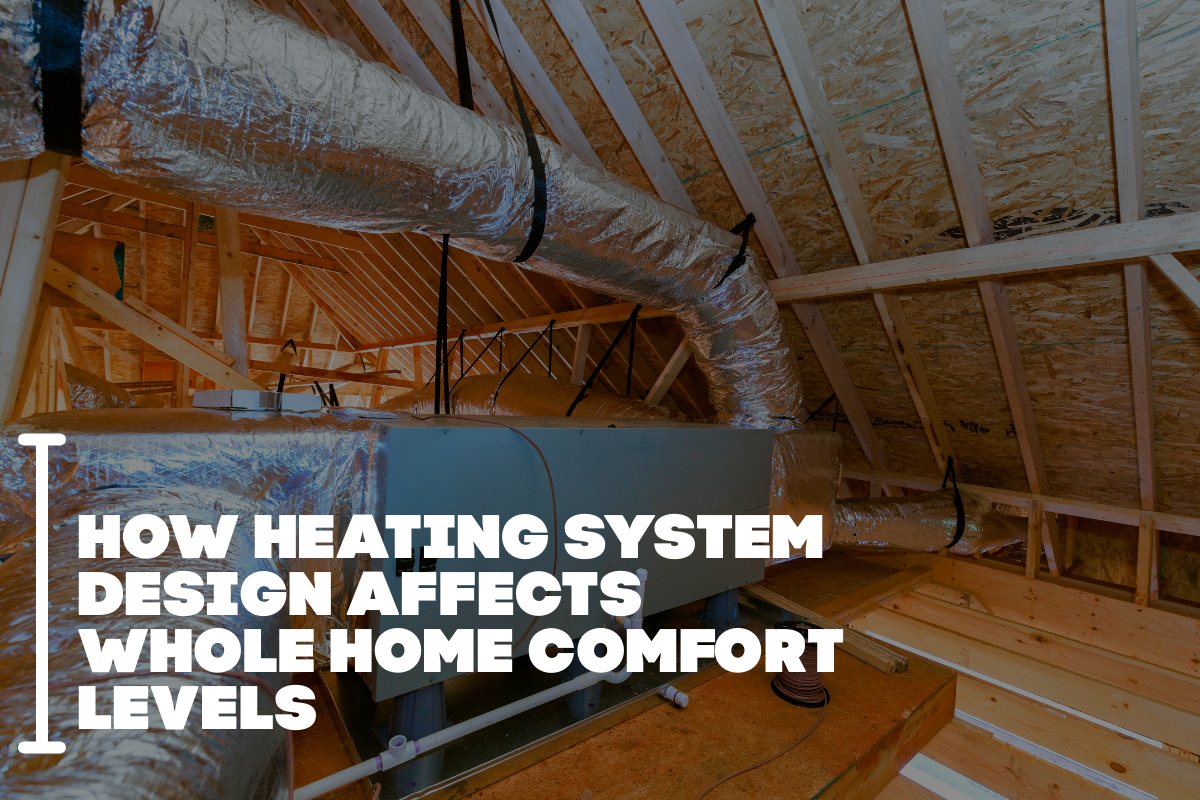
Heating system wear is not limited to the main unit. Ductwork also experiences stress during extreme temperature conditions. Metal ducts expand and contract as temperatures fluctuate, which can loosen joints, create small leaks, or worsen existing gaps.
Leaky or poorly insulated ducts force heating systems to work harder to deliver consistent warmth, further increasing wear. Over time, uneven heating, airflow restrictions, and pressure imbalances can develop, reducing comfort and efficiency.
Effects on Fuel and Electrical Components
Extreme Midwest cold can also impact fuel delivery and electrical performance. Natural gas pressure fluctuations, fuel oil thickening, or electrical voltage variations during winter storms can disrupt normal system operation.
Ignition systems, sensors, and control boards are particularly sensitive to cold-related electrical stress. Repeated cold starts and power interruptions increase the risk of component failure, especially in older systems or those lacking surge protection.
Moisture, Condensation, and Corrosion Risks
Cold temperatures combined with indoor heating create conditions where condensation can form within heating systems. When warm air meets cold surfaces, moisture may accumulate in vents, heat exchangers, or exhaust components.
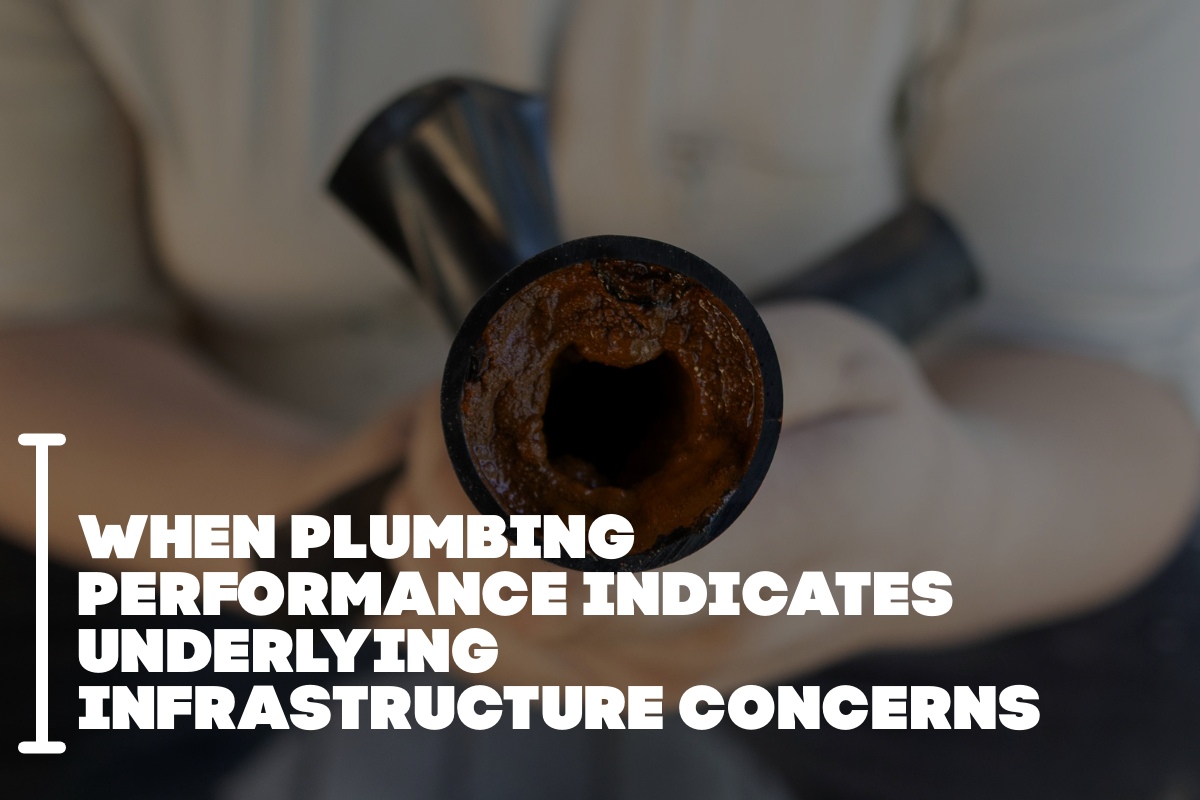
Over time, this moisture can lead to corrosion, rust, or mineral buildup, especially in high-efficiency systems that produce condensate as part of normal operation. Corrosion weakens components and reduces heat transfer efficiency, accelerating overall system wear.
The Role of Maintenance in Reducing Winter Wear
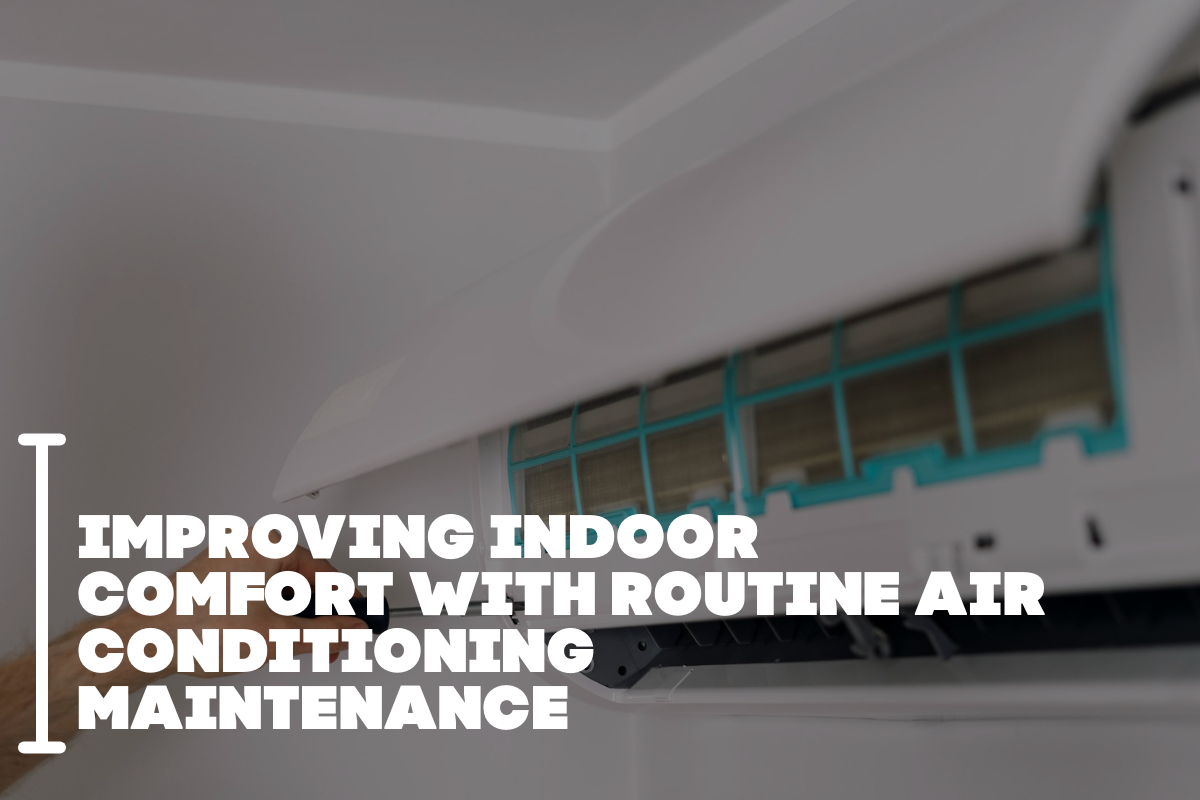
Regular maintenance is one of the most effective ways to reduce heating system wear in extreme Midwest temperatures. Seasonal inspections help identify worn parts, airflow issues, and efficiency losses before they lead to system failure.
Cleaning burners, replacing filters, lubricating moving parts, and checking safety controls ensure the system operates as efficiently as possible under heavy demand. Preventive maintenance reduces strain, improves performance, and extends equipment lifespan.
Preparing Heating Systems for Long-Term Resilience
Homeowners in extreme cold regions benefit from viewing heating systems as long-term investments rather than seasonal utilities. Proper insulation, smart thermostat use, and timely upgrades all help reduce unnecessary wear.
By minimizing heat loss and optimizing system performance, heating equipment can meet winter demands without operating at maximum stress continuously. This balanced approach improves reliability during the coldest months and reduces unexpected breakdowns.
FAQs
Why do heating systems wear out faster in the Midwest?
Prolonged subzero temperatures and continuous operation place extra stress on system components, accelerating wear.
Which heating system parts are most affected by extreme cold?
Heat exchangers, blower motors, burners, and control components experience the most strain during extended cold periods.
Can frozen ground affect heating systems?
Yes, frozen or shifting ground can impact venting, gas lines, and condensate drains connected to heating equipment.
How can homeowners reduce winter-related heating wear?
Regular maintenance, filter changes, proper insulation, and airflow optimization help reduce system strain.
When should heating systems be inspected in cold climates?
Inspections should ideally occur before winter begins to ensure systems are prepared for extreme temperatures.