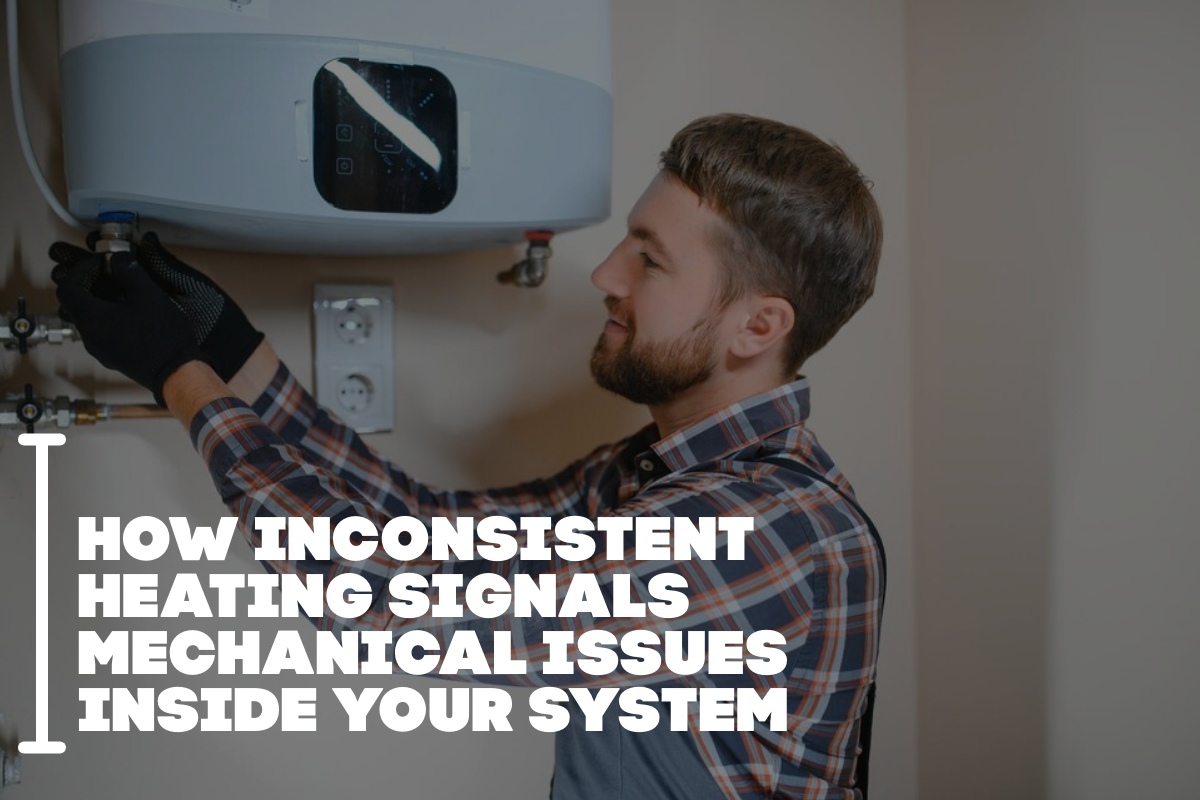
Inconsistent heating is more than just an annoyance—it’s often your heating system’s way of signaling that something isn’t working as it should. When some rooms feel too warm while others remain cold, or when temperatures fluctuate unexpectedly, these symptoms usually point to underlying mechanical or system-related problems. Understanding what inconsistent heating means can help you act early, prevent major breakdowns, and protect the long-term performance of your heating system.
Uneven Heat Distribution and Airflow Problems
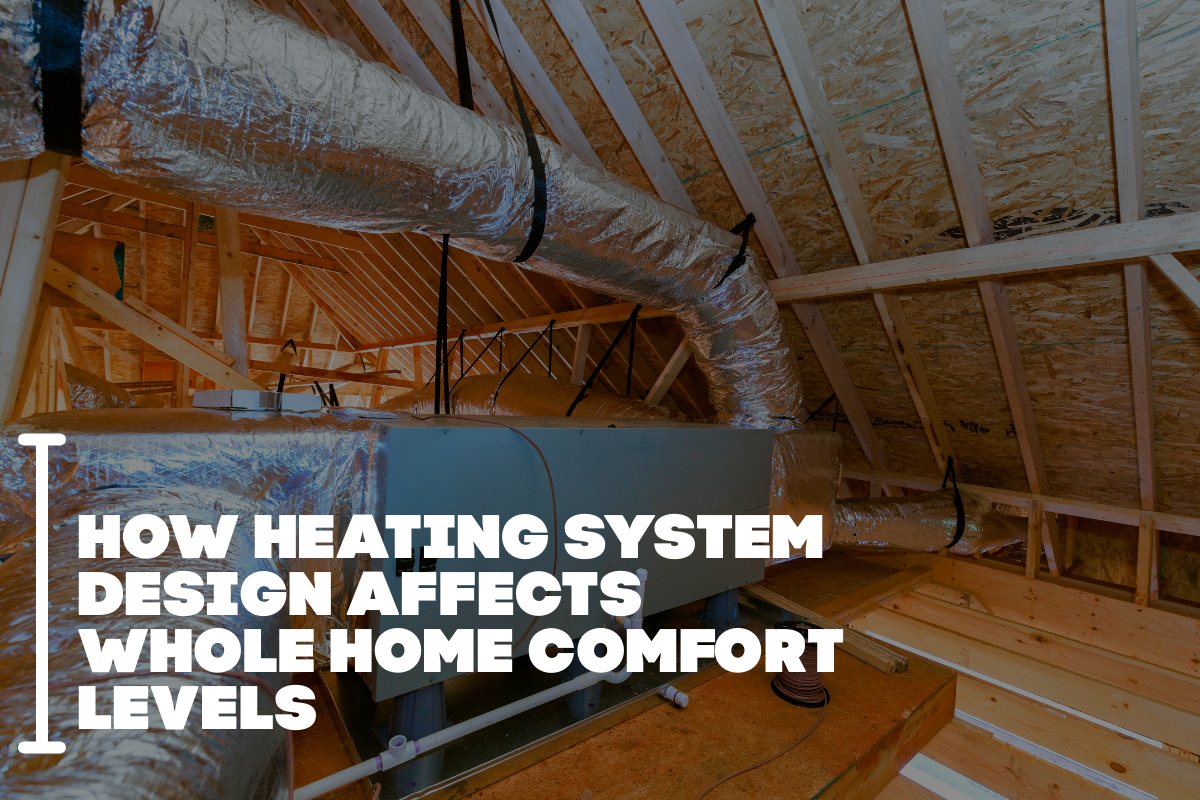
One of the most common causes of inconsistent heating is poor airflow. Heating systems rely on balanced air circulation to distribute warm air evenly throughout a space. When airflow is disrupted, some areas receive adequate heat while others do not.
This can be caused by clogged air filters, blocked vents, leaky ductwork, or failing blower motors. Over time, restricted airflow forces the system to work harder to maintain set temperatures, increasing wear on internal components. Left unresolved, these issues can lead to overheating, system shutdowns, or premature equipment failure.
Thermostat Malfunctions and Calibration Issues
The thermostat acts as the control center of your heating system. If it’s malfunctioning or improperly calibrated, it may send incorrect signals to the system. This can cause the heater to cycle on and off too frequently or fail to run long enough to heat the space evenly.
Inconsistent heating may also occur if the thermostat is installed in a poor location, such as near drafts, direct sunlight, or heat-producing appliances. These false readings can trick the system into responding inaccurately, leading to temperature imbalances and inefficient operation.
Aging or Failing Mechanical Components
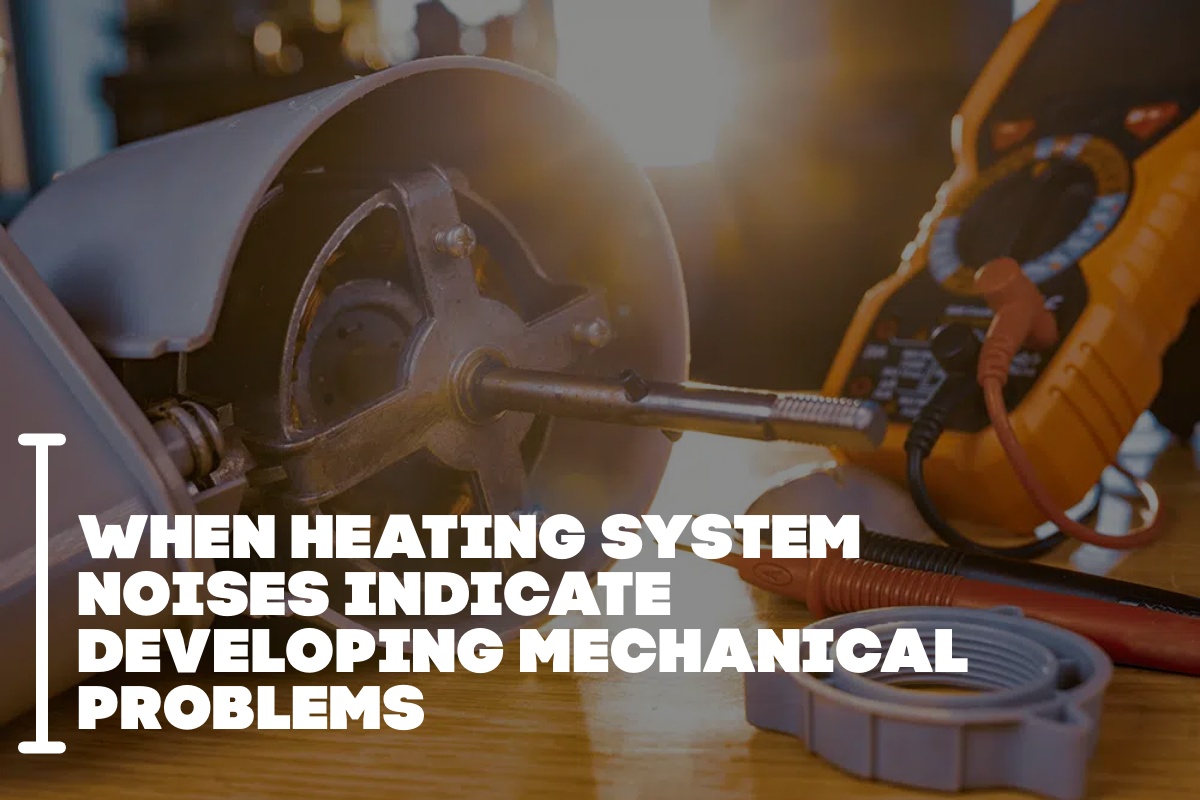
Heating systems contain multiple mechanical parts that must work together seamlessly. Components such as heat exchangers, valves, ignition systems, and motors naturally degrade over time. When one part begins to fail, it can disrupt the entire heating process.
For example, a worn blower motor may struggle to push warm air through the system, while a failing heat exchanger may not produce consistent heat output. These mechanical inefficiencies often appear first as uneven or unreliable heating before progressing into more serious and costly failures.
Ductwork Damage and Heat Loss
Ductwork plays a crucial role in delivering warm air to different areas of a building. Cracks, loose connections, or poorly insulated ducts can allow heat to escape before reaching its destination. As a result, rooms farther from the heating unit may feel noticeably cooler.
Duct leaks not only cause inconsistent heating but also reduce overall system efficiency. The heating unit compensates by running longer cycles, increasing energy consumption and mechanical strain. Over time, this added stress can shorten the lifespan of the system.
System Oversizing or Undersizing
Inconsistent heating can also be a sign that the system is not properly sized for the space. An oversized system may heat areas too quickly and shut off before warmth is evenly distributed. An undersized system, on the other hand, may struggle to reach desired temperatures at all.
Both scenarios lead to uneven comfort and excessive cycling, which accelerates wear on internal components. Proper system sizing is essential for consistent heating, energy efficiency, and long-term reliability.
Maintenance Neglect and System Imbalance
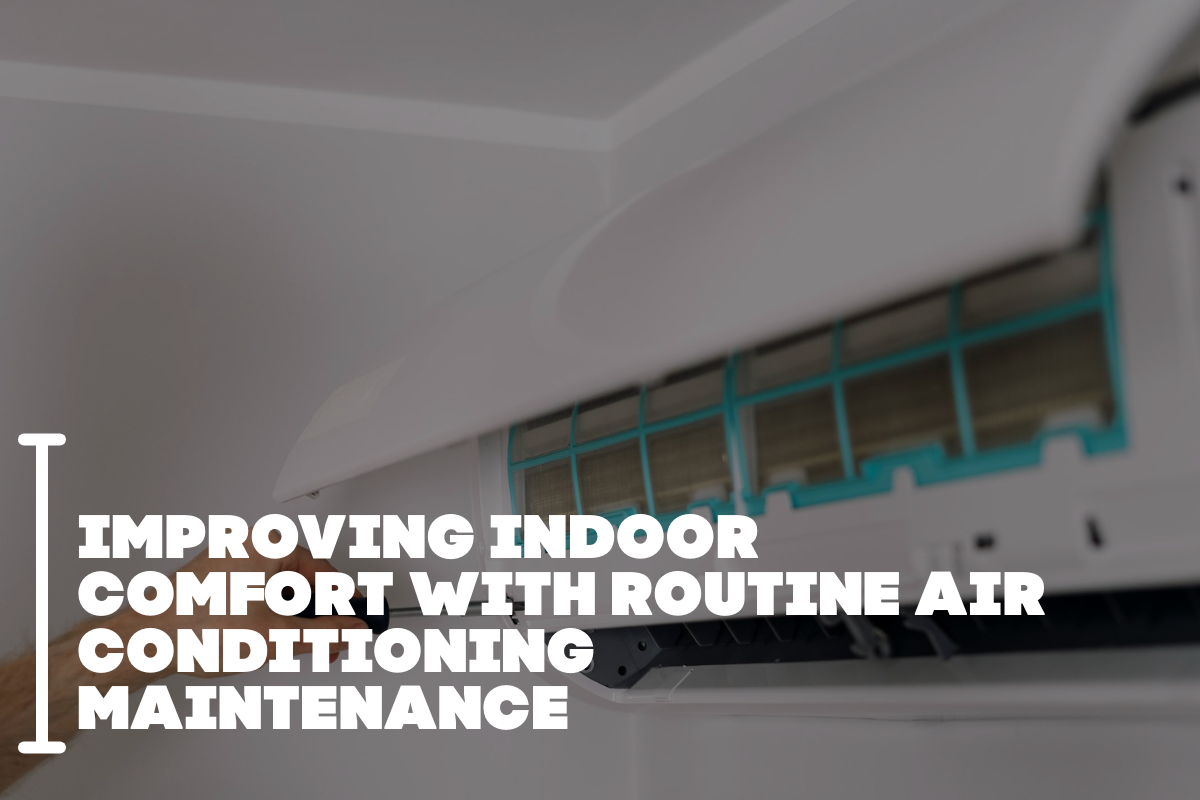
Regular maintenance keeps heating systems operating in balance. When maintenance is skipped, small issues like dirty burners, worn belts, or unlubricated motors can compound into noticeable performance problems.
Inconsistent heating is often one of the earliest warning signs of neglected maintenance. Routine inspections help identify mechanical imbalances before they affect comfort or cause system breakdowns. Addressing these issues early helps preserve system integrity and avoid emergency repairs.
Long-Term Risks of Ignoring Inconsistent Heating
Ignoring inconsistent heating doesn’t just compromise comfort—it increases the risk of system failure. Mechanical components under constant stress are more likely to break unexpectedly, often during peak usage periods. Additionally, inefficient operation leads to higher energy costs and reduced system lifespan.
By responding promptly to uneven heating, property owners can correct mechanical issues early, maintain consistent comfort, and protect their investment in the heating system.
FAQs
What is the most common cause of inconsistent heating?
Airflow issues, such as dirty filters or duct leaks, are among the most common causes of uneven heating.
Can inconsistent heating damage my system?
Yes. It often indicates mechanical strain, which can accelerate wear and lead to system failure if left unaddressed.
Is inconsistent heating always a mechanical problem?
Not always, but it frequently points to mechanical, airflow, or control-related issues that require professional inspection.
How often should heating systems be checked for issues?
Annual professional inspections are recommended, especially before the heating season begins.
Can regular maintenance prevent inconsistent heating?
Yes. Routine maintenance helps keep components balanced, airflow clear, and system controls functioning correctly.