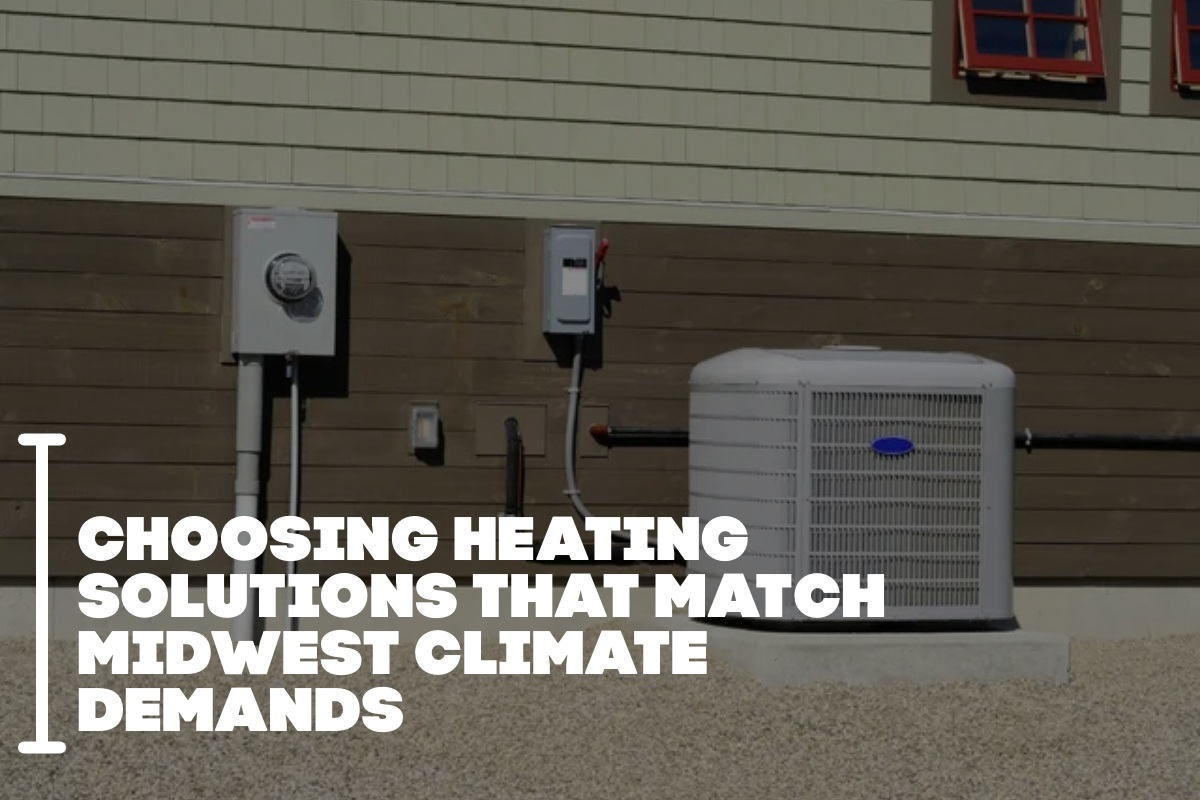
The Midwest is known for its dramatic seasonal shifts, especially long, cold winters marked by freezing temperatures, snow, and icy winds. Choosing the right heating solution in this region is not just about comfort—it’s about reliability, efficiency, and long-term cost control.
Heating systems must perform consistently under extreme conditions while keeping energy use manageable. Understanding how different heating options align with Midwest climate demands helps homeowners make smarter, more resilient choices.
Understanding Midwest Climate Challenges
Midwest winters are typically prolonged and severe, with temperatures often dropping well below freezing for extended periods. These conditions place heavy, continuous demand on heating systems. Homes require solutions that can deliver steady heat, recover quickly after temperature drops, and operate efficiently during long run times.
In addition, fluctuating shoulder seasons—where temperatures swing between cold and mild—require systems that can adjust output without wasting energy. Heating solutions must balance power with flexibility.
Gas Furnaces as a Reliable Core Option
Gas furnaces remain one of the most common and reliable heating solutions in the Midwest. They are well-suited to cold climates because they can generate high heat output quickly, even during extreme cold snaps.
Modern high-efficiency furnaces offer improved fuel utilization, reducing energy waste and lowering heating bills. For homes with access to natural gas, furnaces provide consistent performance and dependable warmth throughout the winter months.
Cold-Climate Heat Pumps and Hybrid Systems
Advancements in heat pump technology have expanded their viability in colder regions. Cold-climate heat pumps are designed to operate efficiently at much lower outdoor temperatures than earlier models.
In the Midwest, hybrid heating systems—also known as dual-fuel systems—are increasingly popular. These systems combine a heat pump with a gas furnace. The heat pump handles milder temperatures efficiently, while the furnace activates during extreme cold. This pairing maximizes efficiency without sacrificing reliability.
Importance of Proper Sizing and System Design
No heating system performs well if it is improperly sized. Oversized systems cycle on and off too frequently, reducing efficiency and comfort. Undersized systems struggle to maintain indoor temperatures during peak cold.
Professional load calculations that consider home size, insulation levels, air sealing, and window quality are essential. A properly designed system ensures consistent heat delivery and reduces strain on equipment during harsh Midwest winters.
Insulation and Air Sealing as Heating Multipliers
Heating performance in the Midwest is heavily influenced by the building envelope. Even the most advanced heating system cannot compensate for poor insulation or excessive air leakage.
Upgrading insulation in attics, walls, and basements—along with sealing drafts around doors and windows—dramatically reduces heat loss. These improvements allow heating systems to operate more efficiently, maintain stable indoor temperatures, and reduce overall energy consumption.
Zoning and Smart Controls for Temperature Swings
Midwest homes often experience uneven heating due to layout, multi-level designs, or exposure to wind. Zoning systems allow different areas of the home to be heated independently, improving comfort and efficiency.
Smart thermostats further enhance control by adjusting heating output based on schedules, occupancy, and outdoor conditions. These tools help manage energy use during fluctuating Midwest weather without constant manual adjustments.
Planning for Energy Costs and Fuel Availability
Energy prices and fuel availability vary across the Midwest. Natural gas is common in many areas, while others rely on electricity or propane. Choosing a heating system should involve evaluating long-term operating costs, not just installation price.
Energy-efficient systems may cost more upfront but often deliver substantial savings over time, especially in regions with long heating seasons.
Preparing for Reliability and Extreme Weather
Winter storms and extreme cold can strain infrastructure. Reliable heating solutions should include considerations such as backup power options, system durability, and ease of maintenance.
Regular servicing and proactive inspections are especially important in the Midwest to ensure systems are ready for sustained winter operation.
FAQs
What is the best heating system for Midwest winters?
High-efficiency gas furnaces and hybrid heat pump systems are among the most effective options for Midwest climates.
Are heat pumps effective in very cold weather?
Cold-climate heat pumps can perform well, especially when paired with a backup furnace in hybrid systems.
How important is insulation in heating efficiency?
Extremely important. Good insulation and air sealing significantly reduce heat loss and energy costs.
Should Midwest homes consider zoning systems?
Yes. Zoning improves comfort and efficiency, especially in larger or multi-level homes.
How often should heating systems be inspected?
Annual inspections are recommended, ideally before the winter season begins.
Choosing heating solutions that match Midwest climate demands requires balancing power, efficiency, and adaptability. With the right system design, insulation, and controls, homeowners can stay warm, manage energy costs, and maintain comfort through even the harshest winters.