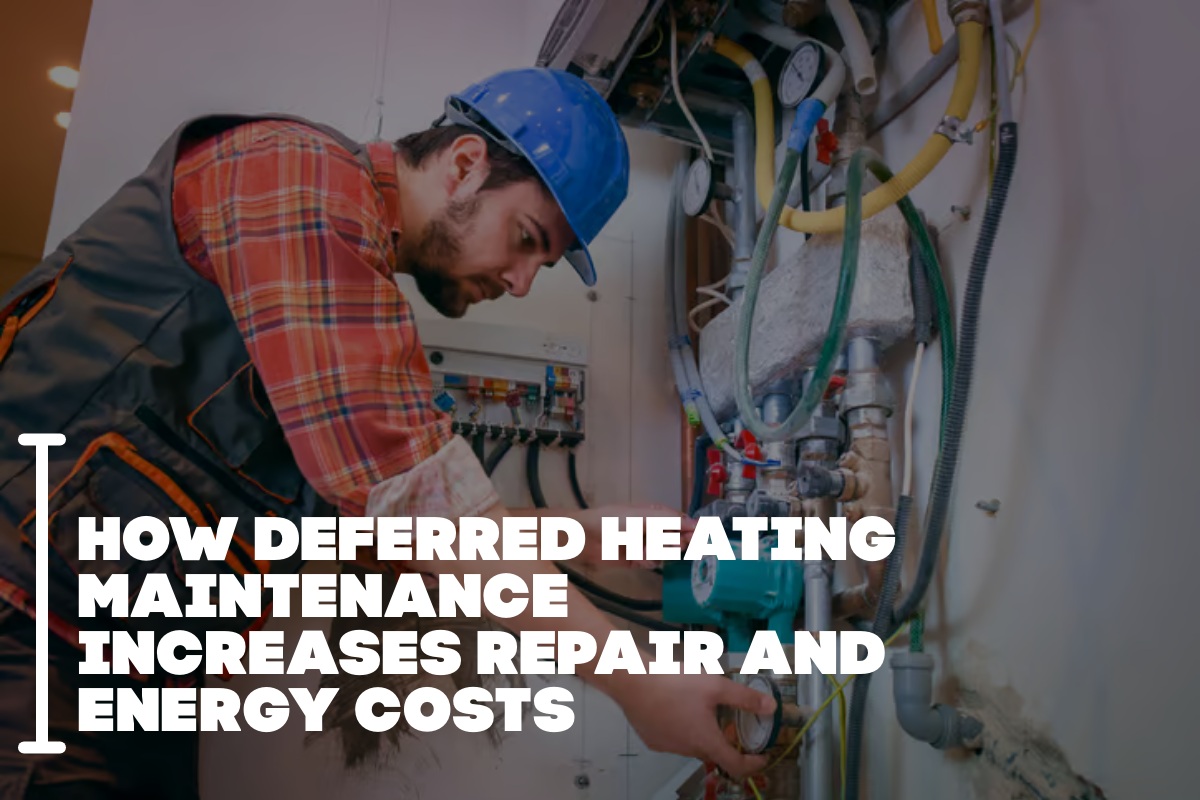
Heating systems are essential for maintaining comfort, safety, and operational continuity in residential and commercial buildings. However, routine maintenance is often postponed until performance issues arise.
Deferred heating maintenance may seem cost-saving in the short term, but it frequently leads to higher repair bills, reduced efficiency, and increased energy consumption over time. Preventive care plays a critical role in controlling both operational and long-term costs.
Reduced System Efficiency
Heating systems naturally accumulate dust, debris, and wear over time. Without routine inspection and cleaning, these factors force the system to work harder to maintain the desired temperature.
- Dirty filters restricting airflow
- Dust buildup on burners or heating elements
- Blocked vents reducing heat distribution
When airflow is restricted, the system consumes more energy to generate the same level of heat, directly increasing utility bills.
Increased Component Wear and Tear
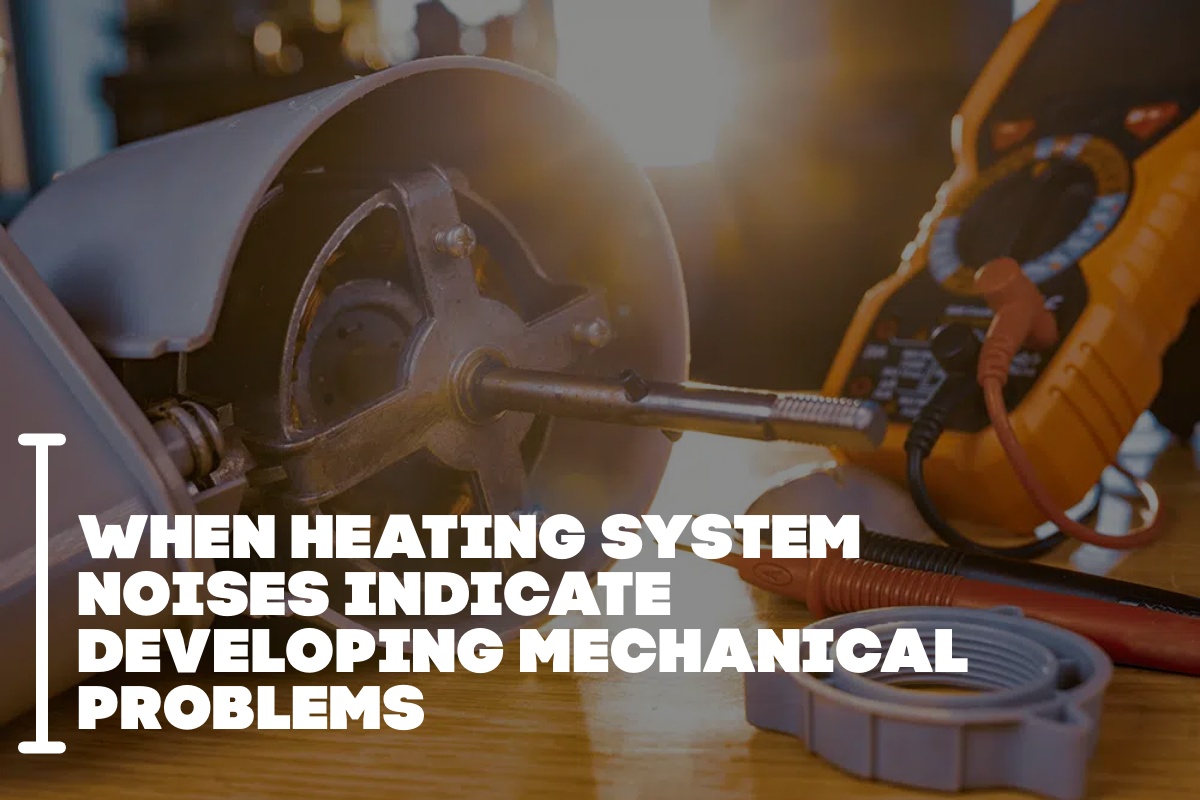
Heating systems contain moving parts such as motors, fans, belts, and bearings. Lack of lubrication and inspection accelerates deterioration.
- Overheating due to poor airflow
- Strained blower motors
- Cracked heat exchangers
Small mechanical issues, when left unresolved, often escalate into major component failures that require costly replacements.
Higher Emergency Repair Costs
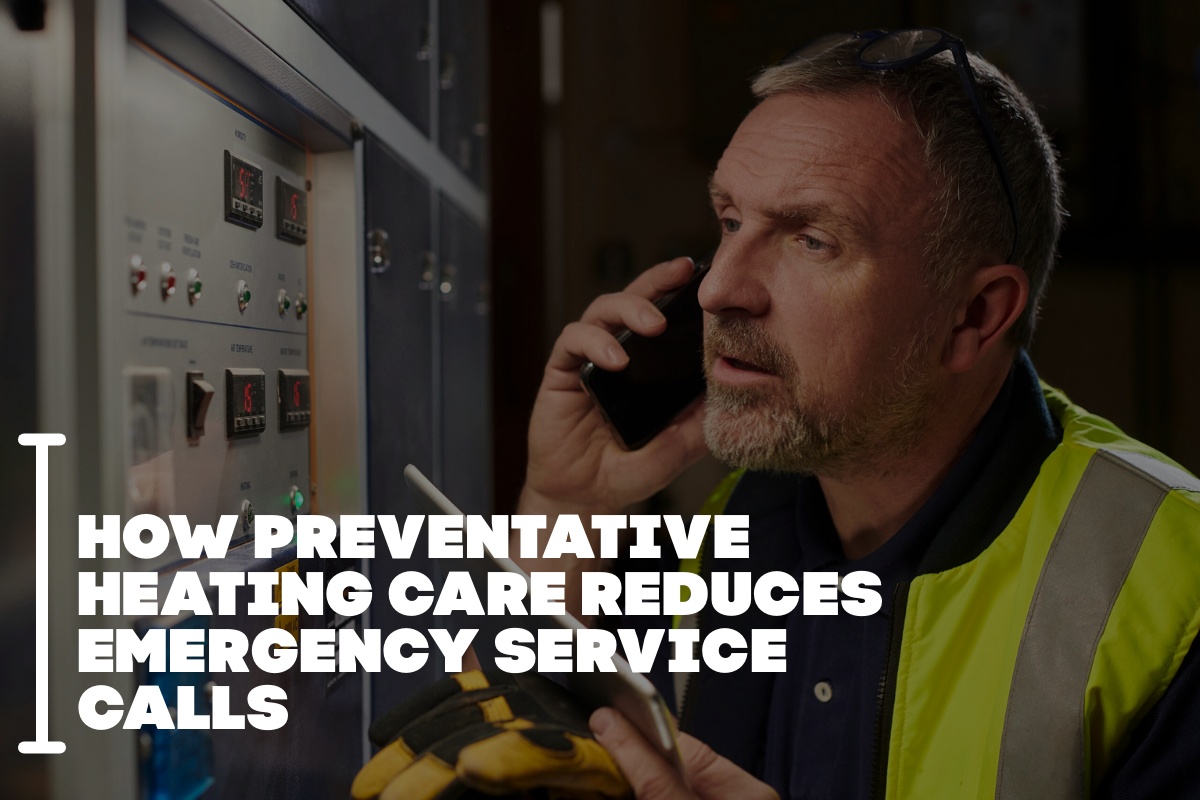
Deferred maintenance often leads to unexpected breakdowns during peak usage seasons. Emergency repairs typically involve higher service fees and expedited part replacements.
- After-hours or holiday service charges
- Replacement of major components instead of minor adjustments
- Extended downtime affecting comfort or operations
Preventive servicing significantly reduces the likelihood of sudden failures.
Shortened Equipment Lifespan
Heating systems are designed to last many years, but neglect reduces their operational life. Continuous strain and unresolved issues weaken internal components.
- Frequent cycling due to thermostat inaccuracies
- Corrosion within internal parts
- Stress from overheating
Replacing an entire heating system prematurely is far more expensive than maintaining it properly.
Increased Energy Consumption
Even minor inefficiencies compound over time. A poorly maintained heating system consumes more fuel or electricity to achieve the same output.
- Reduced combustion efficiency
- Improper thermostat calibration
- Leaking ductwork wasting heated air
Over a full heating season, these inefficiencies can significantly increase energy expenses.
Safety Risks and Hidden Costs
Deferred heating maintenance can also create safety hazards that result in additional financial burdens.
- Carbon monoxide leaks from damaged heat exchangers
- Electrical faults increasing fire risk
- Gas leaks due to worn connections
Addressing safety-related repairs is often more expensive and may involve liability concerns.
Cost Impact Comparison
| Maintenance Approach | Short-Term Cost | Long-Term Cost Impact |
|---|---|---|
| Regular Maintenance | Moderate annual service cost | Lower energy bills and fewer repairs |
| Deferred Maintenance | Minimal immediate expense | Higher repair bills and energy costs |
| Emergency Repairs | High unexpected cost | Possible system replacement |
Benefits of Preventive Heating Maintenance
- Improved energy efficiency
- Lower monthly utility expenses
- Reduced risk of breakdowns
- Extended equipment lifespan
- Enhanced indoor comfort and safety
Routine inspections, filter replacements, system cleaning, and professional servicing help ensure optimal performance throughout the heating season.
FAQs
How often should heating systems be serviced?
Most heating systems should be professionally inspected and serviced at least once per year, ideally before the heating season begins.
Can dirty filters really increase energy costs?
Yes. Clogged filters restrict airflow, forcing the system to work harder and consume more energy.
What is the most expensive repair caused by neglect?
Heat exchanger replacement or full system replacement are among the costliest outcomes of deferred maintenance.
Does maintenance extend the life of a heating system?
Yes. Regular servicing reduces strain on components and helps systems reach their full lifespan.
Is preventive maintenance cheaper than emergency repair?
Almost always. Routine maintenance costs are typically far lower than emergency breakdown repairs and system replacements.