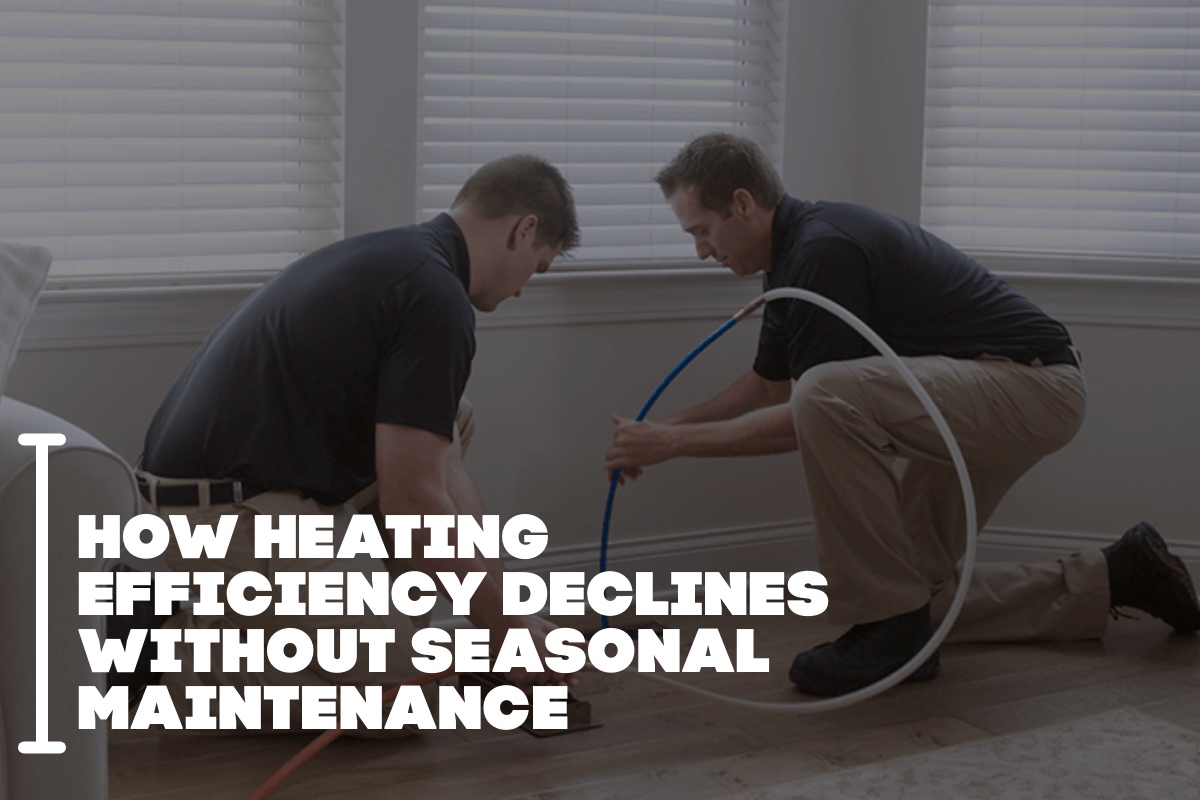
Heating systems play a critical role in maintaining indoor comfort during colder months. However, without regular seasonal maintenance, heating efficiency gradually declines. Reduced efficiency not only increases energy bills but also shortens system lifespan and raises the risk of unexpected breakdowns. Understanding how neglecting maintenance affects performance can help homeowners protect their investment and ensure reliable heating year after year.
Why Seasonal Maintenance Matters
Seasonal maintenance prepares heating systems for heavy use. Routine inspections identify minor issues before they become costly problems. Without maintenance:
- System performance decreases
- Energy consumption rises
- Air quality worsens
- Components wear out faster
Regular servicing keeps the system running efficiently and safely.
Clogged or Dirty Air Filters
Air filters trap dust, dirt, and debris. Over time, they become clogged.
| Problem | Impact on Efficiency |
|---|---|
| Restricted Airflow | System works harder |
| Increased Energy Use | Higher utility bills |
| Uneven Heating | Cold spots in rooms |
| Overheating Risk | Potential system shutdown |
A dirty filter forces the heating unit to operate longer cycles, reducing overall efficiency.
Dust Accumulation in Components
Dust buildup on internal components such as burners, coils, and heat exchangers interferes with heat transfer.
- Reduced heat output
- Longer heating cycles
- Increased fuel consumption
- Strain on blower motor
Clean components allow smooth airflow and optimal heat exchange.
Thermostat Calibration Issues
An improperly calibrated thermostat can cause:
- Inaccurate temperature readings
- Frequent on/off cycling
- Overheating or underheating
Seasonal maintenance ensures accurate thermostat settings for efficient operation.
Worn or Loose Mechanical Parts
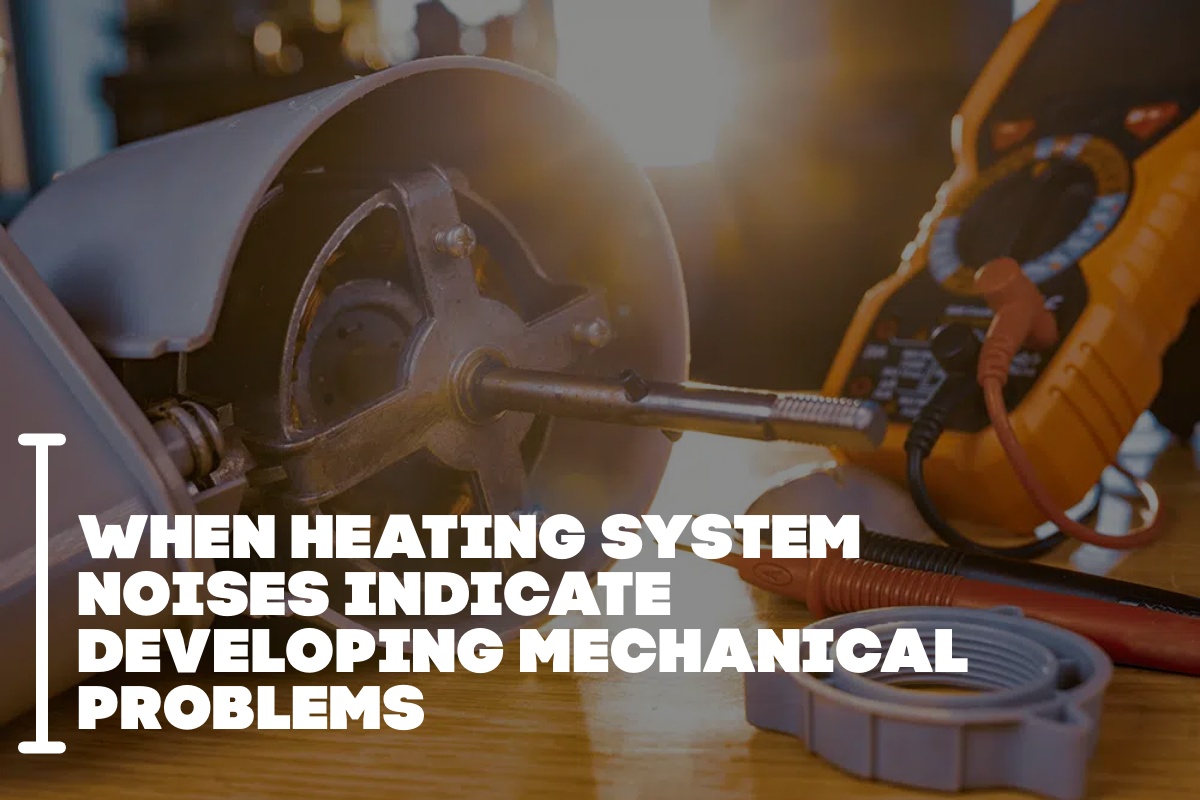
Over time, belts, bearings, and motors experience wear.
| Component | Consequence Without Maintenance |
|---|---|
| Blower Motor | Reduced airflow |
| Fan Belt | Slippage or breakage |
| Bearings | Increased friction |
| Electrical Connections | Energy loss or failure |
Routine inspection and lubrication reduce mechanical resistance and energy waste.
Reduced Combustion Efficiency (Gas Furnaces)
In gas or oil furnaces, improper burner cleaning leads to incomplete combustion.
- Lower heat output
- Increased fuel usage
- Carbon buildup
- Safety risks
Professional maintenance ensures safe and efficient fuel burning.
Heat Exchanger Issues
A dirty or damaged heat exchanger limits heat transfer efficiency.
- Slower room heating
- Higher operating time
- Increased stress on components
Cracks or corrosion can also pose safety hazards.
Air Duct Blockages and Leaks
Leaky or blocked ducts cause heated air to escape before reaching rooms.
Consequences include:
- Uneven heating
- Energy waste
- Higher heating bills
- Reduced comfort levels
Sealing and cleaning ducts improve airflow and efficiency.
Increased Energy Consumption Over Time
When multiple minor issues accumulate, the system must work harder to maintain the desired temperature. This results in:
- 10–25% efficiency loss (in many cases)
- Higher monthly energy costs
- Shortened system lifespan
- More frequent breakdowns
Preventive care significantly reduces long-term expenses.
Safety Risks Associated with Poor Maintenance
Neglecting maintenance can increase risks such as:
- Carbon monoxide leaks
- Electrical hazards
- Fire risks
- System overheating
Regular inspections protect both efficiency and safety.
Benefits of Seasonal Maintenance
| Benefit | Outcome |
|---|---|
| Improved Efficiency | Lower energy bills |
| Extended Lifespan | Fewer replacements |
| Better Air Quality | Healthier indoor environment |
| Reduced Repairs | Lower maintenance costs |
| Consistent Comfort | Stable indoor temperatures |
Investing in annual servicing ensures optimal performance.
FAQs
How often should heating systems be serviced?
Heating systems should be professionally serviced at least once a year, preferably before winter.
Can dirty filters really affect heating efficiency?
Yes, clogged filters restrict airflow and force the system to work harder.
Does maintenance reduce energy bills?
Yes, a well-maintained system consumes less energy and operates more efficiently.
Are duct leaks common causes of inefficiency?
Yes, leaky ducts waste heated air and increase energy costs.
Is seasonal maintenance expensive?
It is generally affordable and much cheaper than major repairs or system replacement.