As the cold season approaches, homeowners rely heavily on their furnaces to maintain a warm and cozy environment. Yet, many overlook one crucial aspect of furnace ownership—regular inspections. Just like any other appliance, your furnace requires routine maintenance to remain efficient, safe, and reliable.
A well-maintained furnace not only provides comfort but also saves money, reduces safety risks, and extends the unit’s lifespan. This article explores the key benefits of regular furnace inspections, what they include, and why preventive maintenance should be at the top of every homeowner’s seasonal checklist.
Understanding Furnace Inspections
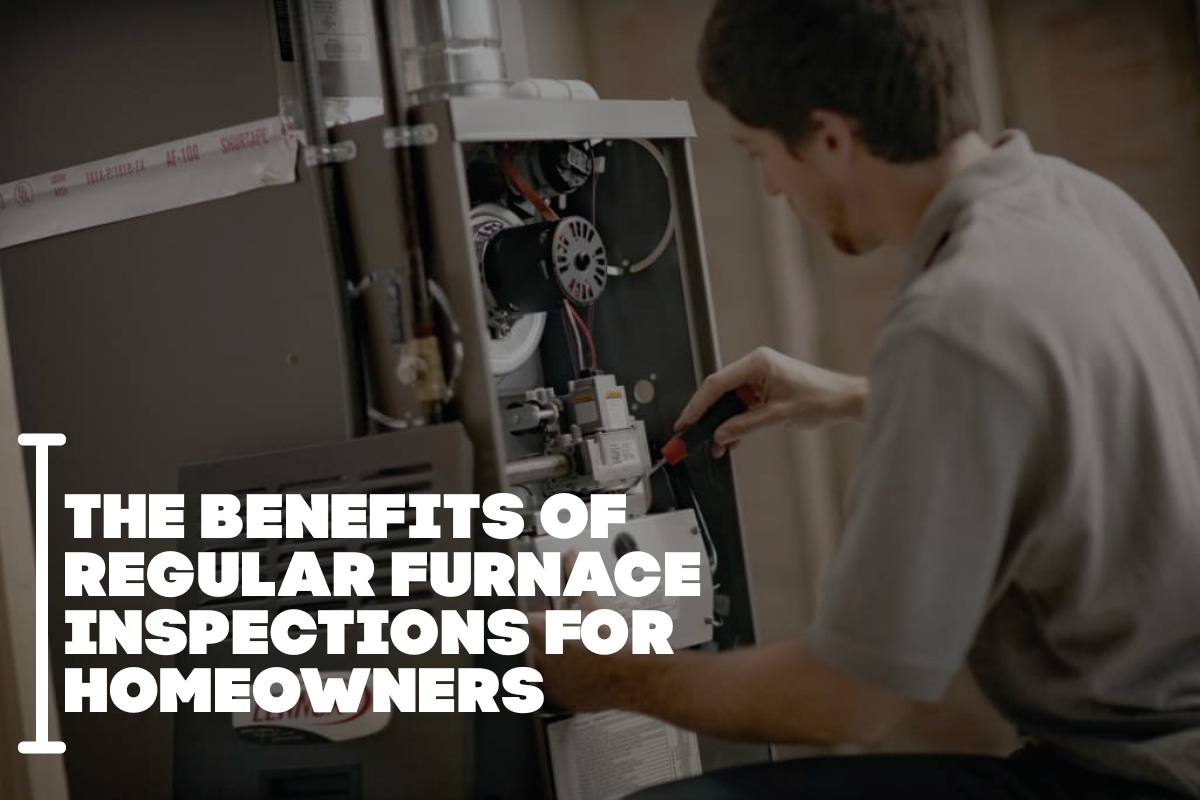
A furnace inspection is a comprehensive evaluation performed by a certified HVAC technician to ensure that all components operate safely and efficiently. Inspections generally involve cleaning, testing, and adjusting critical parts such as:
- The heat exchanger
- Burner assembly
- Ignition system
- Blower motor and fan
- Air filters and ducts
- Thermostat calibration
- Gas and electrical connections
This preventive maintenance step ensures that small issues are identified and corrected before they escalate into costly repairs or system failures.
Why Regular Furnace Inspections Matter
Many homeowners assume that if the furnace seems to work fine, there’s no need to check it. However, unseen issues often develop inside the system—accumulated dust, minor gas leaks, or worn parts—that can quietly undermine both safety and efficiency.
A regular inspection provides multiple long-term benefits:
- Enhanced Safety
Furnaces that run on natural gas or propane can pose serious risks if neglected. A cracked heat exchanger or loose connection can allow carbon monoxide—a colorless, odorless poison—to leak into your home. Regular inspections include safety checks for leaks, proper ventilation, and overall system integrity, safeguarding your family from potential hazards. - Improved Energy Efficiency
As dust and soot build up inside the furnace, the unit must work harder to produce the same amount of heat. During an inspection, technicians clean and lubricate key components, ensuring smooth operation and preventing excess strain on the motor. This optimization lowers energy consumption and, in turn, reduces monthly utility bills. - Extended Furnace Lifespan
Consistent maintenance can significantly extend the service life of your furnace. By preventing overuse and identifying early wear in components such as belts, fans, or wiring, regular inspections help avoid premature breakdowns. A well-maintained furnace can last 15–20 years, while neglected units may fail in under a decade. - Consistent Heating Performance
Nothing is more frustrating than uneven heating or weak airflow during winter. Regular inspections keep your system balanced and calibrated. Clean filters and blowers allow warm air to distribute evenly throughout your home, improving comfort in every room. - Reduced Repair Costs
Preventive inspections catch small issues—like a failing igniter or weak capacitor—before they escalate into expensive emergencies. Addressing minor faults during scheduled maintenance costs far less than repairing or replacing major components after a breakdown. - Warranty Compliance
Most furnace manufacturers require annual professional maintenance as part of their warranty terms. Skipping inspections might void your warranty, leaving you responsible for full repair or replacement costs.
What Happens During a Typical Furnace Inspection
Professional inspections are thorough and systematic. A technician will typically perform the following steps:
- Visual Inspection: Checking all major internal and external components for corrosion, cracks, or damage.
- System Cleaning: Removing debris or soot from burners, filters, and vents to improve airflow.
- Performance Testing: Measuring temperature rise, checking gas pressure, and testing ignition functionality.
- Electrical and Mechanical Checks: Inspecting fans, belts, and wiring for wear and ensuring tight electrical connections.
- Safety Testing: Examining the heat exchanger for cracks and testing for any carbon monoxide leaks.
- Thermostat Calibration: Ensuring your thermostat accurately communicates with the furnace for consistent temperature control.
This holistic approach gives the homeowner confidence that the heating system is safe, efficient, and ready for consistent operation through the cold season.
The Cost-Effectiveness of Routine Inspections
Some homeowners hesitate to schedule annual inspections due to perceived costs. However, regular maintenance usually costs a fraction of what an emergency repair would. A typical inspection might range between ₹1,500–₹3,000 (or $75–$150), depending on location and system complexity.
By contrast, an emergency service call or a component replacement—like a blower motor or heat exchanger—can cost several times more. On top of that, maintaining energy efficiency can save 10–20% on annual heating bills, effectively offsetting inspection costs within a single season.
Environmental and Health Benefits
Beyond comfort and savings, proper furnace maintenance contributes to a healthier indoor environment and a smaller carbon footprint.
- Cleaner Air: Replacing filters and cleaning ducts during an inspection reduces dust, pet dander, and other airborne pollutants. This is especially helpful for households with allergies or respiratory issues.
- Lower Emissions: An efficient furnace burns fuel more completely, cutting down on harmful emissions such as carbon monoxide and greenhouse gases. Regular inspections ensure cleaner, safer combustion.
A regularly inspected furnace is, quite literally, good for your home and the planet.
How Often Should You Schedule an Inspection?
Most HVAC experts recommend one inspection per year, ideally before the winter season begins. In regions with harsh winters or heavy furnace use, a second mid-season check may be beneficial. Always hire a licensed HVAC technician with proper certifications to ensure thorough, safe servicing.
Frequently Asked Questions (FAQ)
Q1: Can I perform a furnace inspection myself?
While you can replace filters and visually inspect vents, a full inspection requires professional tools and expertise. DIY checks can supplement—but not replace—professional maintenance.
Q2: What happens if I skip furnace inspections?
Skipping maintenance can lead to inefficiency, higher heating bills, poor air quality, and a greater risk of breakdowns. Long-term neglect may also void your warranty.
Q3: How long does a furnace inspection take?
A typical inspection takes about 60 to 90 minutes, depending on the furnace type, accessibility, and any issues detected.
Q4: Is it still necessary to inspect electric furnaces?
Yes. While electric furnaces don’t pose gas leak risks, they still accumulate dust, experience wear, and rely on fans and wiring that require regular testing and cleaning.
Q5: What is the best time of year for a furnace inspection?
Schedule your inspection in early autumn before you begin using your heating system regularly. This timing ensures your furnace is in top condition when temperatures drop.