Older homes in Illinois have charm, character, and often distinctive architectural features—but they can also present unique challenges when it comes to home heating. Illinois winters are long and cold, making a reliable, efficient heating system essential for comfort, safety, and energy cost savings.
Choosing the right heating system for an older home requires balancing efficiency, existing infrastructure, insulation levels, and budget. This guide walks you through key considerations and common heating options to help you make an informed decision.
Understanding the Unique Needs of Older Homes
Older homes often have construction characteristics that affect heating performance. These can include:
- Less effective insulation than modern standards
- Draft-prone windows and doors
- Multiple smaller rooms rather than open floor plans
- Older ductwork or no ductwork at all
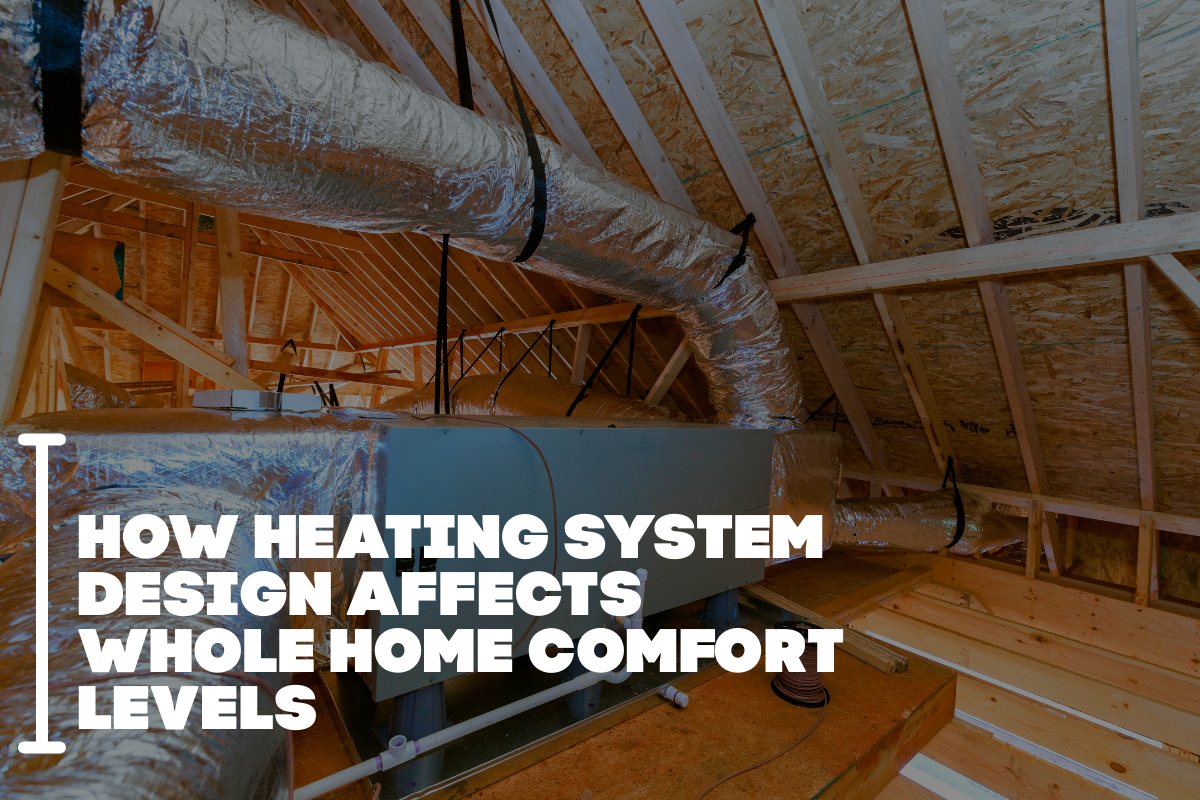
Before selecting a heating system, it’s important to assess the home’s insulation, air leaks, and existing distribution infrastructure (ducts, radiators, etc.). Even the best heating system will struggle in a poorly insulated home, so consider sealing drafts and upgrading insulation first if possible.
Furnace Systems: Traditional and Reliable
Furnaces are one of the most common heating systems in Illinois homes. They heat air and distribute it through ductwork and vents. In older homes that already have duct systems, upgrading to a high-efficiency furnace can be a cost-effective choice.
Pros of Furnaces
- Fast, even heating throughout the home
- Widely available parts and service providers
- High-efficiency models can significantly reduce heating costs
Cons of Furnaces
- Require ductwork (which may be inefficient or leaky in older homes)
- Air distribution can spread dust and allergens without proper filtration
Modern furnaces with high Annual Fuel Utilization Efficiency (AFUE) ratings—above 90%—are ideal for Illinois’ cold climate.
Boilers: Comfortable and Consistent Heat
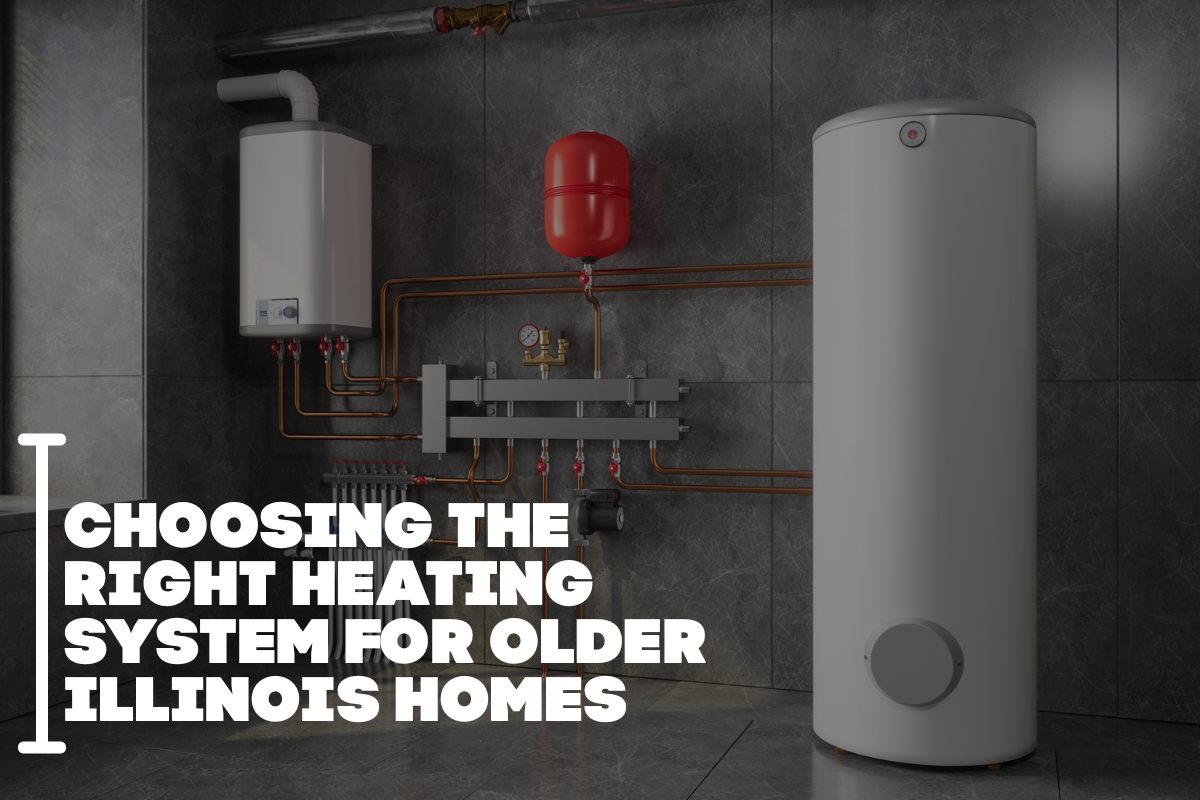
Boilers heat water and circulate it through radiators or baseboards. Many older homes already have boiler systems, making replacement or upgrade a logical choice. Boilers provide gentle, radiant heat that many homeowners find more comfortable than forced air.
Pros of Boilers
- Quiet operation
- Even, consistent warmth
- Less airborne dust movement
Cons of Boilers
- Higher upfront cost in some cases
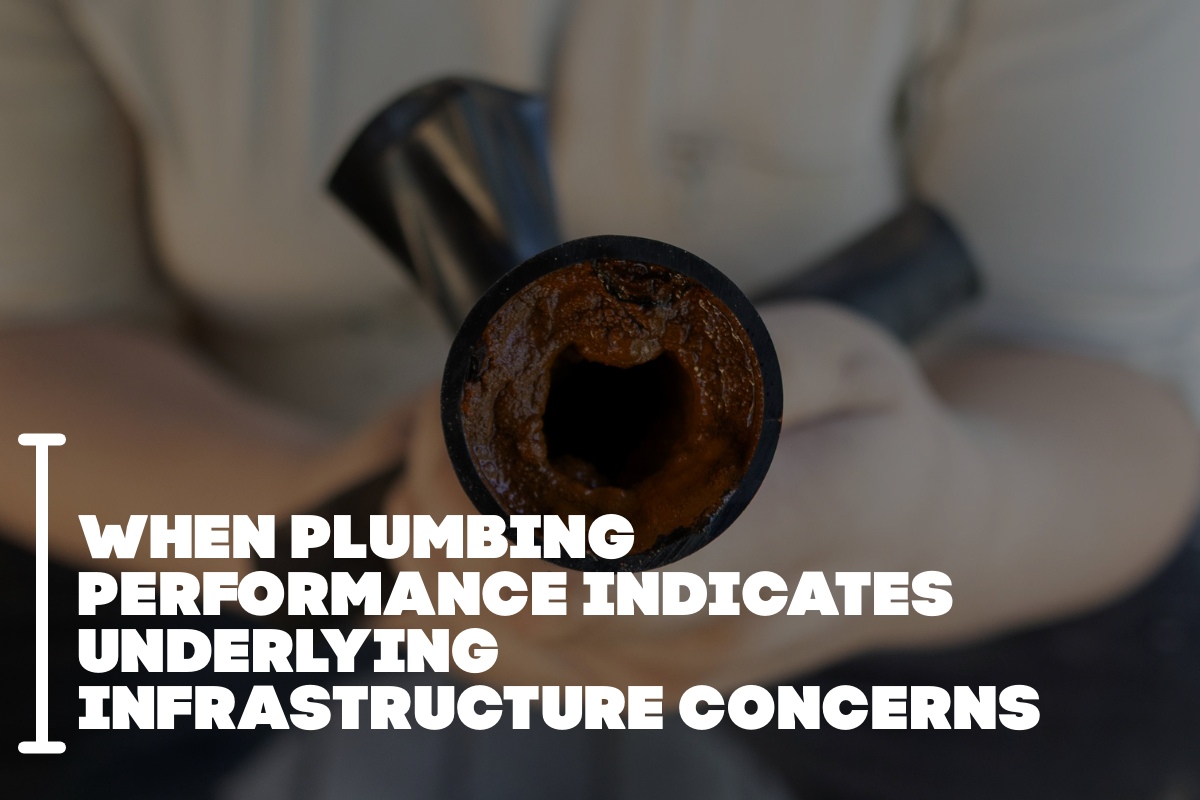
- May require upgrading pipe distribution if corroded or inefficient
Condensing boilers offer high efficiency and can lower fuel costs while providing reliable heat throughout cold Illinois winters.
Heat Pumps: Energy-Efficient Modern Alternative
Heat pumps are gaining popularity as an energy-efficient alternative to traditional heating systems. They work by transferring heat rather than generating it. Modern cold-climate heat pumps can still perform well in many parts of Illinois, especially when paired with a backup heating source.
Pros of Heat Pumps
- High energy efficiency
- Can provide cooling in summer
- Lower operating costs in moderate winter conditions
Cons of Heat Pumps
- May require supplemental heat in extremely cold weather
- Higher initial cost than traditional furnaces
For properly insulated older homes—or homes that are being upgraded for energy efficiency—heat pumps can offer year-round comfort and lower energy bills.
Hybrid Systems: Best of Both Worlds
A hybrid system combines a heat pump with a furnace. The heat pump handles heating during mild weather, and the furnace takes over in very cold conditions. This approach maximizes efficiency without sacrificing reliability in harsh Illinois winters.
Pros of Hybrid Systems
- Optimal efficiency
- Comfort throughout all temperature ranges
- Reduced fuel use and lower bills
Cons of Hybrid Systems
- Higher initial installation cost
- Requires careful system design
Considering Fuel Types
Fuel availability and cost are important. Common heating fuels in Illinois include:
- Natural gas: Affordable and efficient where available
- Electricity: Clean but can be expensive without heat pumps
- Propane or oil: Alternatives where gas lines are unavailable
Check local fuel costs and availability, as these factors heavily influence long-term operating expenses.
Balancing Cost, Comfort, and Efficiency
Choosing the right heating system for an older home is about more than just upfront cost. Consider:
- Long-term energy savings
- Comfort preferences (radiant vs. forced heat)
- Existing infrastructure (ductwork, radiators, etc.)
- Maintenance requirements
Getting a professional energy audit before investing in a new system can provide clarity. Auditors assess insulation, air leakage, and heat loss to recommend the best solutions tailored to your home.
Making an Informed Decision
Older Illinois homes have unique qualities that deserve thoughtful heating solutions. Whether you choose a modern high-efficiency furnace, a traditional boiler, a cold-climate heat pump, or a hybrid setup, the right system will keep you warm, comfortable, and energy-smart throughout the winter months. Prioritize quality installation, regular maintenance, and energy efficiency for lasting performance and savings.
FAQs
What heating system is best for older homes with no ductwork?
Boilers or ductless heat pumps are often better options for homes without existing ductwork.
Can heat pumps work in cold Illinois winters?
Yes, modern cold-climate heat pumps can perform well, especially when paired with a backup heating source.
Do older homes need insulation upgrades before a new heating system?
Upgrading insulation and sealing drafts improves any system’s efficiency and comfort level.
Is a hybrid system worth the cost?
Hybrid systems can be cost-effective long term by maximizing efficiency across temperature ranges.
How often should heating systems be maintained?
Annual professional maintenance helps ensure safety, efficiency, and longer system life.