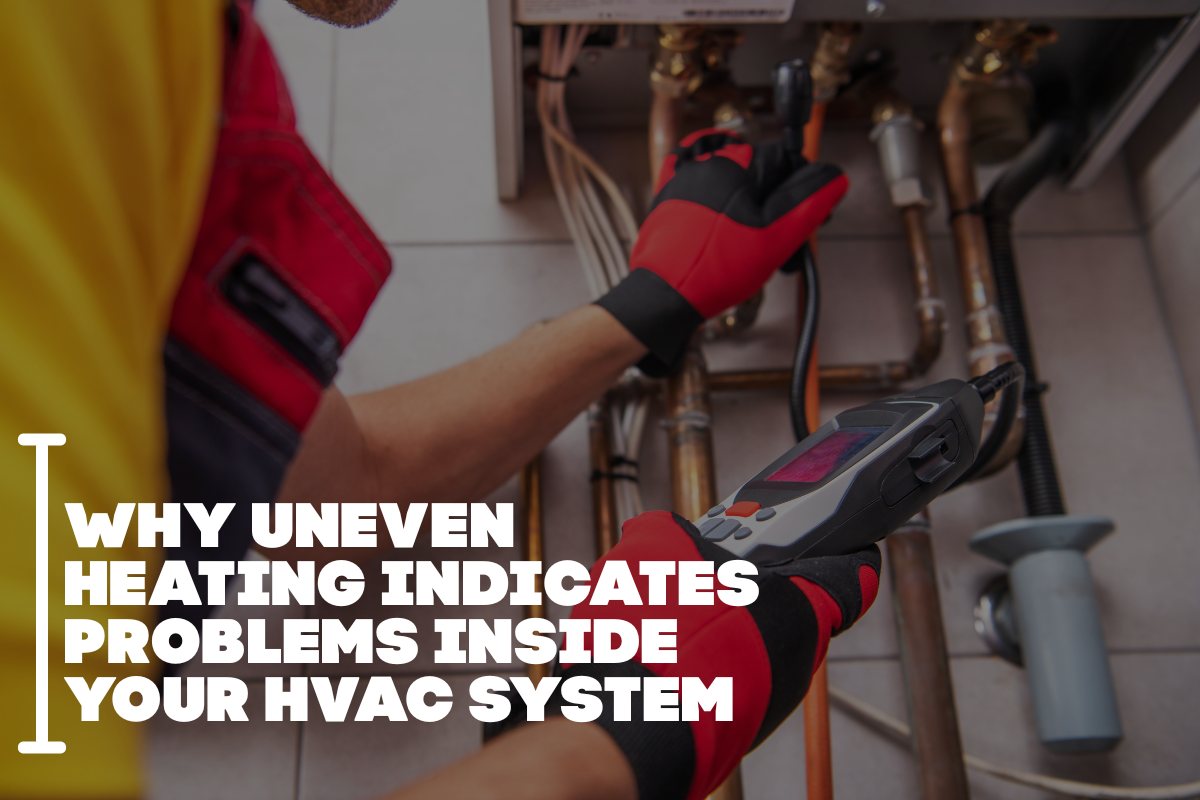
Uneven heating in your home can be more than just an inconvenience; it may signal underlying issues within your HVAC (Heating, Ventilation, and Air Conditioning) system. When certain areas of your home are too hot or too cold, it often points to a malfunction that, if left unaddressed, could lead to more significant problems and costly repairs. In this article, we will explore why uneven heating occurs and what it means for your HVAC system.
1. Airflow Issues
One of the most common causes of uneven heating is restricted airflow. Your HVAC system relies on a consistent flow of air to distribute heat evenly throughout your home. If airflow is restricted in certain areas, the heating process becomes inefficient, resulting in cold spots.
Causes of Airflow Problems:
- Clogged air filters: When air filters are clogged with dust and debris, they obstruct the airflow, making it difficult for your HVAC system to properly circulate warm air.
- Blocked vents or registers: Furniture, rugs, or other obstructions can block vents, reducing the airflow to specific rooms.
- Leaky ducts: If there are leaks or holes in the ductwork, warm air may escape before it reaches its intended destination, leading to uneven heating.
How to fix it:
- Change air filters regularly to ensure unobstructed airflow.
- Inspect and clear vents of any obstructions like furniture or curtains.
- Seal leaky ducts to prevent warm air from escaping. A professional HVAC technician can help identify and repair duct leaks.
2. Thermostat Malfunction
The thermostat is the control center of your HVAC system, regulating the temperature by signaling when to turn the heating on or off. If your thermostat is malfunctioning, it may not accurately detect the temperature in your home, leading to uneven heating.
Causes of Thermostat Issues:
- Miscalibration: A thermostat that is out of calibration may cause your HVAC system to turn on or off at the wrong times, resulting in temperature inconsistencies.
- Location of the thermostat: If the thermostat is placed in a location that is too close to a heat source, like a sunny window or a kitchen, it may read a higher temperature than the rest of the home, causing the system to turn off prematurely.
- Faulty sensors: The sensors inside the thermostat may become faulty over time, preventing the system from responding accurately to temperature changes.
How to fix it:
- Recalibrate or replace the thermostat if it’s misreading the temperature.
- Move the thermostat to a more central location away from heat sources.
- Upgrade to a smart thermostat that offers more precise control and scheduling, helping to prevent uneven heating.
3. Dirty or Malfunctioning Heating Elements
In forced air systems, the heating elements (like a furnace’s heat exchanger or a heat pump’s coils) are responsible for warming the air. If these elements are dirty or malfunctioning, they may not produce enough heat, leading to uneven heating throughout the house.
Causes of Heating Element Problems:
- Dirt and dust buildup: Over time, dust and debris can accumulate on heating elements, reducing their efficiency and output. This is particularly common in older systems.
- Worn-out parts: As HVAC systems age, parts like heat exchangers or coils may begin to wear out, leading to inconsistent heating.
How to fix it:
- Regular maintenance: Schedule annual HVAC inspections to clean the heating elements and keep the system running efficiently.
- Replace worn-out parts when necessary. A professional technician can assess the condition of the heating elements and recommend replacements.
4. Ductwork Issues
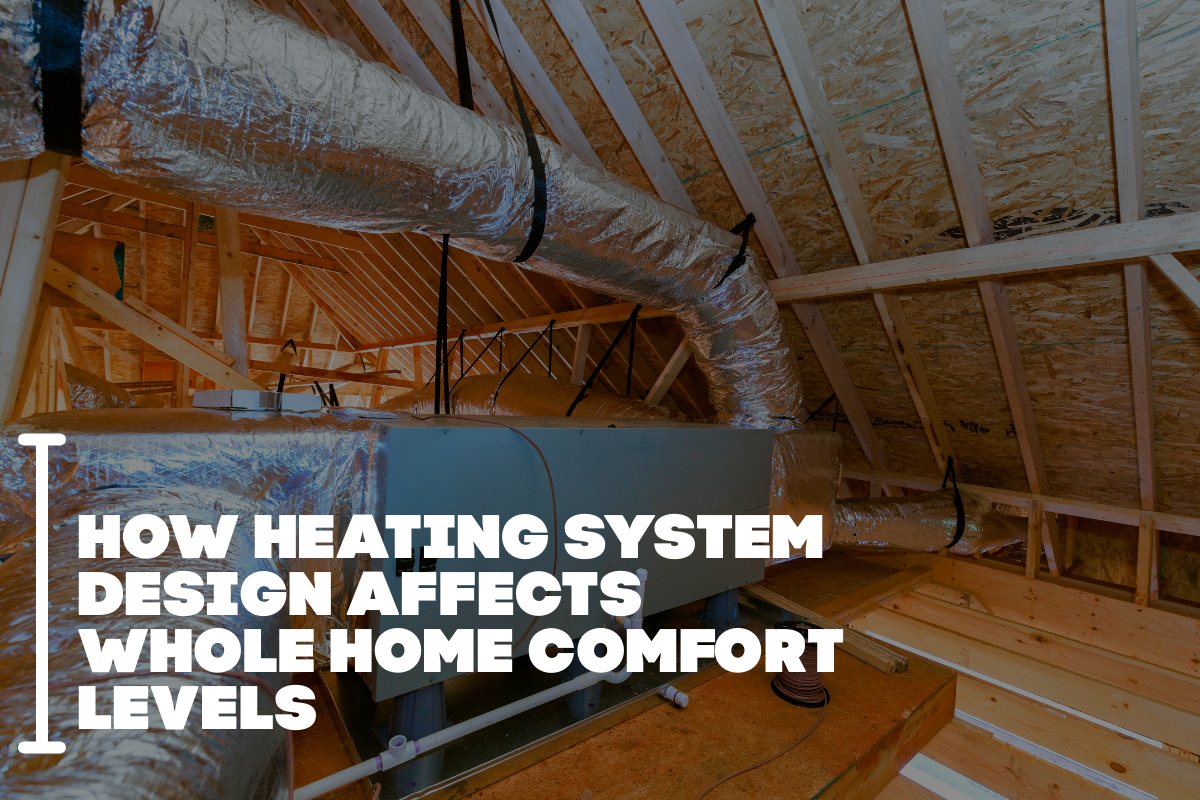
Ductwork is the network of pipes or channels that carry warm air from the furnace or heater to the rest of the house. Problems with the ductwork, such as leaks, poor insulation, or poorly designed ducts, can result in uneven heating. If the ducts are improperly sized or installed, certain rooms may not receive enough warm air.
Causes of Ductwork Problems:
- Leaky ducts: As mentioned, leaks in the ducts allow warm air to escape before it reaches the intended areas of the home, causing cold spots.
- Inadequate insulation: If ducts aren’t insulated properly, they can lose heat while the air travels through them, especially in attics or basements.
- Improperly sized ducts: If the ducts are too small for the system, they may struggle to deliver enough air to each room.
How to fix it:
- Seal duct leaks to prevent warm air from escaping. A professional technician can locate leaks and seal them properly.
- Insulate ducts that run through unconditioned spaces to minimize heat loss.
- Ensure ducts are the right size for your system. A professional can evaluate your ductwork and recommend upgrades if necessary.
5. Poor Zoning System
Some homes have a zoning system, which uses dampers and multiple thermostats to control the temperature in different areas of the house independently. If the zoning system is malfunctioning, certain zones or rooms may become too hot or too cold.
Causes of Zoning Issues:
- Faulty dampers: The dampers control the flow of air to each zone. If they get stuck or malfunction, it can cause uneven heating in the affected areas.
- Inaccurate thermostats: Zoning systems rely on multiple thermostats to control the temperature in each zone. If a thermostat isn’t calibrated properly or is malfunctioning, it can lead to uneven heating.
How to fix it:
- Inspect the dampers for any mechanical issues and have them repaired or replaced.
- Check the thermostats in each zone to ensure they are calibrated and functioning correctly.
6. Furnace or Heat Pump Issues
The central heating unit, whether it’s a furnace, heat pump, or boiler, is responsible for heating the air. If the heating unit is malfunctioning, it may not be producing enough heat to distribute evenly throughout the home, leading to cold spots.
Causes of Furnace or Heat Pump Problems:
- Insufficient heating output: If the furnace or heat pump is too small for your home, it may struggle to heat all areas effectively.
- Dirty filters: A clogged air filter can restrict airflow and reduce the furnace’s efficiency, leading to uneven heating.
- Aging system: As heating units age, their performance can decline, causing problems with heat distribution.
How to fix it:
- Regular servicing: Schedule annual maintenance for your furnace or heat pump to ensure it’s operating efficiently.
- Upgrade to a larger unit if the current system isn’t powerful enough for your home’s needs.
FAQs
What should I do if only certain rooms in my house are cold?
Start by checking for obstructions around vents or air registers, as these can block airflow. If the issue persists, it may be related to airflow problems in the ducts or a malfunctioning thermostat.
Can dirty air filters cause uneven heating?
Yes, clogged air filters restrict airflow and prevent warm air from circulating evenly throughout the house. Replacing filters regularly is a simple way to ensure consistent heating.
How often should I have my HVAC system serviced?
To maintain optimal performance and prevent uneven heating, schedule professional maintenance at least once a year. This ensures your system is running efficiently and can catch potential issues early.
Why is my heating system making strange noises?
Unusual noises may indicate issues such as a dirty burner, malfunctioning blower motor, or issues with ductwork. It’s essential to have a professional inspect the system to identify and resolve the issue.
Can a thermostat be fixed if it’s causing uneven heating?
If your thermostat is malfunctioning, it may need to be recalibrated or replaced. A professional technician can determine if the thermostat is causing the uneven heating and recommend the necessary repairs or replacements.