Winter places heavy demands on home heating systems. When temperatures drop, furnaces, boilers, and heat pumps work harder and run longer, increasing the risk of breakdowns. Many homeowners only think about their heating systems when something goes wrong—but by then, repairs are often expensive and inconvenient.
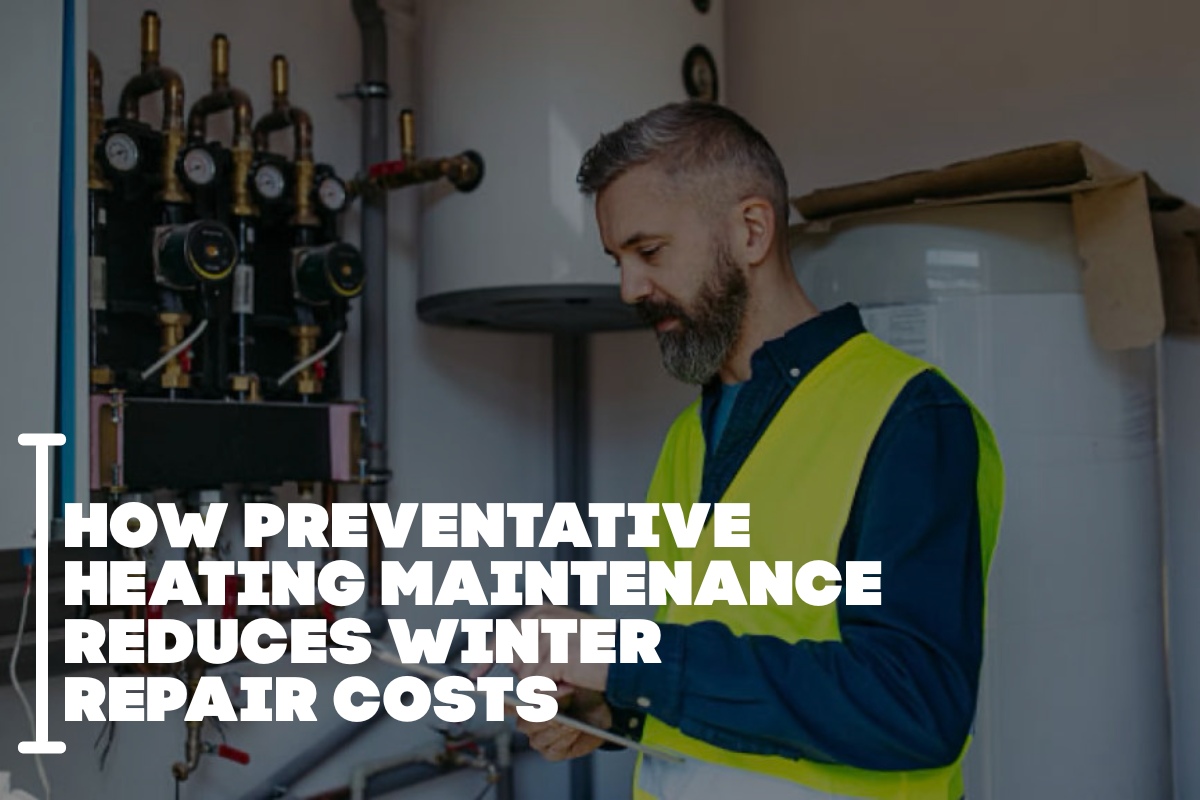
Preventative heating maintenance is one of the most effective ways to reduce winter repair costs, improve system efficiency, and avoid unexpected emergencies. This article explains how regular maintenance protects both your comfort and your budget.
Catching Small Problems Before They Become Major Repairs
Heating systems rarely fail without warning. Minor issues such as worn belts, dirty burners, loose electrical connections, or clogged filters can gradually worsen over time. Without maintenance, these small problems often go unnoticed until they cause a system breakdown.
Preventative maintenance allows technicians to identify and correct these issues early. Replacing a worn part or tightening a connection is far less expensive than repairing a damaged motor or replacing a failed heat exchanger. By addressing problems at the earliest stage, homeowners avoid the high costs associated with emergency repairs.
Improving System Efficiency and Lowering Energy Bills
A well-maintained heating system runs more efficiently. Dust buildup, dirty filters, and poorly calibrated components force systems to work harder to produce the same level of heat. This extra strain increases energy consumption and drives up utility bills.
Routine maintenance includes cleaning components, checking airflow, and optimizing system performance. When your heating system operates efficiently, it uses less energy, which reduces monthly heating costs. Over the course of a winter season, these savings can be significant.
Extending the Lifespan of Your Heating System
Heating systems are long-term investments, and preventative maintenance helps protect that investment. Systems that are neglected often experience excessive wear and tear, leading to premature failure.
Regular servicing helps components operate smoothly, reduces strain on moving parts, and ensures proper lubrication and calibration. This not only minimizes the risk of costly breakdowns but also extends the overall lifespan of the system. Replacing a heating system is far more expensive than maintaining one properly.
Reducing the Risk of Emergency Repairs
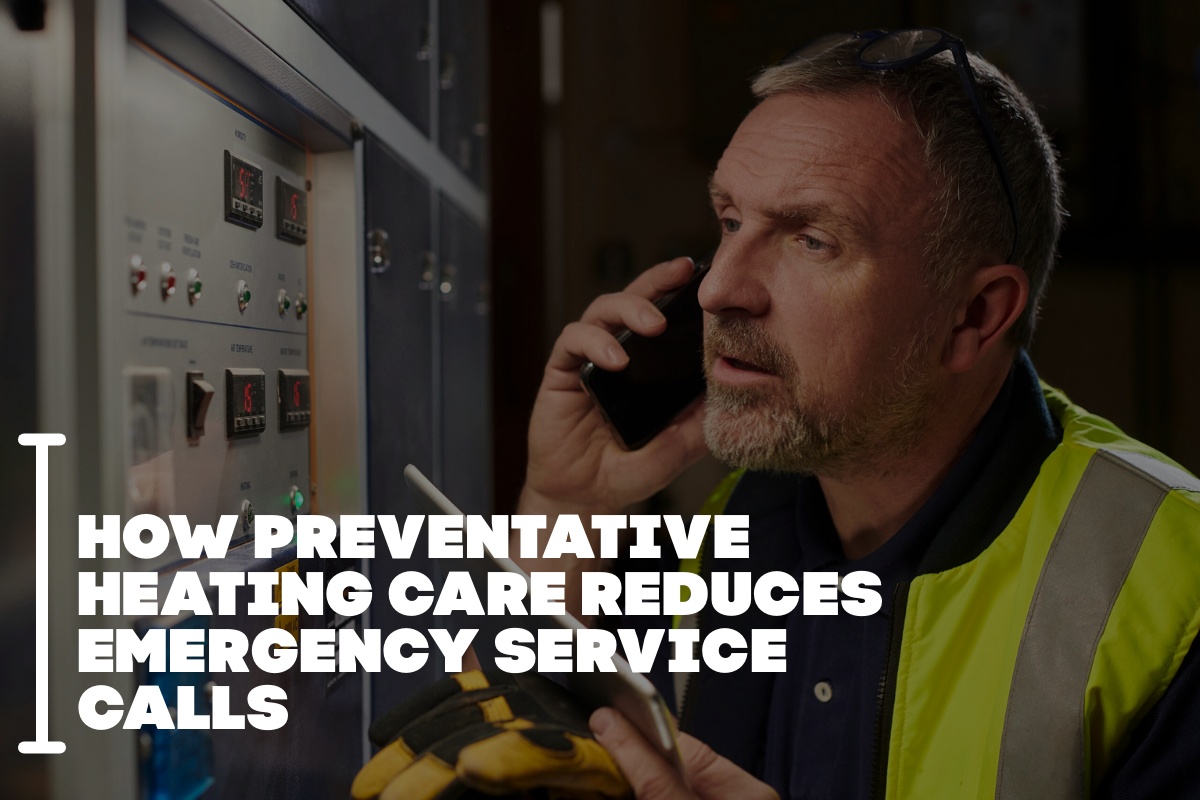
Emergency heating repairs during winter are often more expensive than scheduled maintenance or standard service calls. When systems fail on the coldest nights, HVAC companies are in high demand, and urgent repairs can come with premium costs.
Preventative maintenance significantly reduces the likelihood of sudden breakdowns. By scheduling inspections before winter begins, homeowners gain peace of mind knowing their systems are prepared for peak demand. Avoiding emergency situations protects both your comfort and your finances.
Maintaining Safe Operation
Heating systems, particularly gas furnaces and boilers, can pose safety risks if not properly maintained. Issues such as cracked heat exchangers, gas leaks, or improper ventilation can lead to serious hazards including carbon monoxide exposure.
During preventative maintenance, technicians inspect safety components, test carbon monoxide levels, and ensure all systems are operating safely. Preventing safety-related issues not only protects your family but also prevents costly damage and liability that can arise from undetected hazards.
Protecting Manufacturer Warranties
Many heating system warranties require proof of regular maintenance. If a major component fails and there is no record of proper servicing, manufacturers may deny warranty claims, leaving homeowners responsible for expensive repair or replacement costs.
By scheduling annual maintenance and keeping service records, homeowners protect their warranty coverage. This can result in significant savings if a covered component fails during the warranty period.
Creating Predictable Costs Instead of Surprise Expenses
One of the biggest financial advantages of preventative heating maintenance is cost predictability. A routine maintenance appointment is typically affordable and can be planned into your annual home budget.
In contrast, unexpected winter breakdowns often result in high, unplanned expenses. Preventative maintenance allows homeowners to control costs proactively rather than reacting to emergencies under pressure.
Frequently Asked Questions
How often should heating systems receive preventative maintenance?
Most heating systems should be serviced once a year, ideally in the fall before the winter season begins.
Is preventative maintenance really cheaper than repairs?
Yes. Routine maintenance typically costs far less than emergency repairs or system replacements caused by neglect.
What does a typical heating maintenance visit include?
It often includes cleaning components, inspecting electrical connections, checking safety controls, testing efficiency, replacing filters, and ensuring proper airflow.
Can maintenance really prevent system breakdowns?
While no system is immune to failure, regular maintenance significantly reduces the likelihood of breakdowns by identifying and fixing problems early.
Does preventative maintenance help with heating performance?
Absolutely. A maintained system heats more evenly, runs more efficiently, and responds better to thermostat settings.
Is preventative heating maintenance necessary for newer systems?
Yes. Even new systems benefit from maintenance to ensure they operate efficiently, remain safe, and stay covered under warranty.