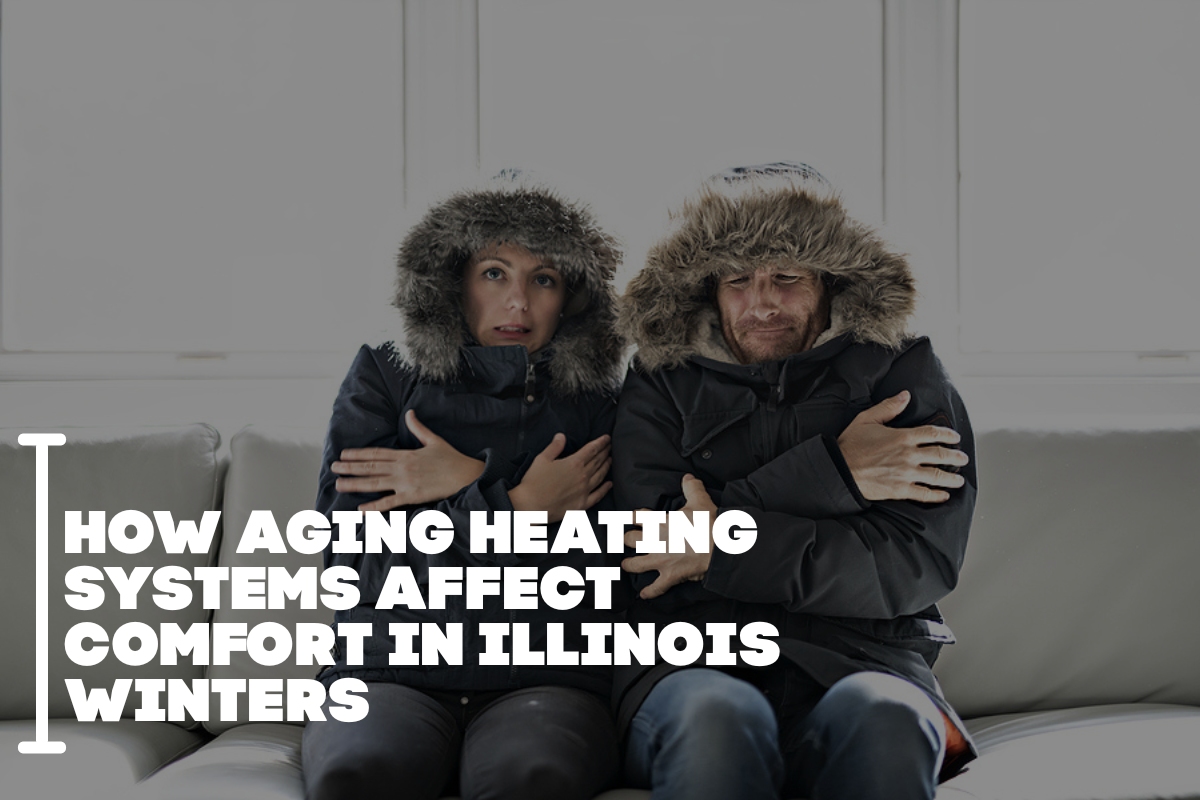
Illinois winters are known for prolonged cold, freezing temperatures, and sharp wind chills. During these months, a home’s heating system is not just a convenience but a necessity for comfort, safety, and well-being. When heating systems age, their ability to perform reliably during harsh winter conditions declines. Many homeowners underestimate how significantly an aging heating system can affect indoor comfort, energy efficiency, and overall winter living conditions.
Reduced Heating Efficiency and Uneven Temperatures
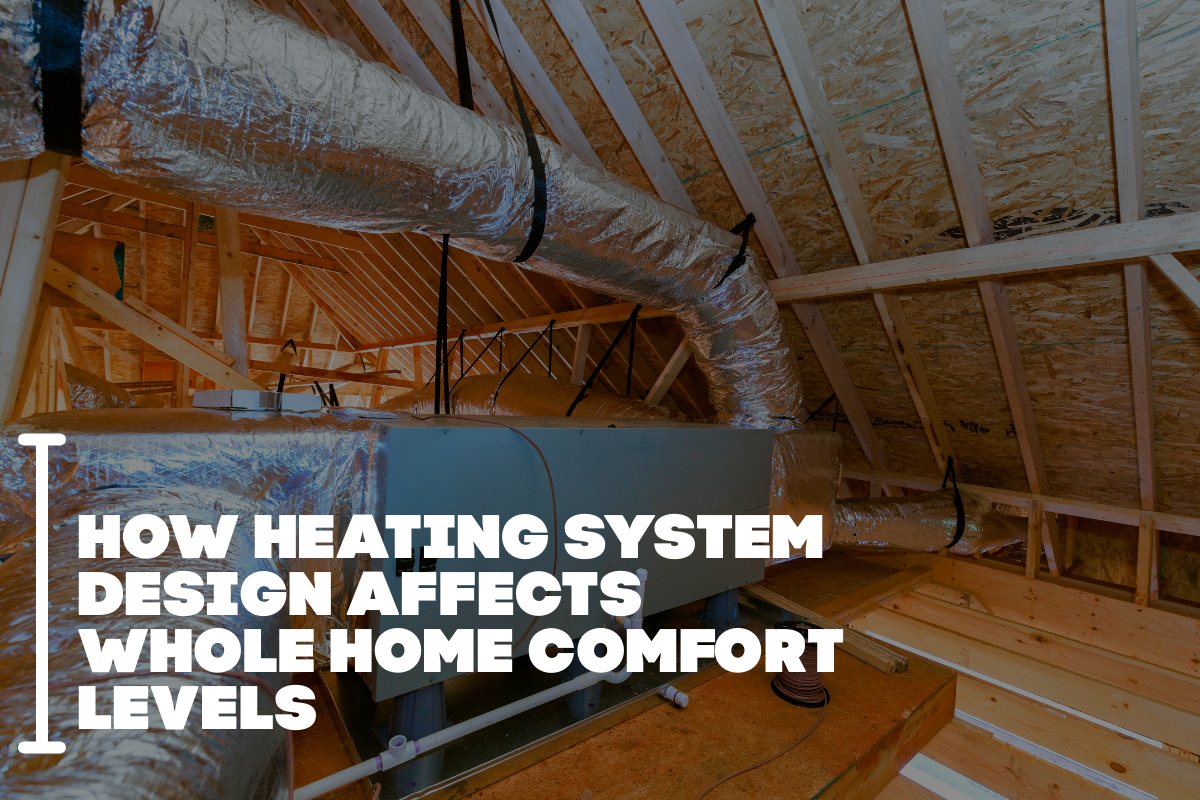
One of the most noticeable effects of an aging heating system is reduced efficiency. Over time, components such as burners, heat exchangers, motors, and duct connections wear down. As efficiency declines, the system struggles to distribute heat evenly throughout the home.
In Illinois winters, this often results in cold spots, drafty rooms, and inconsistent temperatures between floors. Some rooms may feel uncomfortably cold while others overheat, forcing homeowners to constantly adjust thermostats without achieving consistent comfort.
Longer Run Times and Increased Energy Bills
Older heating systems typically require longer run times to maintain desired indoor temperatures. As systems lose efficiency, they must work harder and longer to produce the same amount of heat. This increased workload leads to higher energy consumption, which becomes especially costly during extended Illinois cold spells.
Homeowners may notice a steady rise in winter utility bills even when usage habits remain unchanged. Aging systems convert less fuel into usable heat, meaning more energy is wasted rather than contributing to indoor warmth.
Slower Heat Response During Extreme Cold
Illinois winters often bring sudden temperature drops, particularly during polar vortex events. Aging heating systems tend to respond slowly to these changes. Worn components, outdated controls, and declining output capacity prevent the system from quickly restoring warmth after doors open or temperatures fall overnight.
This lag in heat response can leave homes uncomfortably cold for extended periods, especially in the early morning or during nighttime temperature dips, reducing overall winter comfort.
Increased Noise and Mechanical Stress
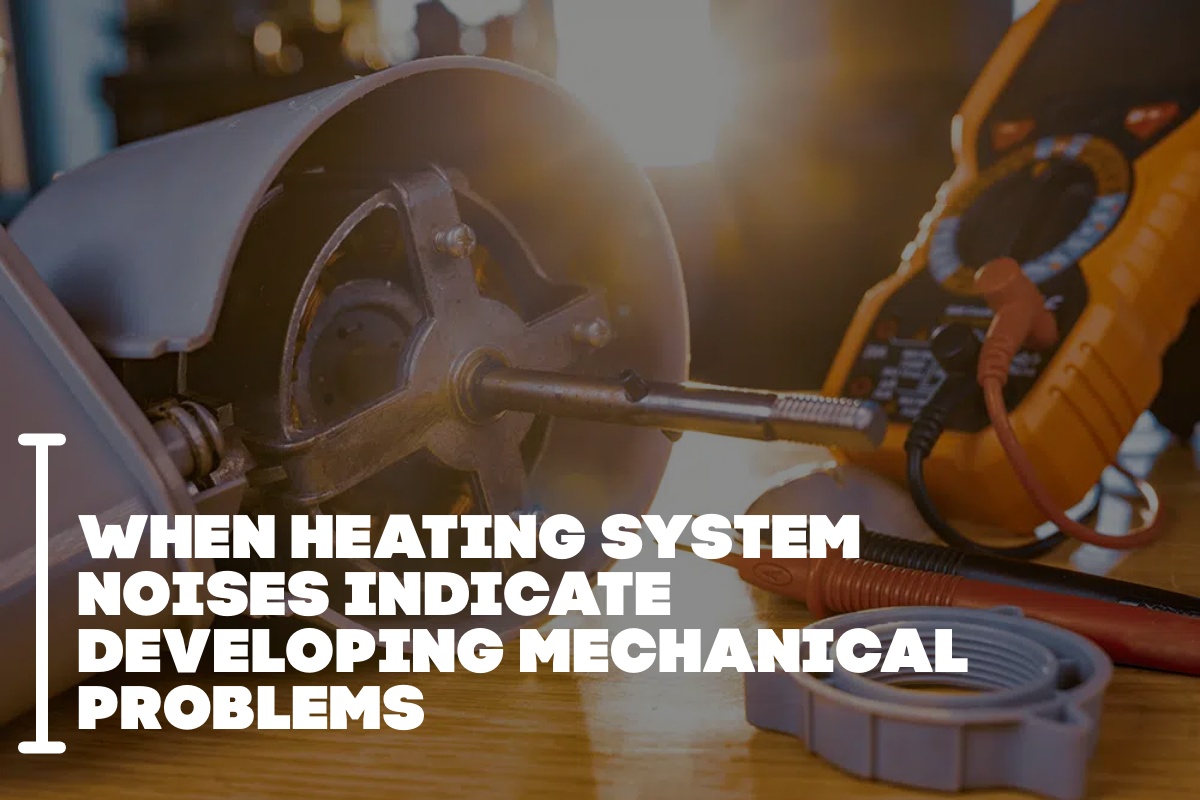
As heating systems age, they often become noisier. Rattling, banging, or humming sounds may occur as parts loosen, motors strain, or airflow becomes restricted. While these noises may seem minor, they are signs that the system is operating under stress.
Mechanical strain not only affects comfort by disrupting quiet indoor environments but also increases the risk of breakdowns during peak winter demand, when heating reliability is most critical.
Reduced Indoor Air Quality and Comfort
Aging heating systems can negatively impact indoor air quality, which plays a major role in winter comfort. Older systems may circulate dust, allergens, and dry air more aggressively due to worn filters, outdated ductwork, or inefficient airflow design.
Dry indoor air is especially common during Illinois winters and can lead to dry skin, irritated sinuses, static electricity, and respiratory discomfort. Modern heating systems are better equipped to manage humidity levels, while aging systems often worsen dryness.
Higher Risk of Winter Breakdowns
Cold Illinois winters place intense demands on heating systems. Older systems are more prone to failure under these conditions, especially during prolonged cold snaps. Components that are already weakened by age are more likely to break when operating continuously at maximum capacity.
Unexpected heating failures during winter not only disrupt comfort but can also pose safety risks, including frozen pipes and indoor temperature drops that affect vulnerable occupants.
Limited Compatibility With Modern Comfort Features
Modern comfort solutions such as programmable thermostats, smart controls, zoning systems, and high-efficiency humidifiers are often incompatible with older heating systems. This limits a homeowner’s ability to optimize comfort based on daily routines and weather changes.
Aging systems lack the adaptability required to maintain steady comfort efficiently, particularly in a climate as demanding as Illinois winters.
FAQs
How can I tell if my heating system is too old for Illinois winters?
Common signs include uneven heating, rising energy bills, frequent repairs, unusual noises, and slow response to temperature changes.
Do older heating systems struggle more during extreme cold?
Yes, aging systems often lack the capacity and efficiency to handle prolonged or extreme cold, increasing discomfort and breakdown risk.
Can an aging heating system affect indoor air quality?
Yes, older systems may circulate dust and dry air more heavily, reducing indoor comfort and aggravating respiratory issues.
Is replacing an old heating system more cost-effective than repairs?
For systems nearing the end of their lifespan, replacement is often more cost-effective than repeated winter repairs and high energy costs.
How does a newer heating system improve winter comfort?
Modern systems provide more consistent heat, better efficiency, quieter operation, improved humidity control, and greater reliability during cold weather.