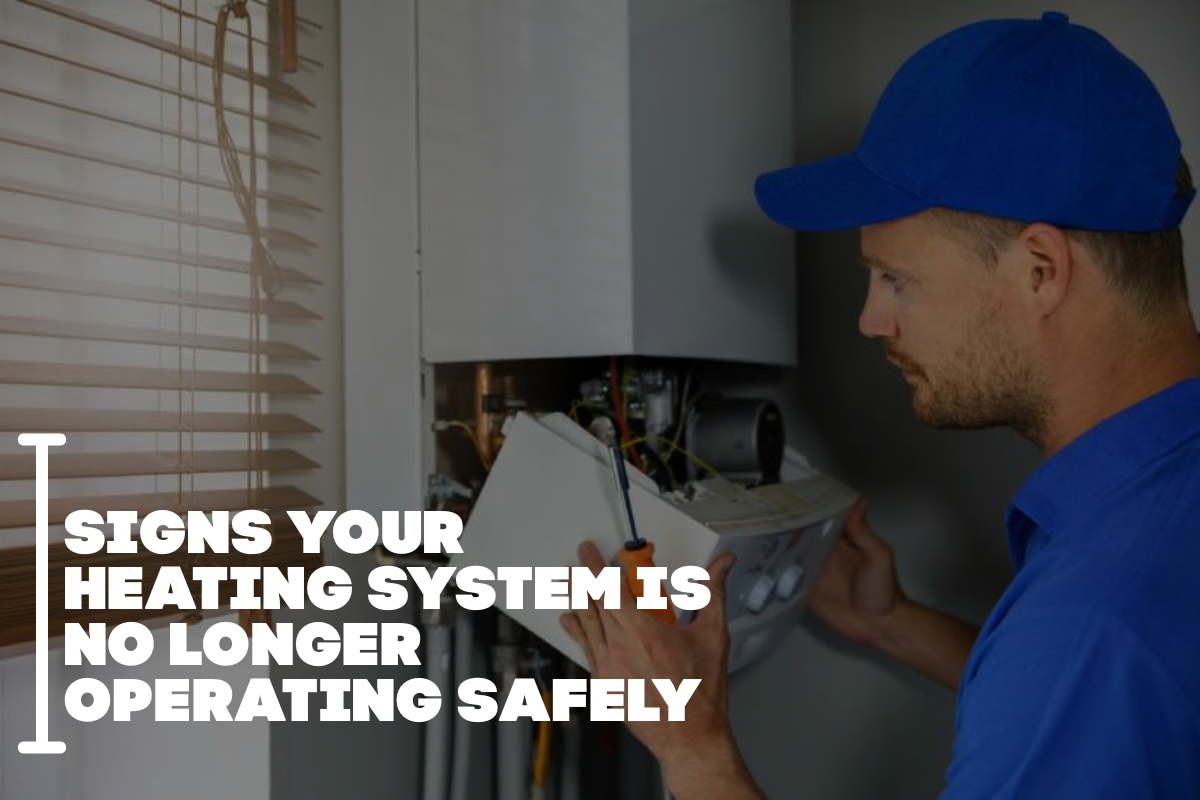
Your heating system plays a critical role in keeping your home warm and comfortable, especially during the colder months. However, like any home appliance, heating systems can experience wear and tear over time, and some issues can compromise their safety.
It’s important to recognize the signs that your heating system may no longer be operating safely. Early detection of problems can help prevent accidents, costly repairs, or even hazards like fires or carbon monoxide poisoning. Here are some key signs that your heating system may need attention to ensure it’s working safely.
1. Unusual or Strange Noises
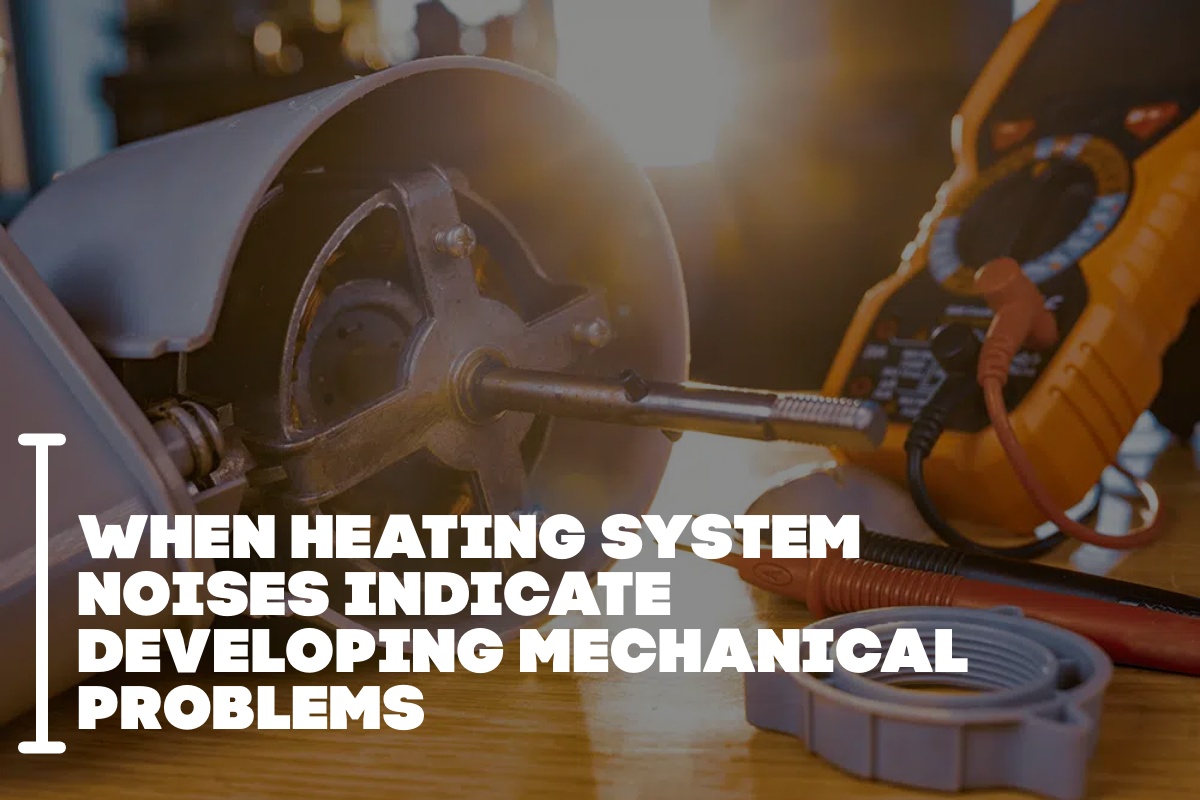
Hearing strange sounds coming from your heating system, such as banging, rattling, or screeching, is a sign that something might be wrong. These noises can indicate a range of issues, from loose components to a malfunctioning blower fan, or even the buildup of dirt and debris inside the unit. While some noise is normal, loud or persistent sounds may signal a mechanical failure, which could lead to further damage if not addressed. Ignoring these noises can also impact the efficiency of the system and pose a safety risk.
2. Unpleasant Smells
If you smell something unusual when the heating system is running, it’s important to pay attention. A burning smell when you first turn on the heat could simply be dust burning off, which is common when the system has been inactive for a while. However, if the smell persists or if you detect the odor of gas, it could indicate a serious problem.
A gas leak or malfunctioning components in the system can lead to dangerous situations, including carbon monoxide poisoning or even a fire. If you smell gas, immediately turn off the heating system, evacuate the house, and call a professional for assistance.
3. Yellow or Flickering Pilot Light
For gas-powered heating systems, the pilot light should burn with a steady blue flame. If you notice the flame is yellow, flickering, or is extinguished frequently, this could be a sign of a gas flow issue or incomplete combustion. A yellow flame indicates the presence of carbon monoxide, a colorless, odorless, and potentially deadly gas. Inconsistent or unusual pilot light behavior is a sign that your system may need professional servicing to prevent hazardous conditions.
4. Inadequate or Irregular Heating
If certain rooms in your home are not heating properly, or if the system seems to be working less efficiently than usual, this could be a sign of a deeper problem. Common causes include clogged filters, blocked vents, or issues with the thermostat.
However, irregular heating can also indicate more serious problems, such as a malfunctioning furnace or poor airflow, which could affect the overall safety of the system. If the system is struggling to heat the space evenly, it’s time to get it checked out by a professional.
5. Frequent Cycling On and Off
Your heating system should maintain a consistent cycle of heating when needed. If it is turning on and off frequently (a process called “short cycling”), it could be due to a malfunctioning thermostat, blocked air filters, or an issue with the furnace or heating element.
Short cycling puts unnecessary strain on the system and can lead to overheating or other safety risks. If you notice this behavior, it’s important to have the system inspected to prevent potential damage or unsafe conditions.
6. Carbon Monoxide Detector Goes Off
Carbon monoxide (CO) is a colorless, odorless gas that can be produced by malfunctioning heating systems, especially those that run on natural gas. If your carbon monoxide detector goes off, this is a serious sign that your heating system may be leaking CO into your home. Symptoms of CO poisoning include dizziness, nausea, and headaches, and exposure can be fatal. If the detector goes off, leave your home immediately, call emergency services, and have the heating system inspected by a professional.
7. Soot or Rust Around the Heating Unit
Soot or rust around the heating system is a warning sign that something is wrong with the unit. Soot buildup, particularly around the vents or flue pipe, indicates incomplete combustion, which can be a sign of a serious issue with your furnace or heating system.
Rust can also indicate that the system is leaking moisture or that there is excessive corrosion inside the unit. These issues can affect the safety and efficiency of the heating system, so it’s important to have them addressed promptly.
8. Unexplained Increase in Energy Bills
If your energy bills have suddenly increased without any corresponding increase in your usage, it could indicate that your heating system is no longer functioning efficiently. This could be due to issues like a dirty air filter, an improperly calibrated thermostat, or a system that is working harder to compensate for wear and tear.
Inefficient operation not only raises costs but can also be a sign that your heating system is putting more strain on its components, which can lead to safety hazards over time.
9. Excessive Dust or Dry Air
If you notice an increase in the amount of dust or dry air in your home when the heating system is running, it may be a sign that the system needs maintenance.
A dirty air filter, clogged ducts, or a malfunctioning humidifier can lead to poor air quality, which can irritate respiratory issues and make your home uncomfortable. Furthermore, if left unchecked, it can also put additional stress on the system, leading to potential safety concerns.
10. System Age and Lack of Maintenance
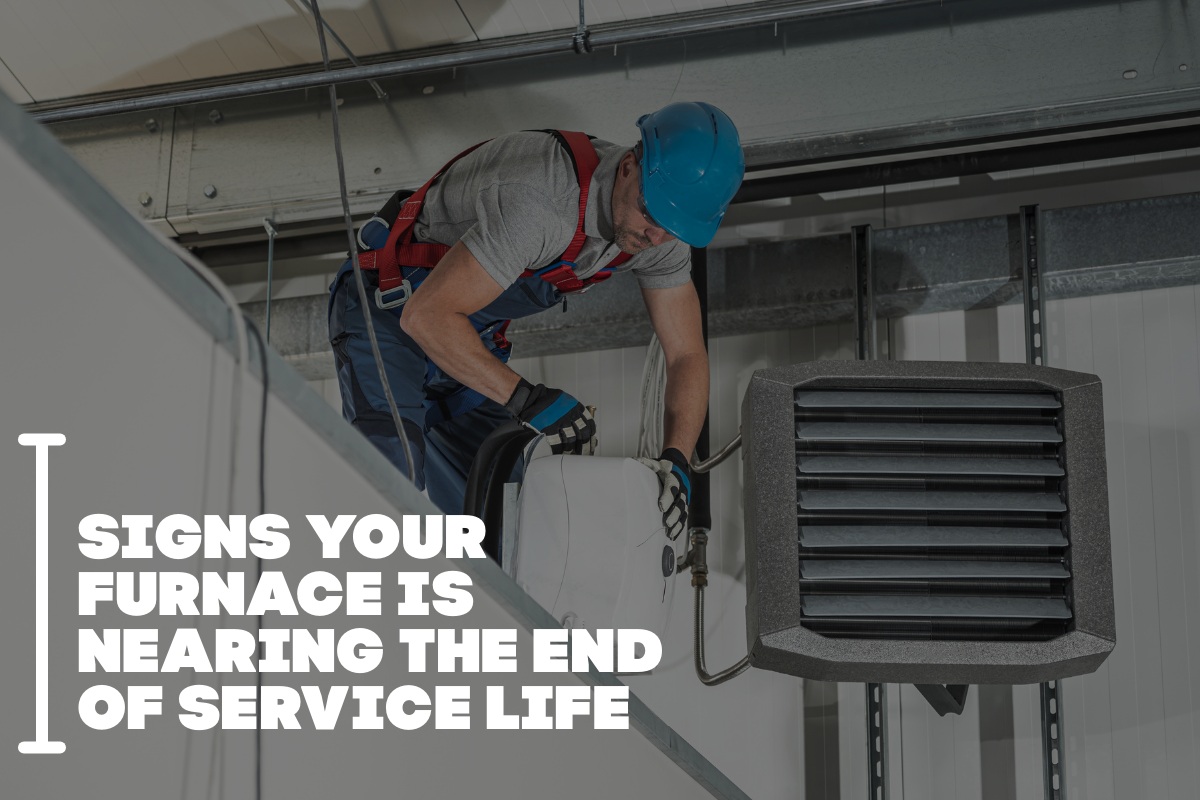
If your heating system is more than 10-15 years old and hasn’t been properly maintained, it may be time to consider replacement. As systems age, the risk of breakdowns and safety hazards increases.
Lack of regular maintenance, such as cleaning, filter replacement, and inspections, can also result in the accumulation of dirt, debris, and other issues that can make the system unsafe to use. If your system is showing signs of age or neglect, it’s crucial to schedule a professional inspection to ensure it’s operating safely.
FAQs:
1. What are signs my heating system is unsafe?
Signs include strange noises, unpleasant smells, flickering pilot lights, inadequate heating, frequent cycling, and a CO detector going off.
2. What should I do if I smell gas or burning?
If you smell gas, turn off the heating system, leave your home, and contact a professional immediately. For burning smells, turn off the system and inspect for issues.
3. Why is my heating system making strange noises?
Unusual noises could indicate mechanical problems, loose components, or blockages, all of which require professional attention.
4. What causes my heating system to shut off frequently?
Frequent cycling may be due to a malfunctioning thermostat, clogged filters, or a system failure, and it should be addressed by a technician.
5. How can I tell if there’s a carbon monoxide leak?
If your CO detector goes off or you experience symptoms like dizziness or headaches, leave the house immediately and contact emergency services.