When winter sets in, a reliable heating system becomes essential for comfort and safety, especially in areas that experience long, harsh cold seasons. However, like all mechanical systems, heating equipment is subject to wear and tear over time. Without proper maintenance, the efficiency and longevity of your heating system can be compromised.
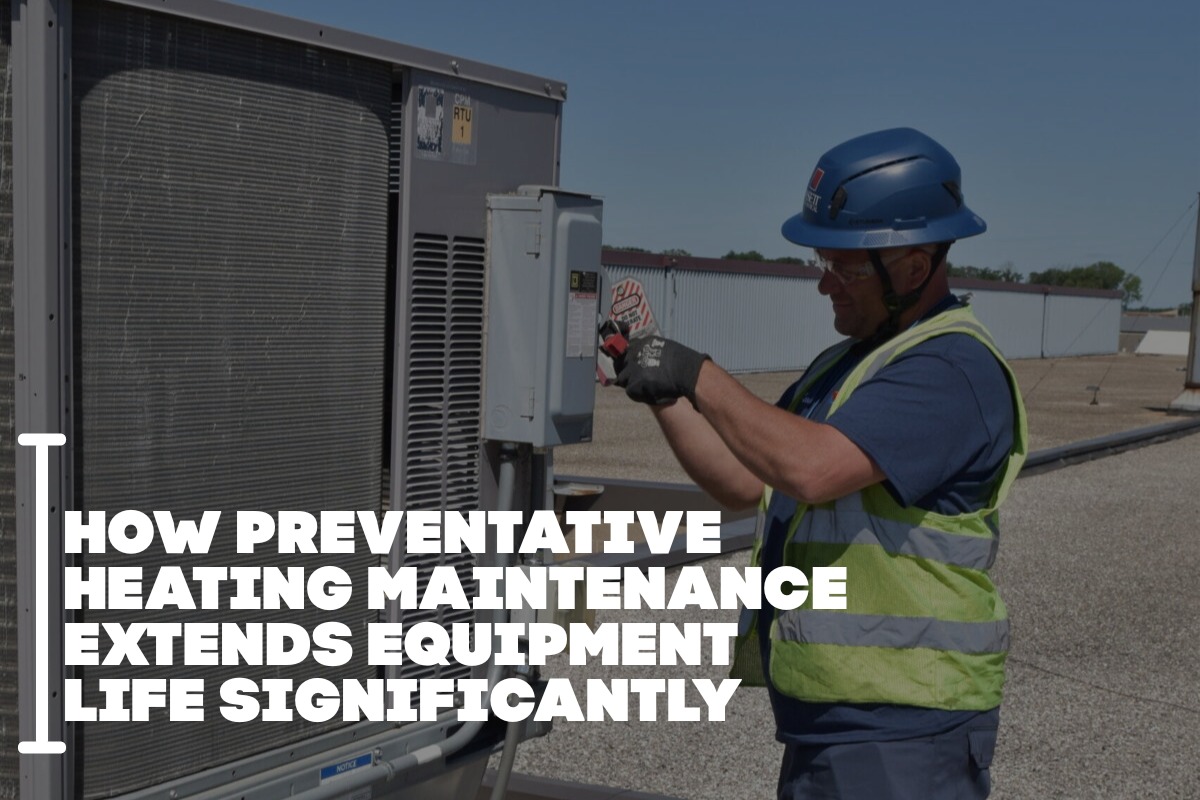
Preventative heating maintenance is the key to extending the lifespan of your equipment, improving energy efficiency, and avoiding costly repairs. By addressing minor issues before they become major problems, regular maintenance can significantly prolong the life of your furnace, boiler, or heat pump. In this article, we’ll explore how preventative maintenance contributes to the longevity of heating equipment, the specific tasks involved, and the long-term benefits of regular service.
The Importance of Heating System Longevity
Heating systems are an investment that, when properly maintained, can last for many years—sometimes 15 to 20 years or more, depending on the type of system. However, without regular upkeep, systems are likely to experience problems that reduce their efficiency, increase the frequency of repairs, and ultimately shorten their lifespan. Extending the life of your heating equipment helps you get the most out of your investment, reduces overall costs, and ensures that your home remains comfortably warm when you need it most.
How Preventative Maintenance Helps Extend Heating Equipment Life
1. Prevents Wear and Tear on Components
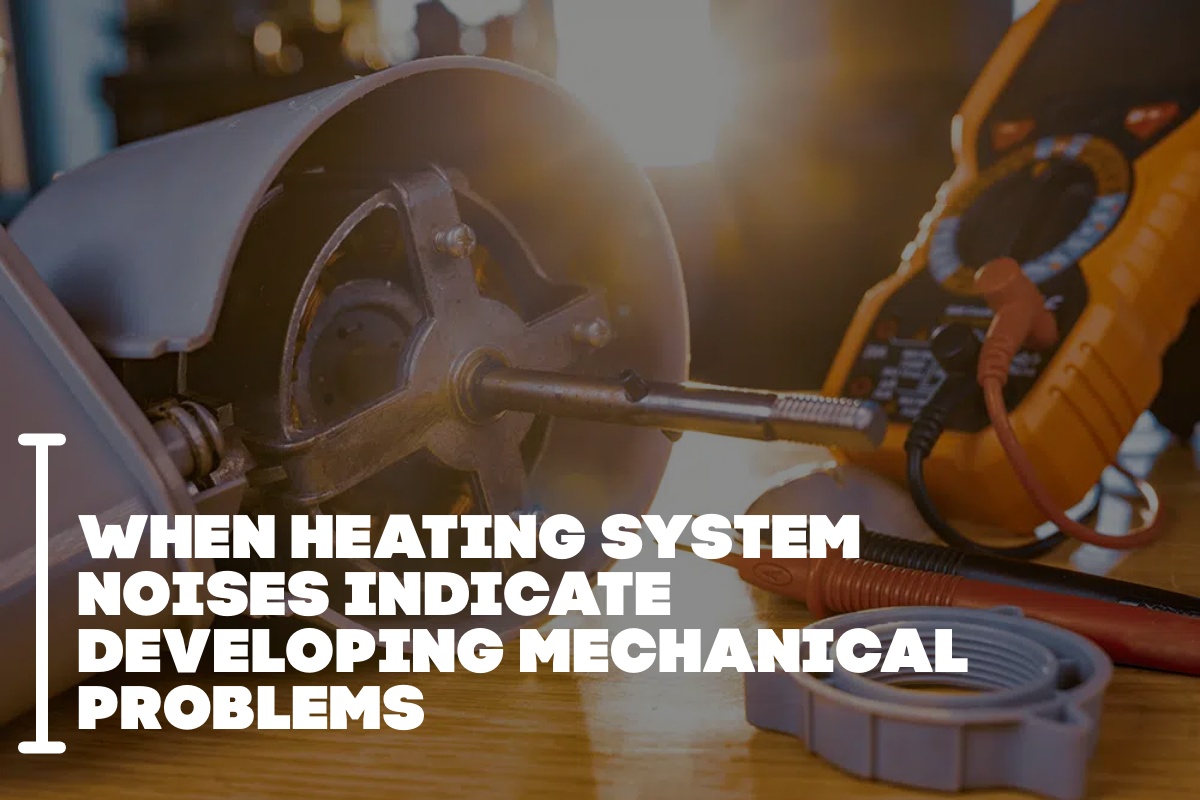
Heating systems contain several intricate components, such as motors, fans, belts, and burners, that work together to produce heat. Over time, friction and use can cause these parts to wear down, leading to malfunctions. During preventative maintenance, a technician will clean, lubricate, and inspect these components to ensure they’re operating efficiently.
Key Maintenance Tasks:
- Lubricating moving parts: Keeping motors, fans, and other moving parts properly lubricated reduces friction and wear, preventing damage and helping the system operate smoothly.
- Tightening loose components: Ensuring all components are secure prevents further strain on the system and reduces the risk of malfunction.
- Cleaning debris and dust: Accumulated dust and debris can clog filters and interfere with airflow, increasing strain on the system and leading to premature wear. Regular cleaning helps prevent this.
Benefits:
- Reduced Friction: Lubrication and cleaning lower the chances of mechanical parts wearing out prematurely, ensuring smooth operation.
- Preventing Expensive Repairs: Small issues that are addressed early during maintenance can prevent more significant breakdowns, saving you from costly repairs or replacements.
2. Improves Energy Efficiency
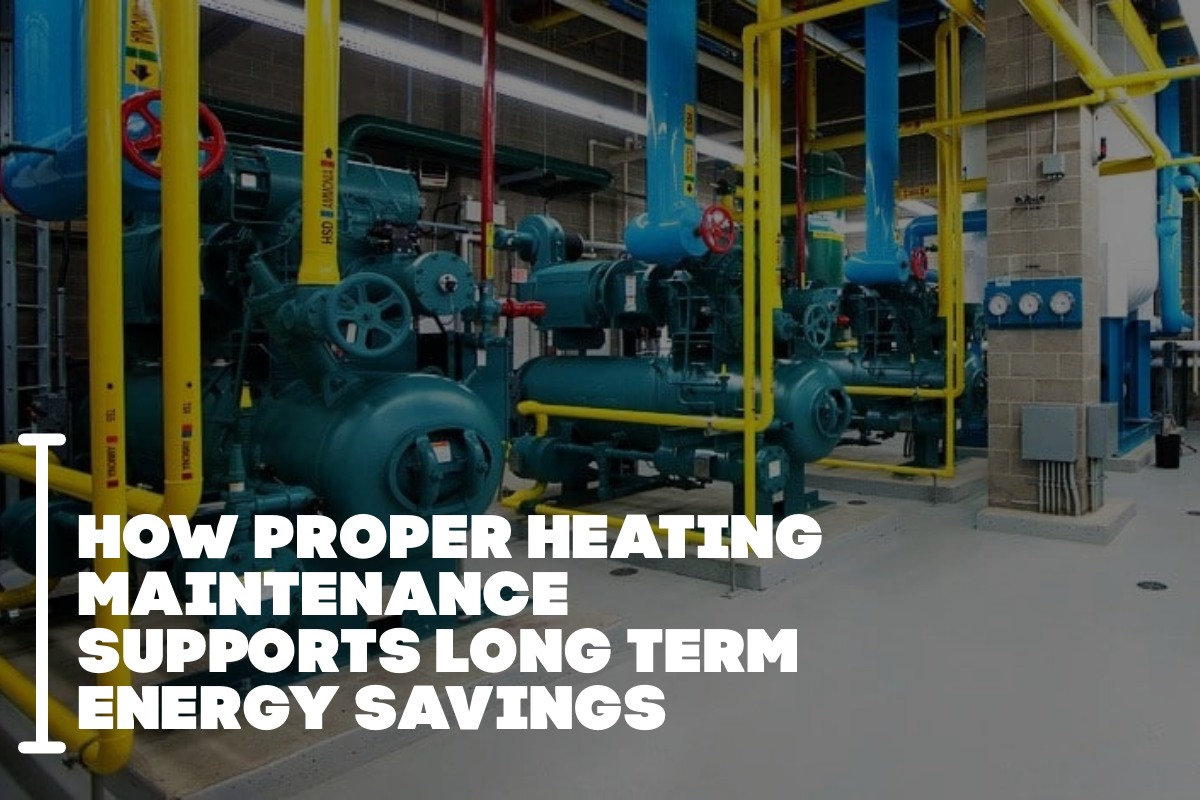
A heating system that’s operating efficiently doesn’t have to work as hard to produce the same amount of heat. Preventative maintenance ensures that your system runs at peak performance, which can help reduce energy consumption and lower heating bills.
Key Maintenance Tasks:
- Cleaning burners: Dirt and grime can accumulate on the burners, causing inefficient combustion. Regular cleaning ensures the system operates at optimal efficiency.
- Checking the thermostat: Calibration of the thermostat ensures that the system cycles on and off at the right times, avoiding unnecessary energy consumption.
- Inspecting the heat exchanger: Ensuring that the heat exchanger is free of blockages ensures efficient heat transfer and prevents energy loss.
Benefits:
- Lower Utility Bills: When the heating system operates efficiently, it uses less energy to reach the desired temperature, reducing your overall energy costs.
- Consistent Comfort: An efficient system is better at maintaining a consistent temperature throughout the home, providing a more comfortable living environment.
3. Detects Potential Problems Early
Regular inspections allow technicians to spot potential issues before they turn into major problems. During a preventative maintenance check, professionals can identify signs of wear, faulty components, or minor malfunctions that could worsen over time if left unchecked.
Key Maintenance Tasks:
- Inspecting gas connections: A technician will check for leaks in the gas lines, which could lead to safety hazards if ignored.
- Examining the heat exchanger for cracks: A crack in the heat exchanger can lead to dangerous carbon monoxide leaks. Early detection can prevent serious health risks and costly repairs.
- Testing the ignition system: Ensuring the ignition system is functioning properly prevents unexpected system shutdowns and improves safety.
Benefits:
- Increased Safety: Identifying and fixing problems like gas leaks or cracks in the heat exchanger before they become dangerous helps protect your home and family.
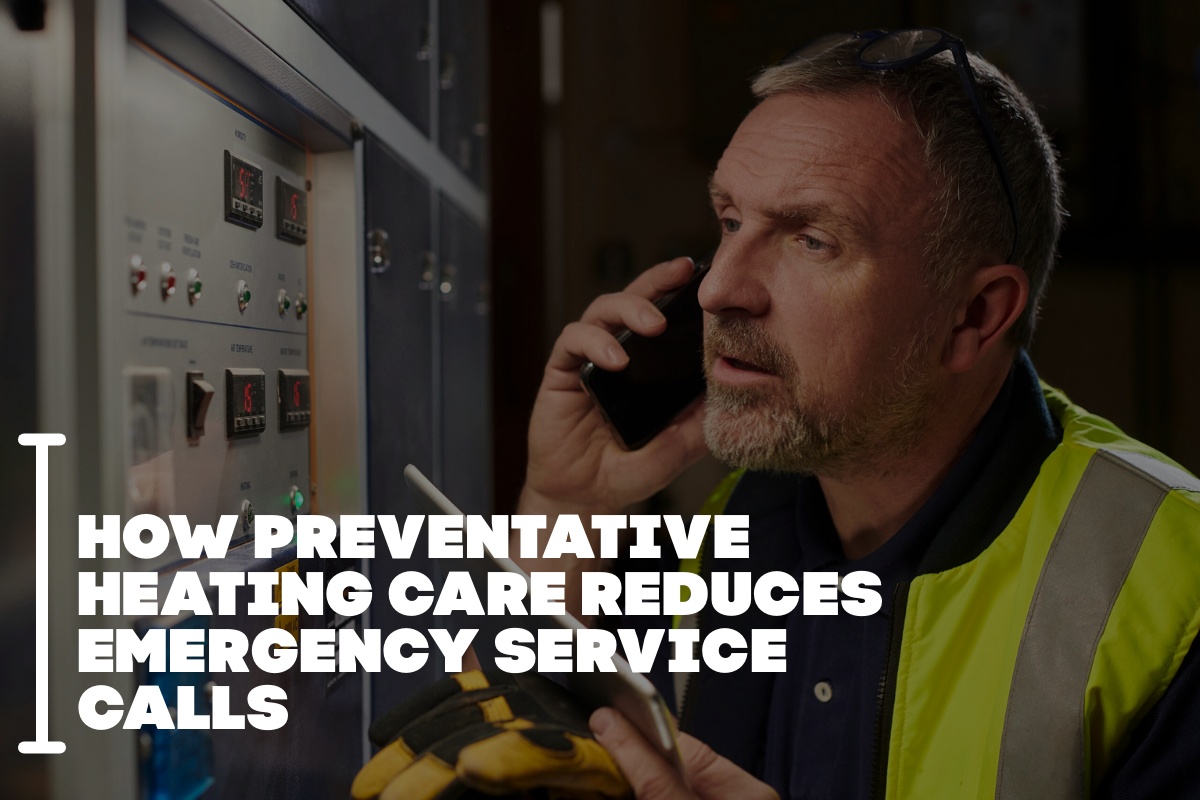
- Reduced Emergency Repairs: Catching small problems early reduces the likelihood of an emergency breakdown, saving you time and money.
4. Extends the Life of Your Equipment
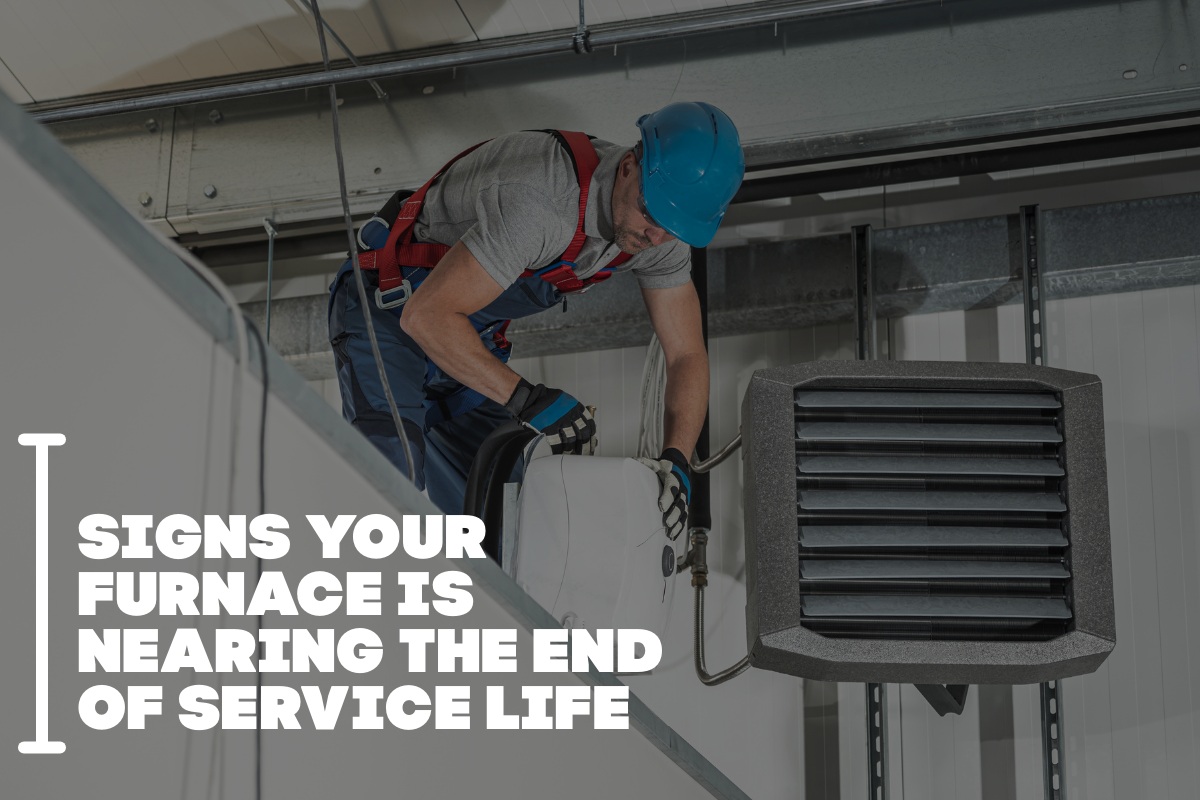
By keeping your system in good working order, preventative maintenance helps extend its lifespan. Regular maintenance ensures that your heating system operates at its optimal performance for as long as possible, preventing premature failure and reducing the need for costly replacements.
Key Maintenance Tasks:
- Cleaning or replacing air filters: Dirty air filters restrict airflow, making the system work harder to circulate warm air. Replacing or cleaning filters regularly can prevent unnecessary strain on the system.
- Checking airflow and ventilation: Ensuring that the ducts and vents are clear of blockages helps maintain proper airflow and reduce system strain.
Benefits:
- Longer Lifespan: Regular maintenance can extend the life of your heating equipment by addressing issues before they cause major damage, helping you avoid the cost of early replacement.
- Cost Savings: By avoiding the need for major repairs and replacements, preventative maintenance helps save money over the long term.
5. Maintains Warranty Protection
Many heating systems come with warranties that cover specific repairs and replacements. However, these warranties often require proof of regular maintenance to remain valid. Skipping routine maintenance could void your warranty, leaving you responsible for the full cost of repairs.
How to Maintain Warranty Coverage:
- Follow manufacturer guidelines: Ensure that you’re following the manufacturer’s recommended maintenance schedule to keep your warranty intact.
- Keep records: Document all maintenance visits and services performed to have a record in case a warranty claim is needed.
Benefits:
- Warranty Protection: Regular maintenance ensures that your warranty remains valid, potentially saving you significant costs if a major repair is needed.
- Peace of Mind: Knowing that your system is properly maintained and under warranty provides additional confidence in the longevity and safety of your heating equipment.
Preventative heating maintenance is crucial for ensuring the longevity, efficiency, and safety of your heating system, especially in colder climates like the Midwest. By addressing small issues before they become major problems, regular maintenance reduces the need for costly repairs, extends the life of your equipment, and enhances overall comfort and energy efficiency.
It’s an investment that pays off in the long run, providing peace of mind, reducing energy costs, and ensuring that your home stays warm and safe throughout the winter months.
Taking proactive steps to maintain your heating system not only protects your investment but also contributes to a more sustainable, cost-effective, and comfortable home environment. Scheduling annual maintenance with a qualified professional can help you keep your heating system in top condition, ensuring that it continues to serve you well for years to come.
FAQs
How often should I schedule a heating system inspection?
It’s recommended to schedule a professional heating system inspection at least once a year, typically before the start of the colder months. This ensures your system is ready for winter and can help catch potential issues early.
What are some signs that my heating system needs maintenance?
Signs that your heating system may need maintenance include inconsistent heating, strange noises, higher energy bills, or poor air quality. If you notice any of these issues, it’s best to schedule an inspection.
Can preventative maintenance help reduce heating costs?
Yes, regular maintenance ensures your system runs efficiently, which can reduce energy consumption and lower your heating bills. An efficient system uses less energy to achieve the desired temperature.
What happens if I skip heating system maintenance?
Skipping maintenance can lead to reduced efficiency, higher repair costs, and a shortened lifespan for your heating system. It may also void your warranty and increase the likelihood of emergency breakdowns during the colder months.
Is heating system maintenance covered by warranty?
Many manufacturers require proof of regular maintenance to keep the warranty valid. It’s important to follow the manufacturer’s maintenance guidelines to ensure your system is protected under warranty.