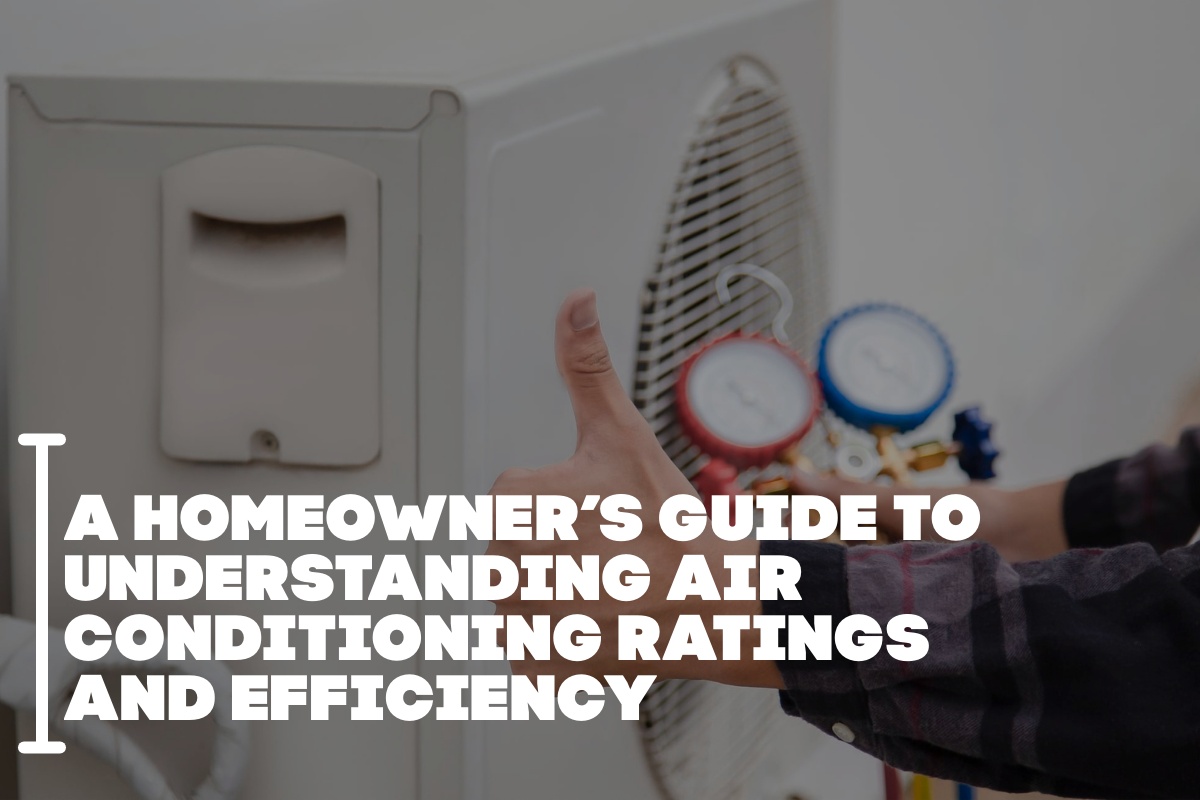
Choosing an air conditioning system can feel overwhelming, especially when faced with technical ratings, efficiency numbers, and unfamiliar acronyms. Understanding air conditioning ratings and efficiency helps homeowners make informed decisions that affect comfort, energy bills, and long-term costs. This guide breaks down the most important concepts in simple, practical terms.
Why Air Conditioning Ratings Matter
Air conditioning ratings are designed to measure how efficiently a system cools your home relative to the energy it consumes. Higher efficiency generally means lower operating costs and reduced environmental impact.
Understanding these ratings helps you:
- Compare different AC systems fairly
- Estimate long-term energy costs
- Choose equipment suited to your climate
- Avoid overpaying for unnecessary features
Efficiency ratings are not just technical details—they directly affect your monthly expenses.
What SEER Means and Why It’s Important
SEER stands for Seasonal Energy Efficiency Ratio. It measures how much cooling an air conditioner provides over an entire cooling season divided by the energy it uses.
In simple terms:
- Higher SEER = greater efficiency
- Lower SEER = higher energy use
For example, a system with a higher SEER rating uses less electricity to deliver the same amount of cooling as a lower-rated unit.
Minimum SEER Ratings Explained
Minimum SEER requirements vary by region and are set to improve energy efficiency nationwide. These minimums ensure new systems meet basic efficiency standards.
However, minimum-rated systems:
- Are less expensive upfront
- May cost more to operate long-term
- Are best suited for mild climates or limited use
Higher-SEER systems cost more initially but often pay off over time through energy savings.
Understanding EER for Peak Performance
EER, or Energy Efficiency Ratio, measures efficiency at a single, peak operating condition—usually during very hot weather.
EER is useful because:
- It shows how the system performs during extreme heat
- It helps homeowners in hot climates compare performance under stress
A good EER rating indicates reliable efficiency when cooling demand is highest.
HSPF for Heat Pump Systems
If your home uses a heat pump, you may see HSPF, which stands for Heating Seasonal Performance Factor.
HSPF measures:
- Heating efficiency over a season
- How effectively a heat pump converts electricity into heat
Higher HSPF ratings mean better heating efficiency and lower winter energy costs.
ENERGY STAR® Certification Explained
ENERGY STAR® certified air conditioners meet higher efficiency standards set by environmental and energy agencies.
ENERGY STAR systems:
- Use less energy than standard models
- Often qualify for rebates or incentives
- Reduce long-term operating costs
Certification makes it easier for homeowners to identify energy-efficient options quickly.
Efficiency vs. System Size: Why Bigger Isn’t Better
Many homeowners assume a larger air conditioner cools better, but oversized systems can actually reduce efficiency.
Oversized systems:
- Cycle on and off too frequently
- Waste energy
- Struggle with humidity control
- Wear out faster
Proper sizing ensures the system runs efficiently and maintains consistent comfort.
Climate Plays a Major Role in Efficiency Value
The ideal efficiency rating depends on where you live.
For example:
- Hot climates benefit more from higher SEER ratings
- Mild climates may not justify the cost of ultra-high efficiency systems
Choosing efficiency that matches your climate ensures the best return on investment.
Installation Quality Affects Real-World Efficiency
Even the highest-rated air conditioner will underperform if installed incorrectly.
Proper installation ensures:
- Correct airflow
- Accurate refrigerant levels
- Optimal system performance
Poor installation can reduce efficiency by a significant margin, regardless of ratings.
Maintenance Keeps Efficiency Ratings Meaningful
Efficiency ratings assume the system is well maintained. Dirty filters, clogged coils, or neglected components reduce performance.
Regular maintenance:
- Preserves rated efficiency
- Extends system lifespan
- Keeps energy costs predictable
Maintenance is essential to realizing the benefits of a high-efficiency system.
Understanding Annual Operating Costs
Efficiency ratings help estimate how much an air conditioner will cost to run annually.
Higher efficiency:
- Lowers monthly energy bills
- Reduces long-term ownership costs
- Provides more predictable expenses
Looking beyond purchase price gives a clearer picture of total cost of ownership.
Efficiency and Environmental Impact
Efficient air conditioners reduce electricity demand, which lowers greenhouse gas emissions from power generation.
Choosing efficient systems:
- Reduces your carbon footprint
- Supports sustainability goals
- Aligns comfort with environmental responsibility
Efficiency benefits both homeowners and the broader environment.
How to Use Ratings When Shopping for an AC
When comparing systems, focus on:
- SEER (or equivalent seasonal rating)
- EER for hot climates
- ENERGY STAR certification
- Proper sizing recommendations
Efficiency ratings are most valuable when considered alongside installation quality and climate suitability.
Making a Confident, Informed Decision
Understanding air conditioning ratings empowers homeowners to choose systems that balance comfort, cost, and efficiency. Rather than focusing solely on upfront price, efficiency ratings provide insight into how a system will perform year after year.
A well-chosen, properly installed, and maintained air conditioner delivers reliable comfort while keeping energy costs under control.
Frequently Asked Questions (FAQ)
Q. Is a higher SEER rating always better?
Not always. Higher SEER systems save more energy, but the added cost may not be worth it in mild climates.
Q. How much can efficiency reduce energy bills?
Upgrading from a low-efficiency system can reduce cooling costs significantly, depending on usage and climate.
Q. Do efficiency ratings guarantee performance?
They indicate potential efficiency, but proper installation and maintenance are critical.
Q. Is ENERGY STAR certification important?
Yes. It helps identify systems that exceed minimum efficiency standards.
Q. Should I replace an older system just for efficiency?
If your current system is inefficient and costly to run, upgrading can provide long-term savings and improved comfort.