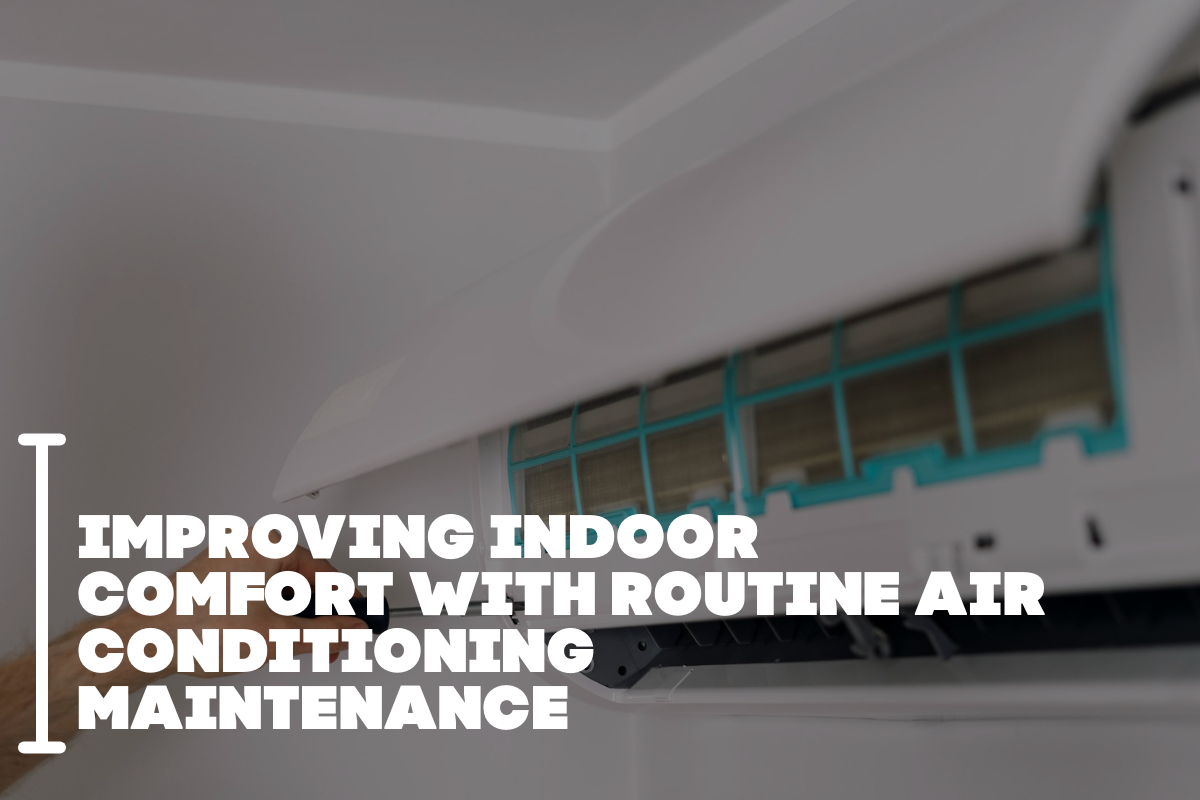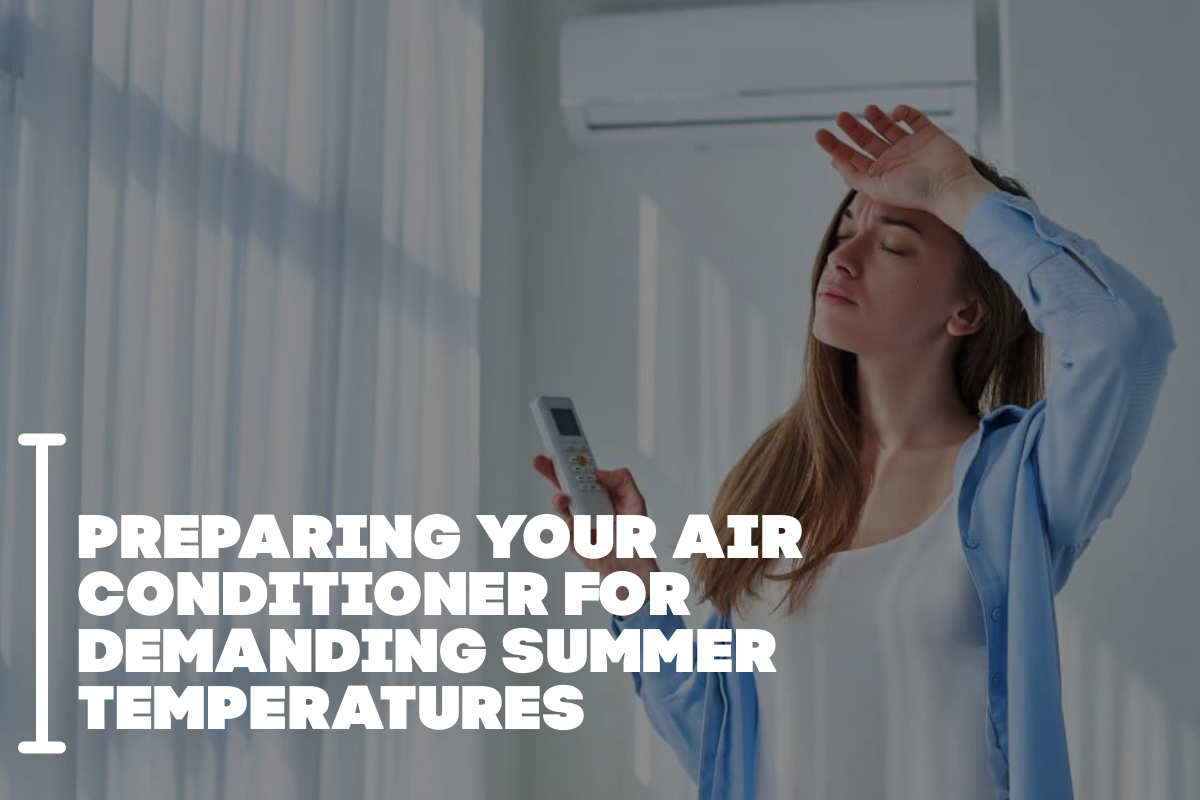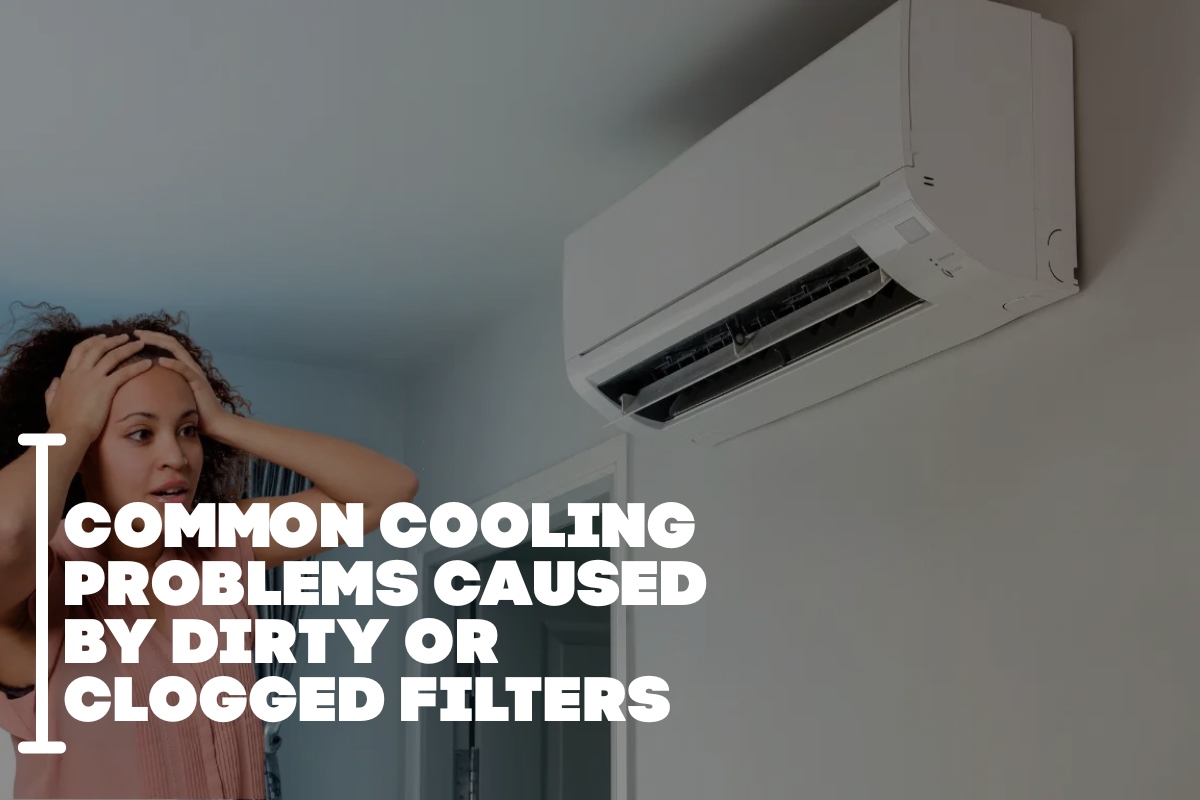
Your air conditioning system relies on clean airflow to function properly. One of the simplest yet most overlooked causes of cooling problems is a dirty or clogged air filter. When filters become filled with dust, dirt, pet hair, and debris, they restrict airflow and force your system to work harder than it should.
This not only reduces comfort but can also lead to higher energy bills and costly repairs. Understanding the common cooling problems caused by dirty filters can help homeowners recognize issues early and protect their HVAC systems.
Reduced Airflow and Weak Cooling Performance
A clogged filter blocks the flow of air through your HVAC system. When less air can pass through, the system struggles to circulate cool air throughout your home.
You may notice that certain rooms feel warmer than others or that the airflow from vents feels weak. This uneven cooling can make your home uncomfortable, even when the system is running constantly. Reduced airflow is often the first and most noticeable sign that a filter needs to be replaced.
Higher Energy Bills
When airflow is restricted, your air conditioner has to run longer and harder to reach the desired temperature. This increased workload causes the system to consume more electricity.
As a result, homeowners often see unexplained spikes in their energy bills during cooling seasons. Simply replacing a dirty filter with a clean one can significantly improve efficiency and reduce monthly utility costs.
Frozen Evaporator Coils
One of the more serious problems caused by clogged filters is frozen evaporator coils. The evaporator coil needs consistent airflow to absorb heat properly. When airflow is reduced, the coil can become too cold and begin to freeze.
Ice buildup on the coils further restricts airflow and can eventually cause the system to stop cooling altogether. If left unresolved, frozen coils can lead to compressor damage and expensive repairs.
Increased Wear and Tear on the System
A system that constantly struggles against restricted airflow experiences greater mechanical stress. Motors, fans, and compressors are forced to work harder than they were designed to.
Over time, this added strain can shorten the lifespan of critical components. What starts as a simple maintenance issue can eventually turn into costly part replacements or even the need for a full system replacement.
Poor Indoor Air Quality
Air filters play an important role in maintaining indoor air quality. They trap dust, pollen, allergens, and other airborne particles before they circulate through your home.
When filters become clogged, they are less effective at capturing contaminants. This can lead to increased dust in the air, worsening allergy symptoms, unpleasant odors, and an overall decline in indoor air quality, especially for those with respiratory sensitivities.
Short Cycling and System Overheating
Restricted airflow can also cause your cooling system to short cycle, meaning it turns on and off more frequently than normal. This happens because the system struggles to regulate temperature effectively.
Short cycling reduces efficiency and puts extra stress on components. In some cases, overheating caused by airflow issues can trigger safety shutoffs, leaving your home without cooling during the hottest times.
Increased Risk of Unexpected Breakdowns
Dirty filters contribute to multiple system issues at once: reduced airflow, overheating, frozen coils, and excessive strain. Together, these conditions significantly increase the likelihood of unexpected breakdowns.
Many emergency HVAC repair calls during summer months are linked to neglected filter maintenance. Regular filter changes are one of the easiest ways to prevent sudden system failures.
Frequently Asked Questions
How often should I change my air filter?
Most filters should be changed every one to three months, depending on usage, pets, allergies, and indoor air conditions.
Can a dirty filter really stop my air conditioner from working?
Yes. Severely clogged filters can restrict airflow enough to cause frozen coils or system shutdowns.
Will changing the filter improve cooling immediately?
In many cases, yes. Replacing a dirty filter often restores airflow and improves cooling performance quickly.
Do higher-quality filters clog faster?
Some high-efficiency filters may clog more quickly because they capture more particles, which is why regular replacement is important.
Can dirty filters damage my HVAC system?
Over time, yes. Restricted airflow increases strain on components and can lead to premature system failure.
Is filter replacement something I can do myself?
Yes. Most residential HVAC filters are easy to replace and require no special tools. Regular replacement is one of the best DIY maintenance tasks for homeowners.