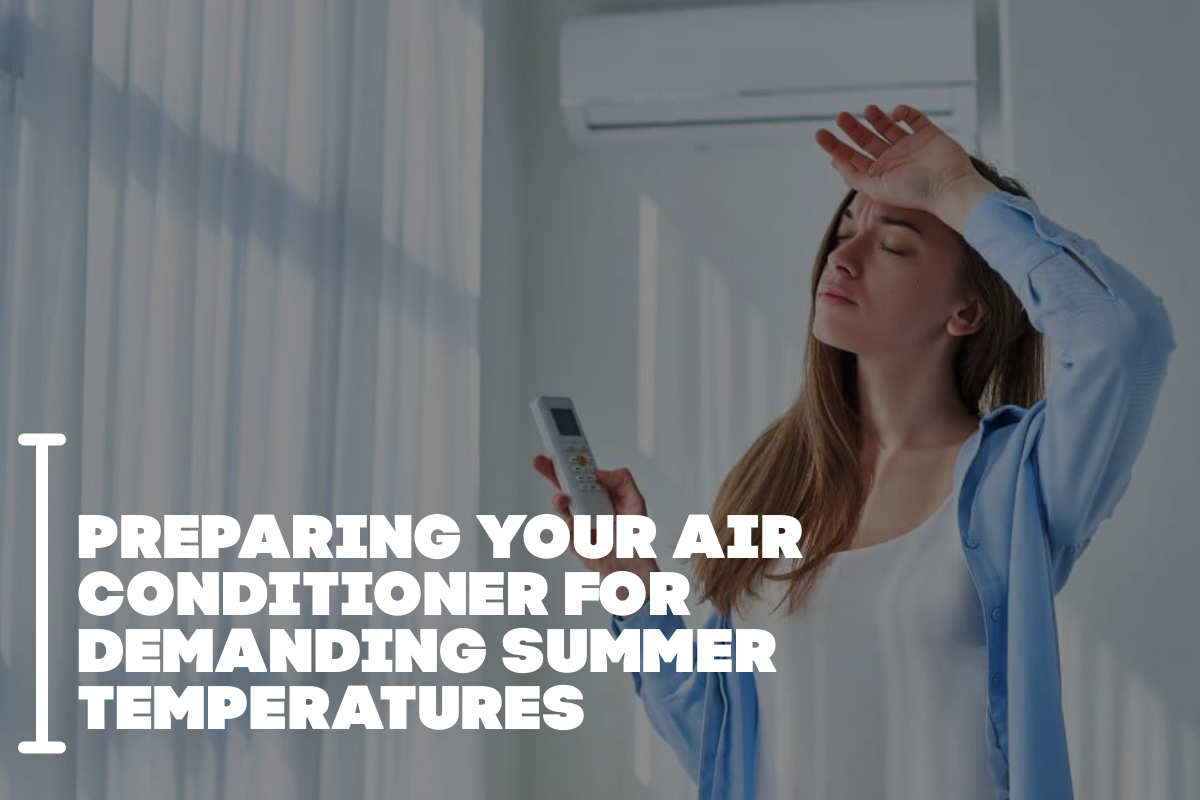
An air conditioner plays a central role in maintaining indoor comfort, especially during warm and humid months. As an AC system ages, however, its ability to regulate temperature, humidity, and airflow gradually declines.
Many homeowners notice comfort issues long before the system completely fails, often assuming the problem lies with the weather rather than the equipment itself. Understanding how aging air conditioners affect indoor comfort can help homeowners recognize when performance is slipping and take action before discomfort becomes persistent.
Declining Temperature Consistency
One of the earliest signs of an aging air conditioner is uneven cooling. Older systems often struggle to maintain a consistent temperature throughout the home. Some rooms may feel noticeably warmer than others, even when vents are open and the thermostat is set correctly.
This happens as internal components wear down. Compressors lose efficiency, motors weaken, and airflow becomes less balanced. Over time, the system may cycle on and off more frequently or run longer than necessary, both of which reduce its ability to maintain steady comfort.
Reduced Humidity Control
Comfort is not just about temperature—humidity plays a major role as well. Aging air conditioners often lose their ability to effectively remove moisture from indoor air. When humidity levels rise, rooms can feel sticky, heavy, and warmer than the thermostat reading suggests.
Poor humidity control can also contribute to secondary issues such as musty odors, condensation on windows, and increased potential for mold growth. Even if the air feels cool, excess moisture can make the environment uncomfortable and unhealthy.
Weakened Airflow and Circulation
As air conditioners age, airflow often diminishes. Dust buildup, worn blower motors, and aging fan components all contribute to reduced circulation. Weak airflow means cooled air doesn’t travel efficiently through the home, resulting in stagnant or stuffy conditions.
In some cases, homeowners may notice certain vents producing very little air, while others seem normal. This imbalance reduces overall comfort and forces the system to work harder to achieve the desired temperature.
Increased Noise and Disruptions
Older air conditioners are typically louder than newer models. As components wear out, the system may produce rattling, buzzing, or humming sounds during operation. These noises can disrupt sleep, conversations, and overall peace within the home.
Noise issues also indicate declining performance. Vibrations, loose parts, or struggling motors not only affect comfort audibly but often signal reduced efficiency behind the scenes.
Slower Response to Temperature Changes
An aging AC system often takes longer to cool the home, especially during peak heat. Homeowners may notice that it struggles to recover after the thermostat is adjusted or after outdoor temperatures rise quickly.
This slow response leads to prolonged discomfort and higher energy usage, as the system runs longer without delivering the same level of cooling it once did.
Impact on Overall Indoor Air Quality
Older air conditioners can negatively affect indoor air quality. As efficiency declines, filters may clog more quickly, and the system may circulate dust, allergens, and pollutants more frequently. Poor humidity control further worsens air quality by creating conditions where airborne irritants thrive.
As comfort decreases, occupants may experience increased allergy symptoms, headaches, or general fatigue—often without realizing the air conditioning system is a contributing factor.
FAQs
How old is too old for an air conditioner?
Most air conditioners last about 10 to 15 years. After this point, comfort and efficiency often decline noticeably.
Can maintenance restore comfort in an aging AC?
Regular maintenance can improve performance temporarily, but it cannot fully reverse age-related wear.
Why does my home feel humid even when the AC is running?
Aging systems often struggle with moisture removal, leading to poor humidity control despite cooling.
Does an older AC increase energy bills?
Yes. Reduced efficiency causes the system to run longer, increasing energy consumption and costs.
When should comfort issues prompt replacement consideration?
If uneven cooling, humidity problems, noise, and rising bills persist despite repairs, replacement is often the best long-term solution.