Air conditioning systems are designed to operate efficiently when air flows freely and components remain clean. Over time, however, dust, dirt, pollen, and debris naturally accumulate inside the system.
These dirty components gradually reduce efficiency, increase energy consumption, and place unnecessary strain on the equipment. What begins as a minor maintenance issue can eventually lead to higher utility bills, reduced comfort, and premature system failure if left unaddressed.
The Role of Clean Components in AC Efficiency
An air conditioner works by moving heat from inside your home to the outside. To do this effectively, it relies on unobstructed airflow and clean heat-transfer surfaces. Filters, coils, fans, and vents must all work together smoothly. When any of these components become dirty, the system must work harder to achieve the same cooling result, directly reducing overall efficiency.
Dirty Air Filters and Restricted Airflow
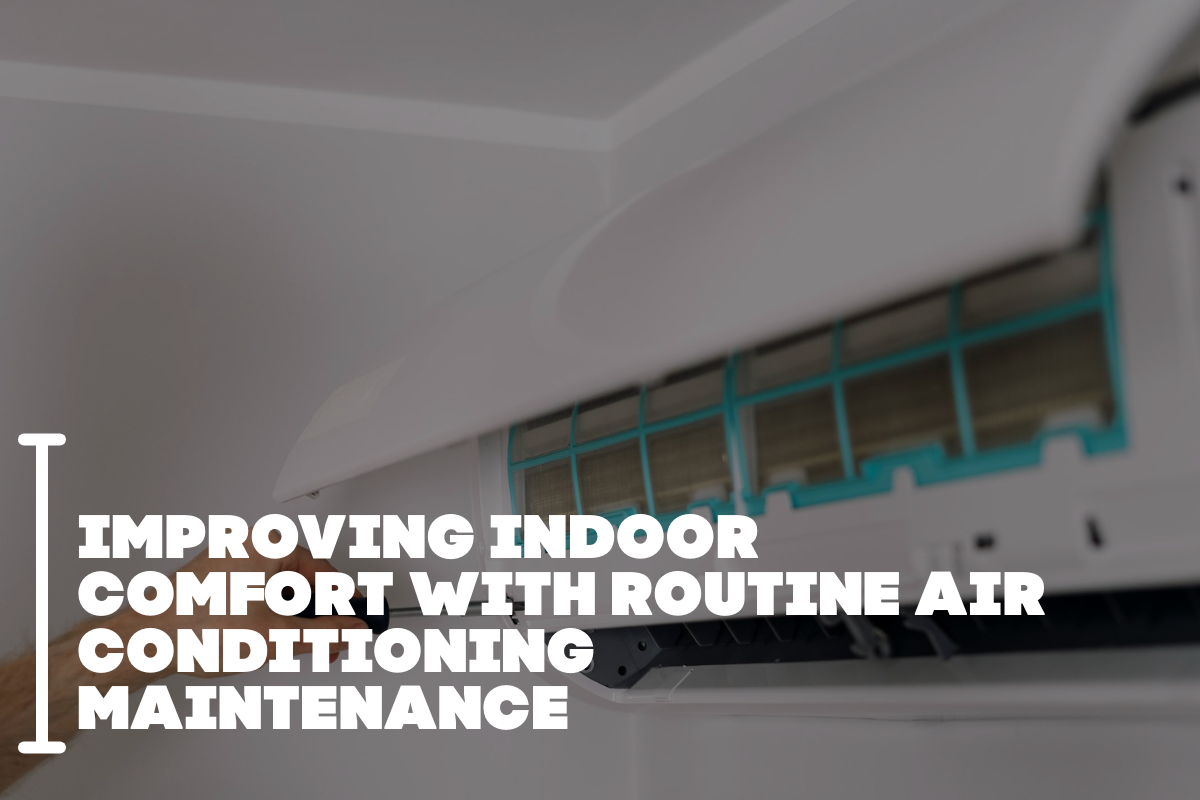
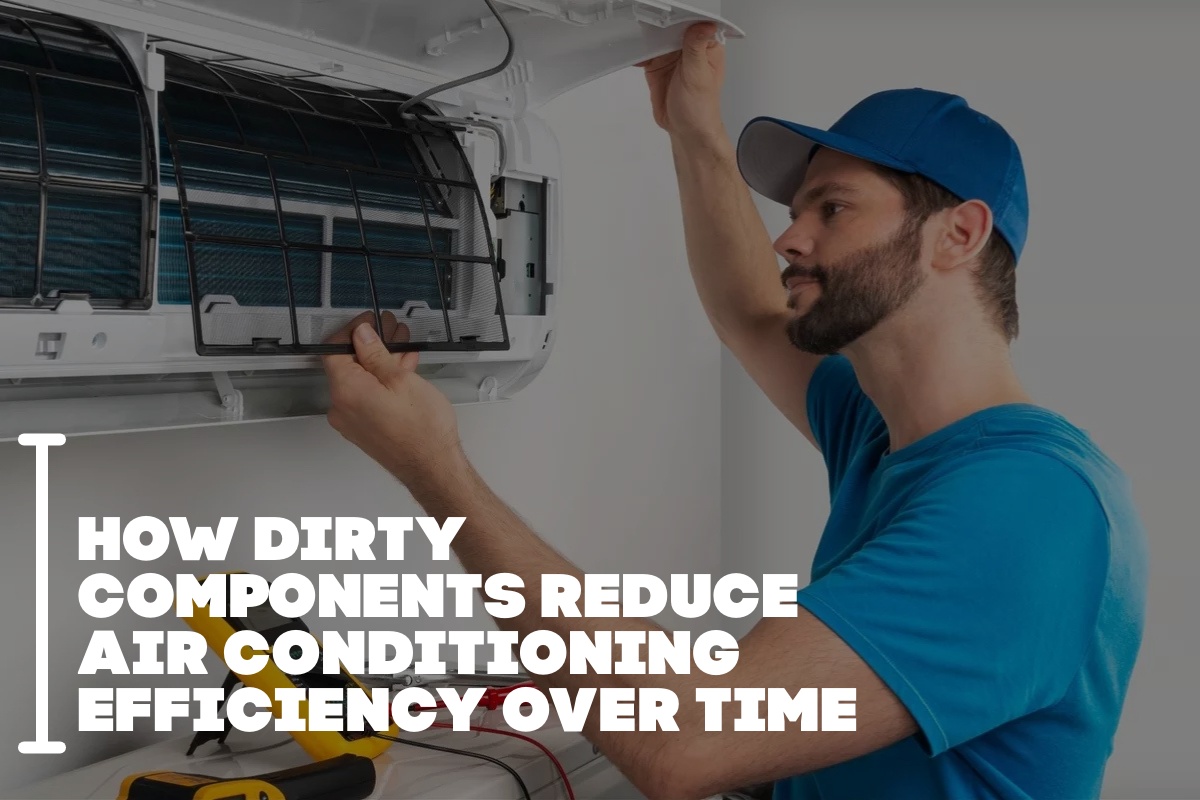
One of the most common and impactful issues is a dirty air filter. Filters are designed to trap dust and airborne particles, but as they fill up, airflow becomes restricted. Reduced airflow forces the system to run longer cycles to cool your home, increasing energy use. In severe cases, restricted airflow can cause the evaporator coil to become too cold and freeze, further reducing performance and potentially causing damage.
Dusty Evaporator Coils and Heat Transfer Loss
Evaporator coils are responsible for absorbing heat from indoor air. When dust and grime coat these coils, they act as an insulating layer that interferes with heat absorption. As a result, the air conditioner struggles to remove heat efficiently, leading to longer run times and uneven cooling. Dirty evaporator coils also contribute to ice buildup, which compounds efficiency losses and can interrupt cooling altogether.
Dirty Condenser Coils and Outdoor Heat Release
The condenser coil, located in the outdoor unit, releases heat absorbed from inside the home. Over time, dirt, leaves, grass clippings, and debris can accumulate on the coil’s surface. This buildup prevents heat from dissipating effectively, forcing the compressor to work harder and longer. A stressed compressor consumes more electricity and is more likely to overheat or fail prematurely.
Fan and Blower Component Contamination
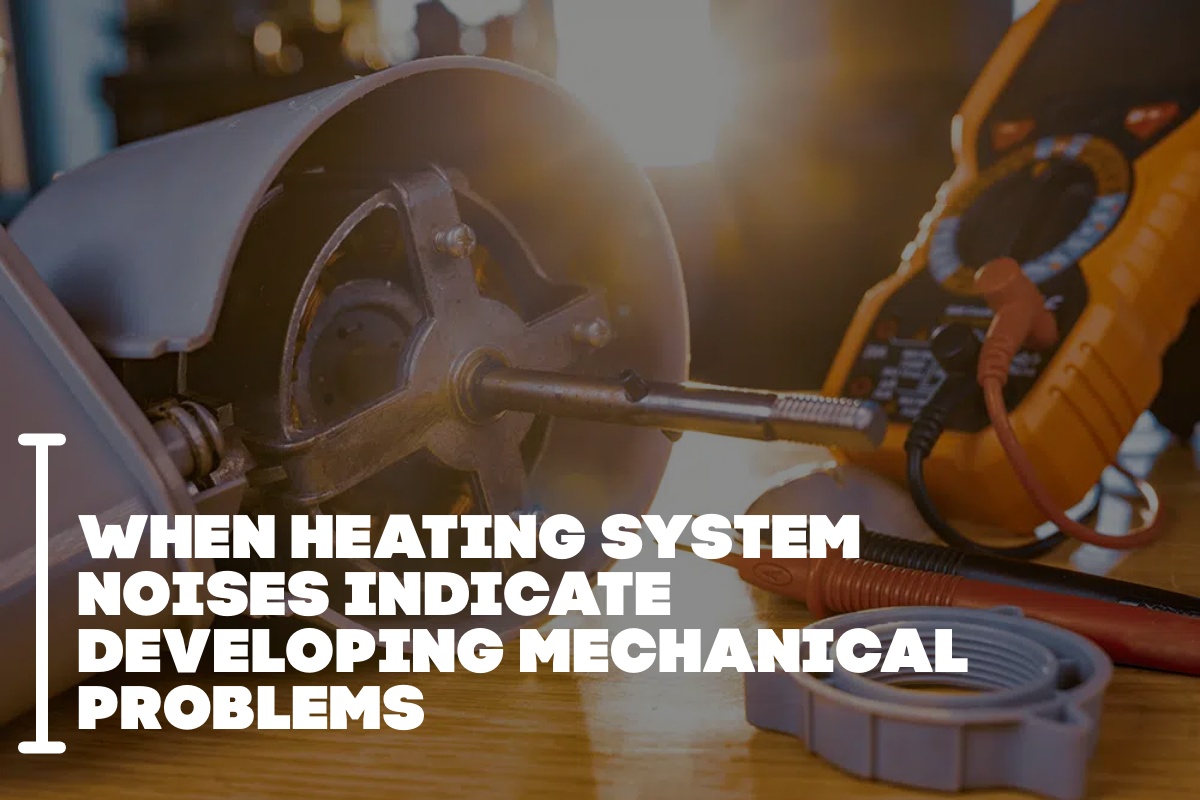
Fans and blowers play a crucial role in moving air across coils and through ductwork. Dirt buildup on fan blades reduces their ability to move air efficiently and can throw components off balance. This not only decreases airflow but also increases wear on motors and bearings. The result is higher energy consumption, increased noise, and a greater risk of mechanical failure.
Increased System Strain and Energy Consumption
When dirty components reduce airflow and heat transfer, the entire system compensates by running longer and cycling more frequently. This increased workload raises energy consumption and accelerates wear on critical parts such as the compressor, motors, and electrical components. Over time, this strain shortens the lifespan of the air conditioner and increases the likelihood of costly repairs.
Impact on Comfort and Indoor Air Quality
Reduced efficiency doesn’t just affect energy bills—it also impacts comfort. Homes may experience uneven temperatures, weak airflow, and longer cooling times. Additionally, dirty components can contribute to poor indoor air quality by recirculating dust, allergens, and contaminants. This is especially problematic for individuals with allergies, asthma, or respiratory sensitivities.
Preventing Efficiency Loss Through Regular Maintenance
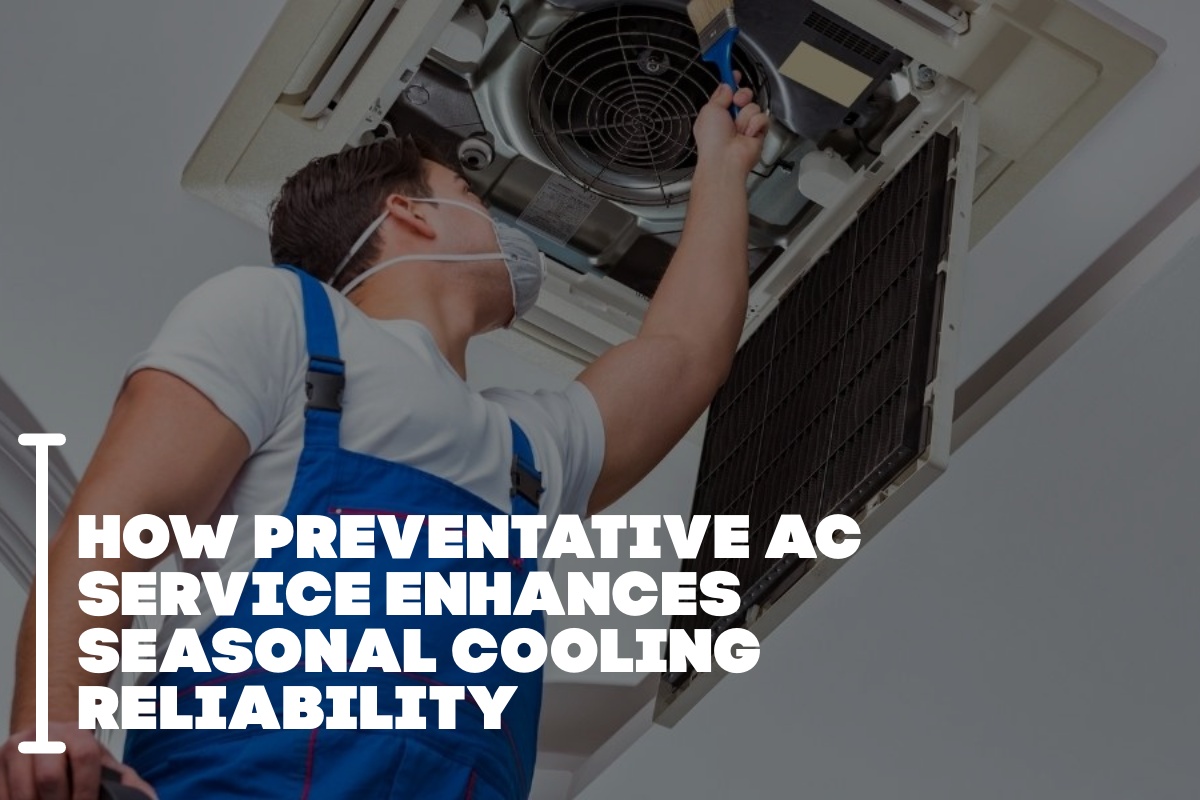
Routine maintenance is the most effective way to prevent efficiency loss caused by dirty components. Regular filter changes, professional coil cleaning, and system inspections keep airflow unrestricted and heat transfer efficient. Maintenance allows technicians to identify early signs of buildup or wear before they lead to performance issues or breakdowns. Consistent care not only improves efficiency but also protects your investment over the long term.
FAQs
How quickly can dirty components affect AC efficiency?
Efficiency can begin to decline within months if filters and coils are not properly maintained.
Which AC component gets dirty the fastest?
Air filters typically collect dirt the fastest and should be checked and replaced regularly.
Can dirty coils cause higher electricity bills?
Yes, dirty coils reduce heat transfer efficiency, forcing the system to run longer and consume more energy.
Is cleaning AC components a DIY task?
Basic tasks like filter replacement can be done by homeowners, but coil cleaning and internal inspections are best handled by professionals.
How often should professional AC maintenance be scheduled?
Most systems benefit from professional maintenance at least once a year, ideally before peak cooling season.