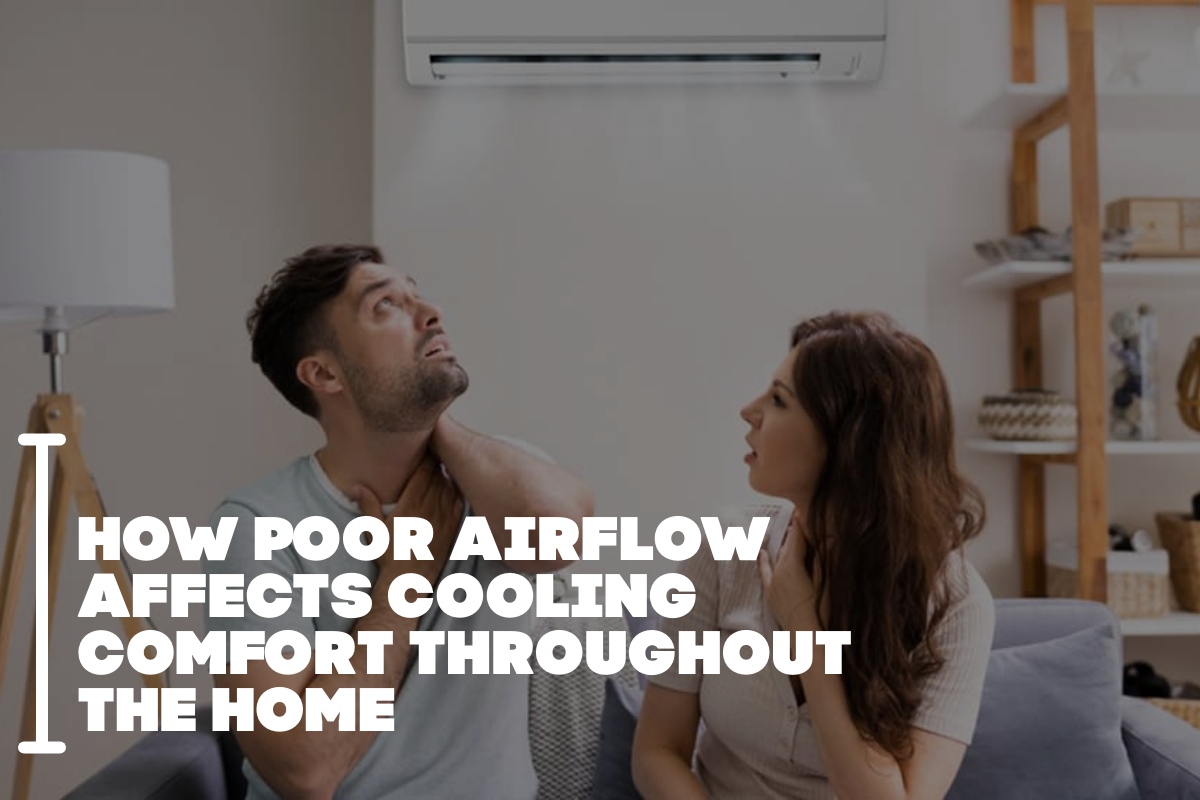
Cooling comfort depends on more than just a powerful air conditioning unit—it relies heavily on consistent, balanced airflow. When airflow is restricted or uneven, even the most efficient cooling system can struggle to keep a home comfortable.
Poor airflow not only creates hot and cold spots but also strains mechanical components, increases energy costs, and reduces indoor air quality. Understanding how airflow impacts cooling performance helps homeowners recognize problems early and maintain consistent comfort throughout the home.
Uneven Temperatures and Hot Spots
One of the most noticeable effects of poor airflow is uneven cooling. Certain rooms may feel stiflingly warm while others are excessively cold. This imbalance occurs when cooled air cannot circulate properly through ductwork or vents, preventing consistent distribution.
Common causes include clogged air filters, blocked vents, damaged ducts, or improperly sized duct systems. When airflow is restricted, cooled air follows the path of least resistance, leaving distant or upper-level rooms undercooled. These temperature differences reduce overall comfort and make it difficult to maintain a stable indoor environment.
Increased System Strain and Reduced Efficiency
When airflow is compromised, cooling systems must work harder to achieve the desired temperature. Restricted airflow forces the system to run longer cycles, increasing wear on components such as the blower motor and compressor. Over time, this added strain can lead to premature equipment failure.
Poor airflow also reduces energy efficiency. The system consumes more power while delivering less effective cooling, resulting in higher utility bills. Even minor airflow restrictions can significantly impact system performance when left uncorrected.
Humidity Control Issues
Proper airflow plays a key role in managing indoor humidity levels. Air conditioners remove moisture from the air as they cool, but this process depends on steady air movement across the evaporator coil. When airflow is weak, moisture removal becomes less effective.
As a result, the home may feel sticky or humid even when temperatures appear cool. Excess humidity can make spaces feel warmer than they actually are and contribute to discomfort, especially during peak summer months.
Decline in Indoor Air Quality
Poor airflow doesn’t just affect temperature—it also impacts indoor air quality. When air circulation is limited, dust, allergens, and pollutants are more likely to accumulate inside the home. Stagnant air allows contaminants to linger instead of being filtered out by the system.
Additionally, clogged filters or ducts can redistribute dust and debris throughout the home. Over time, this can aggravate allergies, trigger respiratory issues, and create an overall sense of stale air.
Reduced Cooling Reach in Multi-Level Homes
Multi-story homes are especially vulnerable to airflow-related cooling issues. Cool air naturally settles, making upper floors warmer when airflow is inadequate. Without proper circulation, the cooling system may struggle to deliver enough conditioned air upstairs.
Poor airflow in these homes often leads to constant thermostat adjustments and inconsistent comfort between floors. Addressing airflow balance is essential for maintaining even cooling throughout the entire living space.
Warning Signs of Airflow Problems
Several warning signs indicate airflow issues within a cooling system. Weak air coming from vents, rooms that never seem to cool, frequent system cycling, and unusual noises from ductwork or vents can all signal airflow restrictions.
Recognizing these symptoms early allows homeowners to address problems before they escalate into major repairs or system replacements.
Long-Term Consequences of Ignoring Poor Airflow
Ignoring airflow issues can have lasting consequences. Continuous system strain shortens equipment lifespan and increases the likelihood of breakdowns during high-demand periods. Energy costs continue to rise, and comfort levels remain inconsistent.
Over time, unresolved airflow problems can undermine the overall performance of the cooling system, turning a manageable issue into a costly one. Proactive airflow assessments and regular maintenance help protect comfort, efficiency, and system longevity.
FAQs
What causes poor airflow in a cooling system?
Common causes include dirty air filters, blocked vents, duct leaks, undersized ductwork, and failing blower motors.
Can poor airflow make my home feel humid?
Yes. Restricted airflow reduces moisture removal, leading to higher indoor humidity and reduced comfort.
Does poor airflow increase energy bills?
Absolutely. When airflow is limited, the system works harder and runs longer, increasing energy consumption.
How can I tell if airflow is the problem?
Uneven temperatures, weak air from vents, and rooms that won’t cool properly are strong indicators of airflow issues.
Can regular maintenance improve airflow?
Yes. Routine filter changes, duct inspections, and system servicing help maintain proper airflow and consistent cooling comfort.