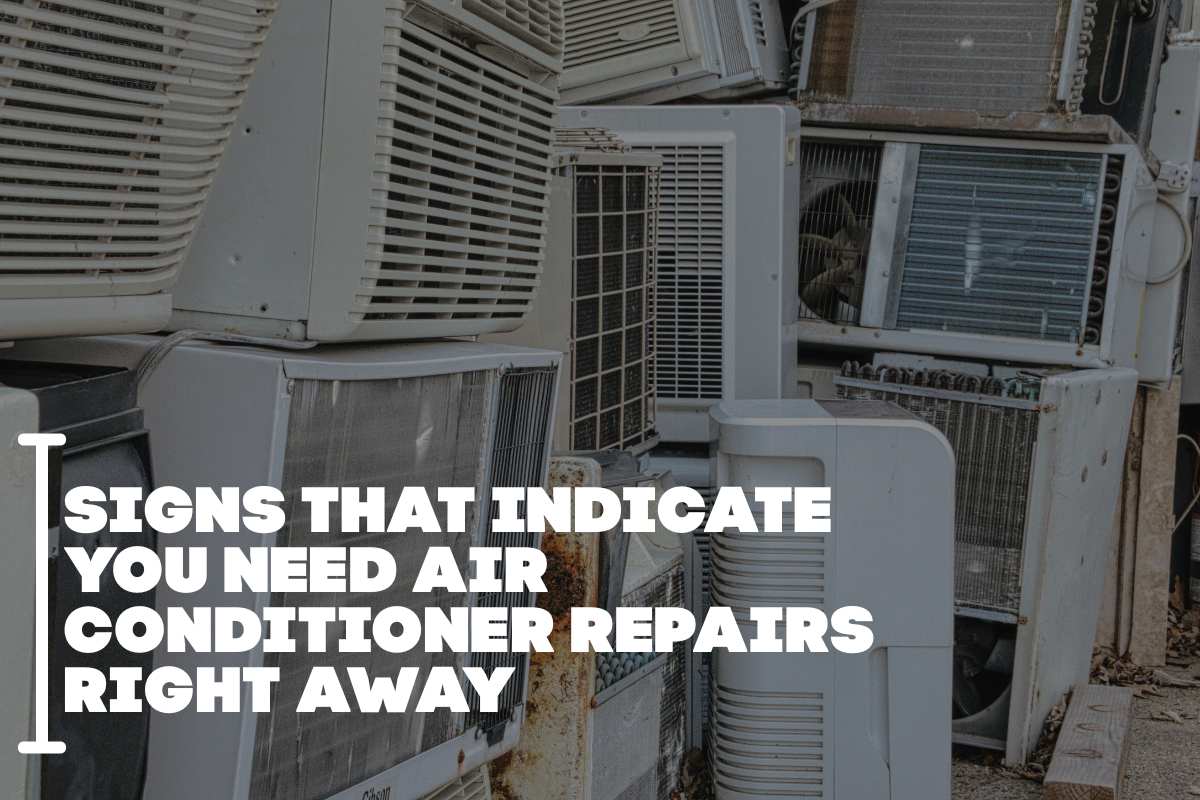
Air conditioners in the US often show clear warning signs of serious trouble during peak summer heat, requiring immediate professional repairs to prevent health risks, property damage, or full system failure. Common indicators include warm air output, strange noises, and refrigerant leaks, which HVAC experts across states like Texas, Florida, and California urge homeowners to address promptly. Recognizing these signals ensures safety and avoids costly breakdowns.
Warm Air Blowing from Vents
When vents emit warm or room-temperature air despite the AC running, the compressor, refrigerant levels, or evaporator coils likely fail, halting cooling. This emergency demands quick action in humid US climates, where indoor heat spikes rapidly, risking heatstroke for vulnerable residents. Technicians note low refrigerant from leaks as a primary culprit, worsening without repair.
Short Cycling or Constant On-Off
Short cycling—where the unit activates briefly then shuts off—signals thermostat issues, low refrigerant, or an oversized system, causing uneven cooling and component wear. US pros warn this accelerates breakdowns, especially in hot regions like Arizona, potentially leading to compressor failure costing thousands. Immediate service prevents energy waste and fire hazards from overheating.
Unusual Noises from the Unit
Grinding, squealing, banging, or rattling sounds indicate loose parts, failing motors, or debris in fans, common in aging US residential systems over 10 years old. These noises precede total shutdowns; ignoring them risks extensive damage during heatwaves. Hissing suggests refrigerant leaks, illegal to handle without EPA-certified techs per US regulations.
Poor or No Airflow
Weak airflow from vents often stems from clogged filters, blower motor failure, or blocked ducts, reducing efficiency and straining the system. In high-use states like Nevada, this triggers overheating; check filters first, but persistent issues require pros to avert frozen coils. Complete airflow loss signals fan or electrical faults needing urgent fixes.
Strange Odors Emitted
Burning smells point to electrical shorts or overheating wires, posing fire risks in homes nationwide. Musty odors indicate mold from drain clogs, while chemical scents signal refrigerant leaks harmful to health and banned under US environmental laws. Turn off the unit immediately and call 24/7 services common in the South.
Water Leaks or Pooling
Leaks around indoor units arise from clogged condensate drains, frozen coils, or cracked pans, fostering mold growth—a major concern in humid Southeast US homes. Outdoor pooling signals bigger plumbing or coil issues; prompt repair prevents structural damage and indoor air quality drops. Frozen evaporator coils from low refrigerant demand certified handling.
Electrical or Thermostat Failures
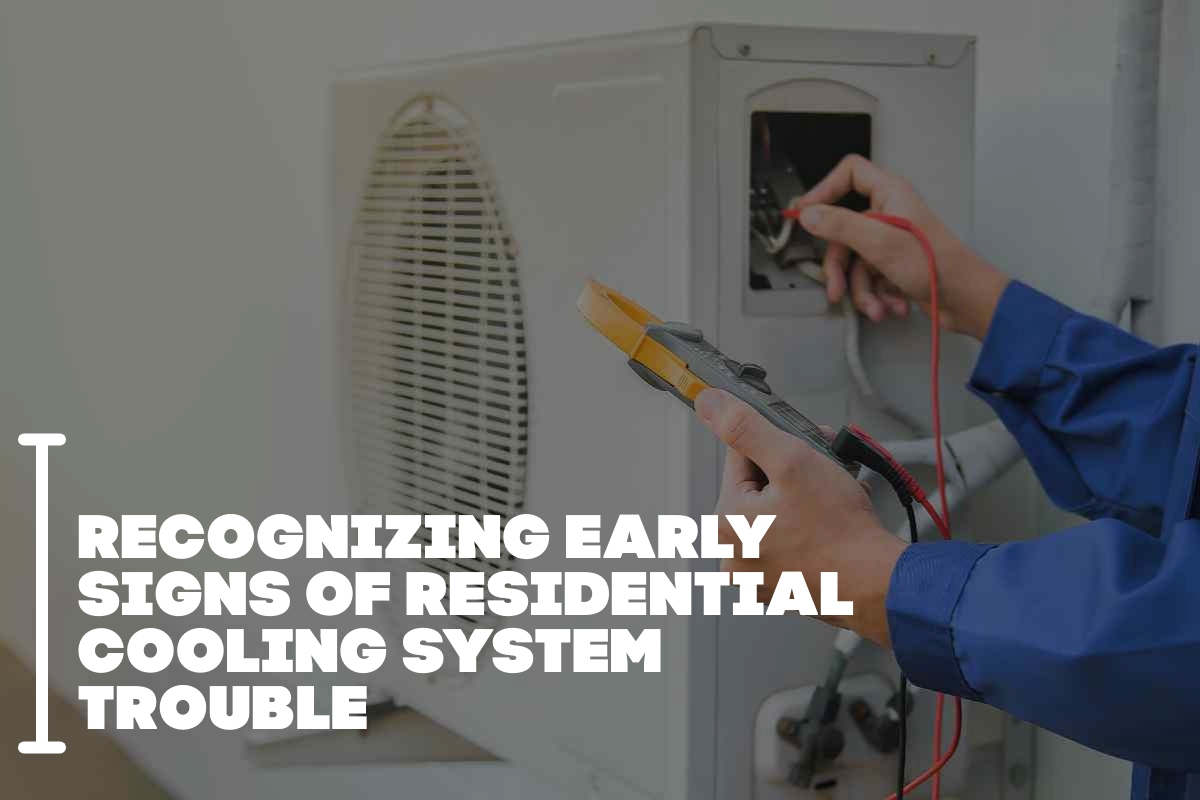
A non-responsive thermostat, tripped breakers, or sparking indicates wiring problems or capacitor failure, critical dangers in electrically intensive US grids. During extremes, this leaves homes sweltering; basic checks help, but pros diagnose deeper faults. US codes require licensed repairs for safety compliance.
System Not Turning On at All
Total shutdown during heat advisories—common in Southwest summers—endangers health, especially for elderly or ill. Verify power first, but compressor or board failures need immediate techs to restore cooling before temps hit dangerous levels. Delays amplify repair costs exponentially.
Why Act Fast in US Climates
US summers push ACs hard, with 90°F+ heat in 30+ states; emergencies spike repair calls 300%, per industry data. Early intervention extends unit life (10-15 years average), cuts energy bills, and avoids $5,000+ replacements. Local 24/7 services in metros like Houston thrive on rapid response.
FAQs
1. What does warm air from vents mean?
Compressor or refrigerant failure stops cooling; call immediately to avoid heat buildup.
2. Is short cycling dangerous?
Yes, it wears components fast and risks overheating; needs urgent thermostat or refrigerant checks.
3. Why do strange smells require emergency service?
Burning odors signal fire hazards, musty ones mold, and hissing refrigerant leaks health risks.
4. Can I fix water leaks myself?
Clear drains possibly, but frozen coils or cracks demand pros to prevent mold and damage.
5. When is no AC power an emergency?
During heatwaves threatening health; verify basics, then get certified electrical diagnosis.