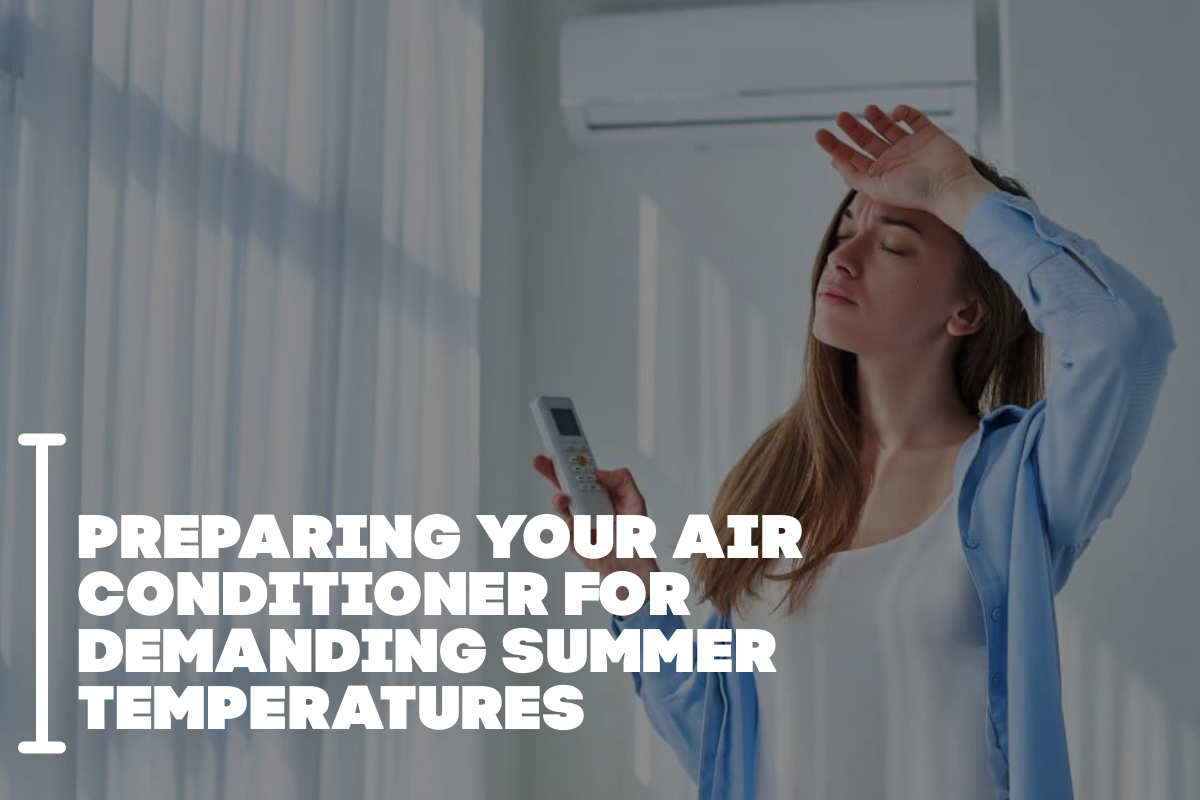
As temperatures rise, your air conditioner becomes one of the most important systems in your home. Waiting until peak summer heat to address AC problems can lead to discomfort, higher energy bills, and emergency repairs when service availability is limited. Recognizing early warning signs allows you to service your air conditioner before minor issues turn into major failures.
Weak or Reduced Airflow From Vents
If you notice that air coming from your vents feels weaker than usual, your air conditioner may be struggling. Reduced airflow is often caused by clogged filters, blocked ducts, or failing blower components.
When airflow is restricted, the system must work harder to cool your home, reducing efficiency and increasing wear on internal parts.
Warm Air Blowing Instead of Cool Air
An air conditioner that blows warm or slightly cool air instead of cold air needs immediate attention. This issue may stem from low refrigerant levels, compressor problems, or thermostat malfunctions.
Running the system in this condition wastes energy and can cause further damage if left unresolved.
Unusual or Loud Noises During Operation
Grinding, squealing, rattling, or buzzing sounds are clear indicators that something is wrong. These noises often point to loose parts, motor issues, or electrical problems.
Ignoring unusual sounds can lead to component failure during peak heat, when repairs are more costly and inconvenient.
Rising Energy Bills Without Increased Usage
A sudden increase in electricity bills without a change in cooling habits is a common sign of declining AC efficiency. When components are dirty or worn, the system consumes more energy to deliver the same level of cooling.
Early servicing can restore efficiency and help control summer energy costs.
Frequent Cycling On and Off
If your air conditioner turns on and off more frequently than normal, it may be short cycling. This behavior can result from thermostat issues, airflow restrictions, or refrigerant problems.
Short cycling reduces cooling effectiveness, increases energy consumption, and puts unnecessary strain on the system.
Uneven Cooling Throughout the Home
When some rooms feel significantly warmer or cooler than others, your AC system may not be distributing air properly. Duct leaks, blocked vents, or system imbalance can cause uneven cooling.
Addressing this early improves comfort and prevents the system from overworking during extreme heat.
Excessive Humidity Indoors
One function of an air conditioner is to remove excess humidity from indoor air. If your home feels sticky or humid even when the AC is running, the system may not be operating efficiently.
High indoor humidity often indicates airflow problems, incorrect system sizing, or maintenance issues that should be addressed before summer peaks.
Water Leaks or Moisture Around the Unit
Moisture or pooling water near the indoor unit can signal a clogged condensate drain, frozen evaporator coil, or drainage issue. While some condensation is normal, visible leaks are not.
Unchecked moisture can lead to mold growth, water damage, and reduced system efficiency.
Persistent Odors When the AC Runs
Musty, burning, or chemical smells when the air conditioner is operating should never be ignored. Odors may indicate mold buildup, electrical problems, or overheating components.
Early inspection helps prevent health risks and more serious system damage.
System Age and Lack of Recent Maintenance
If your air conditioner is over 10 years old and hasn’t been serviced recently, it is more likely to struggle during peak summer heat. Aging systems naturally lose efficiency and are more prone to breakdowns.
Routine maintenance before summer helps extend system life and ensures reliable performance when temperatures soar.
Reduced Overall Comfort
Sometimes the most noticeable sign is a general drop in comfort. If your home takes longer to cool, feels less comfortable, or requires constant thermostat adjustments, your AC may be losing efficiency.
These subtle changes often appear before complete system failure, making early service especially valuable.
Conclusion
An air conditioner rarely fails without warning. Weak airflow, warm air, rising energy bills, unusual noises, uneven cooling, and excess humidity are all signs that service is needed before peak summer heat arrives. Addressing these issues early helps restore efficiency, reduce energy costs, and prevent breakdowns when reliable cooling matters most.
Frequently Asked Questions (FAQs)
Q. When should I schedule air conditioner service?
Ideally, schedule AC service in spring before temperatures rise and demand for repairs increases.
Q. Can replacing the air filter really make a difference?
Yes. A clean filter improves airflow, efficiency, and indoor air quality while reducing strain on the system.
Q. Is it safe to run my AC if it’s not cooling properly?
Running an AC that isn’t cooling can cause further damage and higher energy costs. It’s best to have it inspected promptly.
Q. How often should an air conditioner be serviced?
Most systems benefit from professional servicing once a year, preferably before summer.
Q. What happens if I delay AC service until peak summer?
Delaying service increases the risk of breakdowns, higher repair costs, longer wait times, and discomfort during extreme heat.