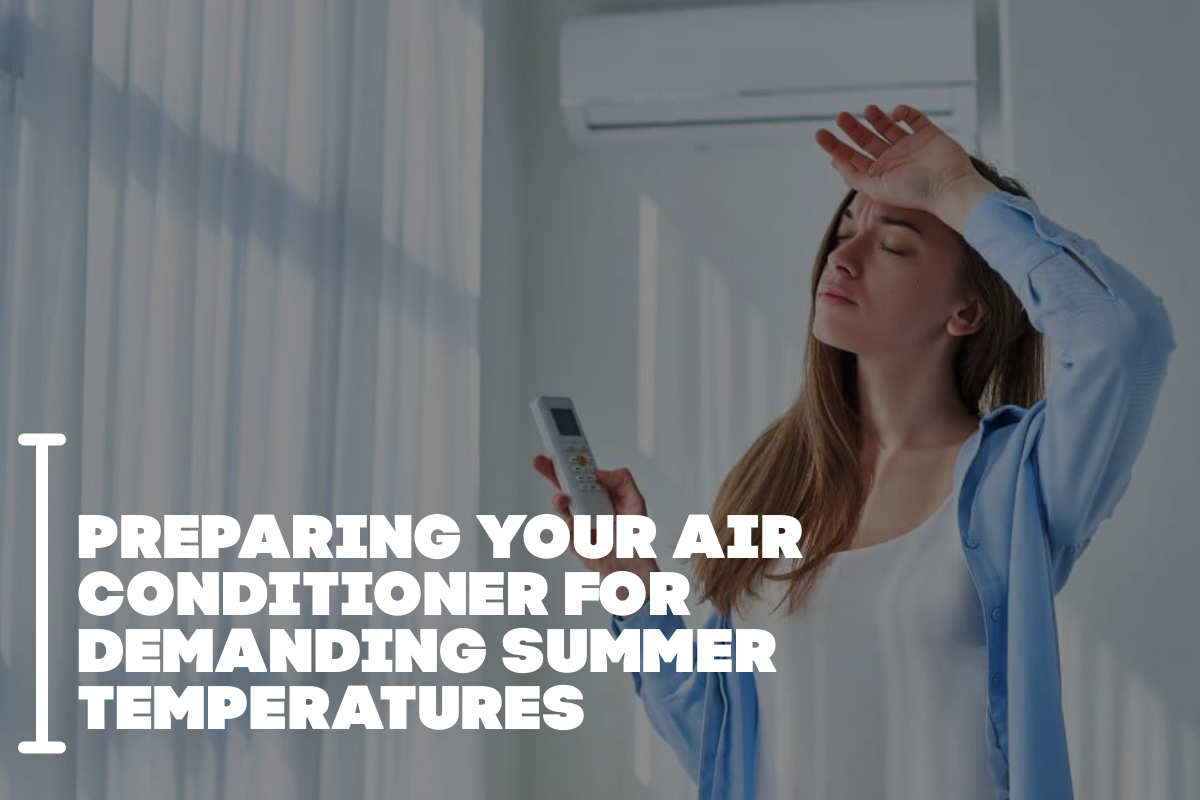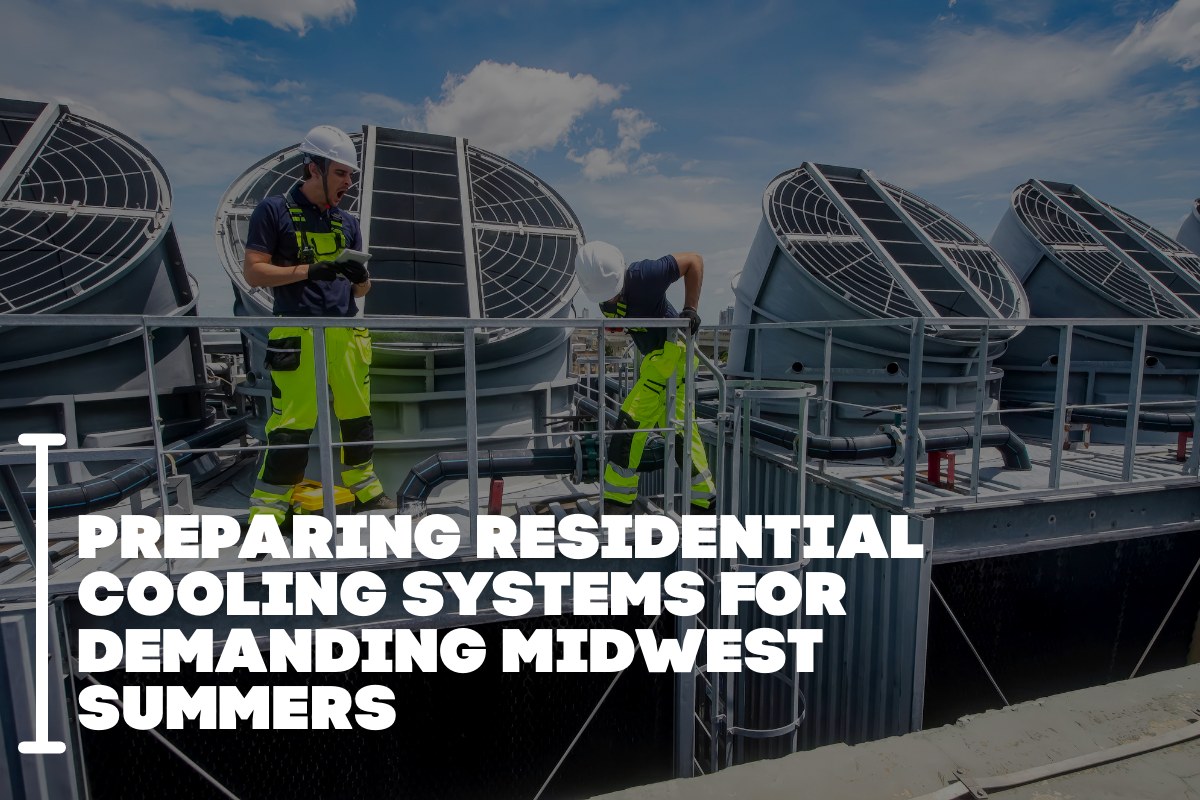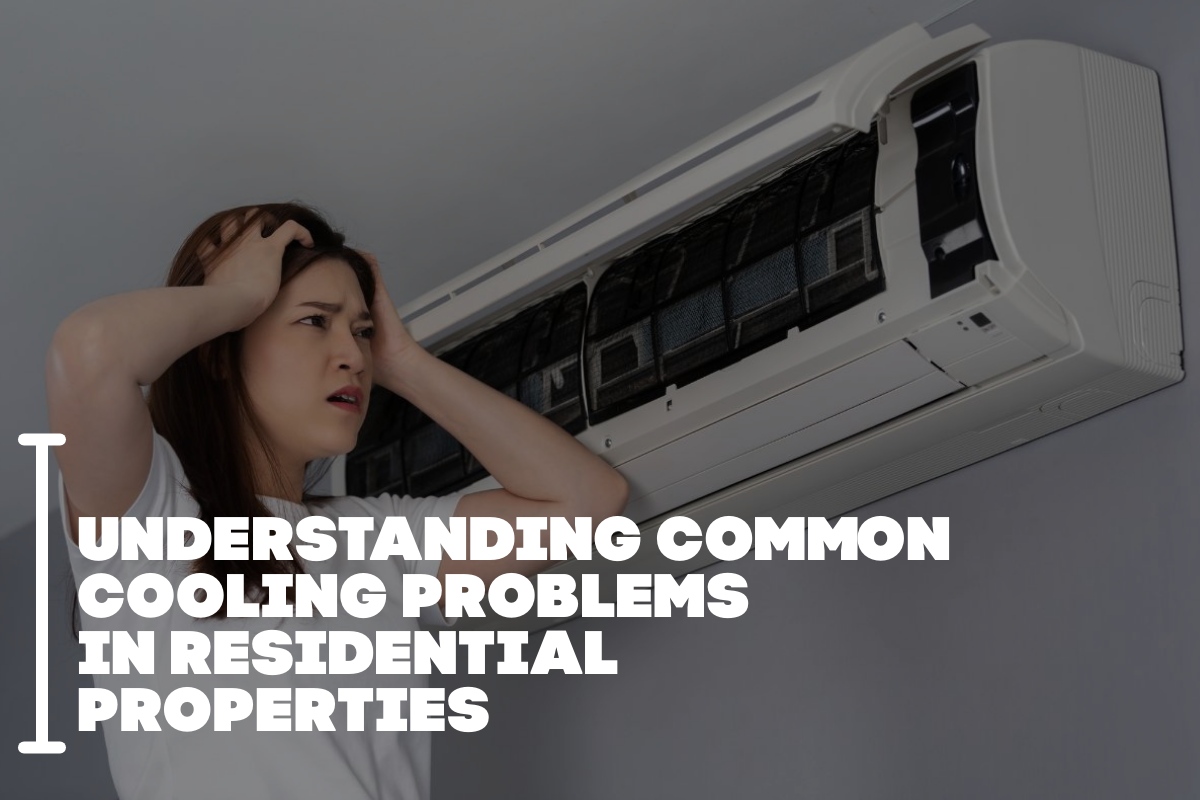
A reliable cooling system is essential for maintaining comfort in residential properties, especially during warmer months. When cooling issues arise, they can quickly affect indoor comfort, energy efficiency, and even air quality.
Many homeowners experience recurring problems without fully understanding their causes, leading to delayed repairs and higher costs. Recognizing common cooling problems early helps prevent system strain and ensures consistent performance.
Uneven Cooling Throughout the Home
One of the most frequent cooling complaints is uneven temperature distribution. Some rooms may feel cool and comfortable, while others remain warm and stuffy. This issue is often linked to poor airflow, leaky ductwork, blocked vents, or inadequate insulation.
Improper system sizing can also contribute to uneven cooling. If the system is not designed to match the home’s layout or square footage, it may struggle to deliver consistent temperatures across all areas.
Weak or Restricted Airflow
Reduced airflow is a common sign of underlying cooling problems. When air does not flow freely through vents, the system cannot distribute cooled air effectively. Clogged air filters are a frequent cause, as they restrict airflow and force the system to work harder.
Other causes include duct obstructions, damaged ductwork, or blower motor issues. Over time, restricted airflow increases wear on system components and reduces overall efficiency.
System Running Constantly or Short Cycling
A cooling system that runs continuously without reaching the desired temperature often signals inefficiency. This may be caused by dirty condenser coils, low refrigerant levels, or poor insulation allowing cool air to escape.
Short cycling—when the system turns on and off frequently—can also be problematic. This issue may result from an oversized unit, thermostat problems, or electrical faults. Both conditions increase energy consumption and shorten equipment lifespan.
Insufficient Cooling Output
When a system is running but not producing enough cool air, refrigerant-related issues are often involved. Low refrigerant levels due to leaks reduce the system’s ability to absorb and remove heat.
Dirty evaporator coils can also limit cooling capacity. Dust and debris prevent proper heat exchange, causing the system to underperform even when operating continuously.
Thermostat Malfunctions
The thermostat acts as the control center for the cooling system. If it is faulty, improperly calibrated, or poorly located, it may send incorrect signals to the system.
Thermostats placed near heat sources, direct sunlight, or drafts can cause inaccurate temperature readings. This leads to inconsistent cooling, frequent cycling, or failure to reach set temperatures.
Excess Humidity Indoors
Effective cooling systems also help manage indoor humidity. When humidity levels remain high, the home may feel uncomfortable even at lower temperatures.
Poor airflow, oversized systems, or short cycling can reduce moisture removal. High humidity not only affects comfort but can also contribute to mold growth and indoor air quality issues.
Unusual Noises or Odors
Strange sounds such as rattling, buzzing, or grinding often indicate mechanical problems. These may involve loose components, motor issues, or debris in the system.
Unpleasant odors can signal mold growth, electrical problems, or dirty components. Ignoring these warning signs can lead to more serious system failures.
Impact of Poor Maintenance
Lack of routine maintenance is a major contributor to residential cooling problems. Without regular inspections, small issues such as dirty filters, worn parts, or minor leaks can escalate into costly repairs.
Preventive maintenance helps identify problems early, keeps systems operating efficiently, and extends equipment lifespan.
FAQs
Why does my home have hot and cold spots?
Uneven cooling is often caused by airflow issues, duct leaks, or inadequate insulation.
Can dirty filters really affect cooling performance?
Yes. Dirty filters restrict airflow, reduce efficiency, and strain system components.
What causes high humidity even when the AC is running?
Oversized systems, short cycling, or airflow problems can prevent proper moisture removal.
Is constant system operation a problem?
Yes. It often indicates inefficiency, refrigerant issues, or poor insulation.
How often should residential cooling systems be serviced?
Annual professional maintenance is recommended, ideally before the cooling season begins.
Understanding common cooling problems in residential properties allows homeowners to respond proactively rather than reactively. Early detection, regular maintenance, and timely repairs help maintain comfort, control energy costs, and ensure long-term system reliability.