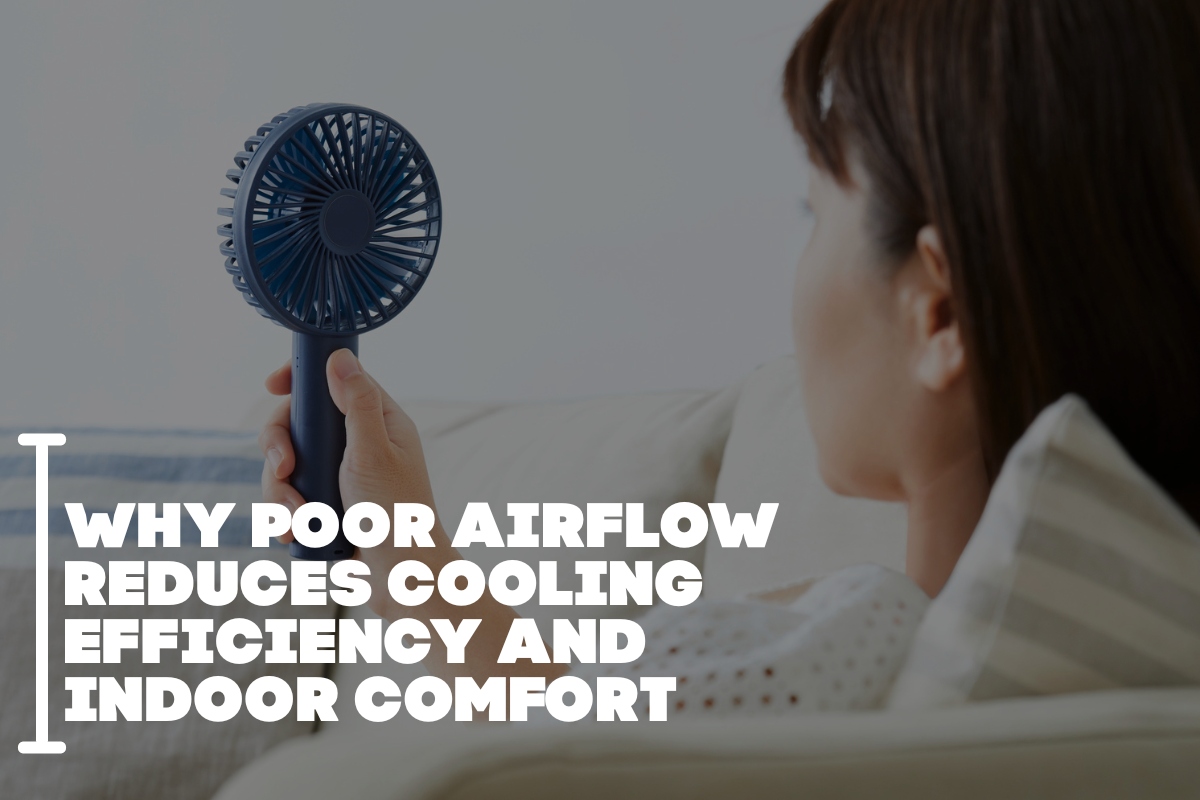
Airflow is one of the most critical factors in ensuring your home stays cool and comfortable during hot weather. When airflow is restricted or inefficient, your air conditioning system struggles to work at full capacity, which not only reduces cooling efficiency but also affects indoor comfort.
Poor airflow can lead to uneven cooling, higher energy bills, and increased wear and tear on your AC unit. Understanding how airflow impacts your system and what you can do to improve it is essential for maintaining a comfortable living environment.
1. How Airflow Affects Cooling Efficiency
Airflow refers to the movement of air through the air conditioning system, including the intake, ducts, vents, and return air pathways. A properly functioning AC system relies on balanced airflow to distribute cooled air evenly throughout the space. When airflow is compromised, your system is unable to maintain the desired temperature effectively.
How poor airflow impacts cooling efficiency:
- Strain on the system: When airflow is restricted, the AC unit has to work harder to circulate air. This means the system uses more energy and takes longer to cool your home, leading to reduced efficiency.
- Uneven cooling: Poor airflow causes some areas of the home to be cooler than others. Rooms furthest from the AC unit or those with blocked vents may feel hot and uncomfortable, while other areas are overly cooled.
- Higher energy consumption: As your AC works harder to compensate for restricted airflow, it consumes more electricity, resulting in higher utility bills.
Efficient airflow ensures that cool air reaches every room quickly and evenly, helping the system maintain its efficiency.
2. Common Causes of Poor Airflow
Several factors can contribute to poor airflow in your home. These issues can range from simple fixes to more complex problems requiring professional attention. Identifying the root cause of airflow issues is the first step in improving cooling efficiency and comfort.
Common causes of poor airflow:
- Clogged air filters: Dirty or clogged filters are one of the most common culprits. Filters trap dust, dirt, and debris to prevent them from entering the AC system, but when they become clogged, they restrict airflow and force the system to work harder.
- Blocked vents or registers: Furniture, curtains, or other obstructions blocking air vents or registers can reduce the flow of air throughout your home.
- Leaky ducts: Ducts that are not sealed properly or have holes can cause air to escape before it reaches its destination. This leads to inefficient cooling and higher energy use.
- Closed or improperly adjusted dampers: Some homes have adjustable dampers in the ductwork to control airflow. If these are closed or improperly set, they can reduce airflow to certain rooms.
- Dirty coils or fans: The evaporator coils and blower fans are essential components for air circulation. If they become dirty or malfunction, they can reduce airflow and cooling efficiency.
Each of these issues restricts the flow of cool air, making it harder for the AC system to maintain a consistent and comfortable indoor temperature.
3. Impact on Indoor Comfort
When airflow is inadequate, it doesn’t just affect your energy bill; it also directly impacts your indoor comfort. A poorly cooled home can feel stuffy, uncomfortable, and even unbearable, especially during extreme heat. Inconsistent cooling also creates an environment where certain rooms become too hot or too cold, disrupting your comfort.
How poor airflow affects comfort:
- Hot spots: Some rooms in your home may feel uncomfortably warm because the air isn’t circulating properly, while other areas are too cold.
- Humidity problems: Proper airflow helps control humidity levels. If your air conditioning system can’t effectively circulate air, it may struggle to remove moisture from the air, leaving the space feeling damp and uncomfortable.
- Stale air: Poor airflow can cause air to become stagnant, leading to musty odors and poor air quality, which can be uncomfortable and unhealthy.
- Unpleasant temperature fluctuations: If the air isn’t moving properly, your thermostat may register one temperature, but the actual comfort level in the room may be much higher, creating a mismatch between the set temperature and the actual indoor environment.
Adequate airflow ensures consistent, cool, and comfortable temperatures throughout your home, eliminating hot spots and humidity issues.
4. Increased Wear and Tear on Your AC System
Restricted airflow not only reduces cooling efficiency but also places undue stress on your air conditioning system. When the system has to work harder to circulate air, it increases the wear and tear on components like the compressor, fan motor, and evaporator coils. Over time, this can lead to breakdowns and costly repairs.
How poor airflow contributes to wear and tear:
- Overheating: When air is restricted, the system may overheat, causing components to fail prematurely.
- Increased motor strain: The fan motor must work harder to push air through clogged filters or blocked ducts, which can shorten its lifespan.
- Frosting: Poor airflow can cause the evaporator coils to freeze, as the refrigerant isn’t able to circulate properly. This leads to system malfunctions and requires professional repairs.
Regular maintenance, including checking for airflow blockages and replacing filters, can help prevent excessive strain on your system and extend its lifespan.
5. Tips to Improve Airflow and Boost Cooling Efficiency
There are several simple steps you can take to improve airflow in your home, increase your AC system’s efficiency, and enhance indoor comfort. Addressing these issues can make a big difference in how well your system performs, as well as how comfortable your home feels during the summer months.
Steps to improve airflow:
- Replace or clean air filters: Replace filters every 1-3 months, depending on the type and usage. Dirty filters can obstruct airflow and force the system to work harder.
- Unblock vents and registers: Ensure that vents are clear of furniture, rugs, or other obstructions to allow proper airflow. Check that all vents are open and positioned correctly.
- Seal ductwork: Inspect your ducts for leaks and have them sealed by a professional to prevent air loss.
- Check and adjust dampers: If your system has adjustable dampers, ensure they are set correctly to allow optimal airflow to each room.
- Clean the coils and fans: Schedule a professional cleaning of the evaporator coils and blower fans to ensure they are free from dirt and debris.
- Schedule regular maintenance: Have your HVAC system professionally serviced at least once a year to address any airflow issues, check for leaks, and clean components.
By following these steps, you can maintain proper airflow, keep your system running efficiently, and ensure consistent cooling throughout your home.
Frequently Asked Questions (FAQs)
Q. How often should I replace my air filter to maintain good airflow?
It’s recommended to replace or clean your air filter every 1-3 months, depending on the type of filter and your usage.
Q. Can poor airflow cause my energy bills to go up?
Yes, poor airflow forces your AC system to work harder to cool your home, leading to increased energy consumption and higher utility bills.
Q. How do I know if my ducts are leaking?
If you notice uneven cooling or hot spots in your home, or if your energy bills are higher than usual, duct leaks could be the cause. A professional technician can perform a duct test to identify leaks.
Q. What should I do if my air conditioning system is freezing up due to poor airflow?
If you notice ice buildup on the coils, it’s important to turn off the system and have a professional inspect it. Poor airflow is often the cause of freezing, and the system will need attention before it can operate correctly.
Q. Is there anything I can do to improve airflow in my home besides maintaining the HVAC system?
Yes, ensure that your home has good ventilation by opening windows periodically, using fans to circulate air, and maintaining a balanced air distribution throughout the house.