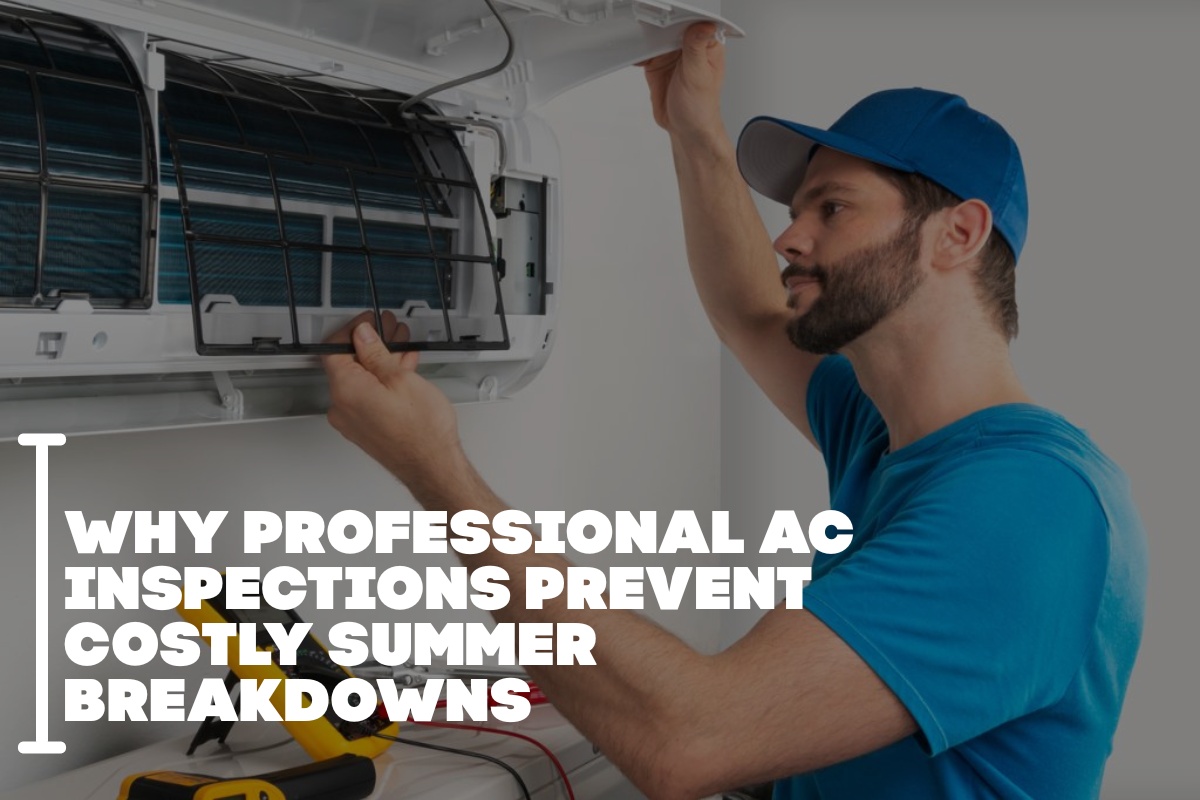
Summer places the highest demand on air conditioning systems. As temperatures rise, AC units work longer hours under heavier loads, making them more vulnerable to failure. Many summer breakdowns are not sudden or unavoidable—they are the result of small, hidden issues that went undetected. Professional AC inspections are designed to catch these problems early, preventing expensive repairs, discomfort, and emergency service calls during peak heat.
Summer Heat Amplifies Existing Weaknesses
Air conditioners often run intermittently during spring, masking underlying problems. Once summer heat arrives, minor faults quickly become major failures. Components such as compressors, capacitors, and fans are pushed to their limits.
Professional inspections identify worn or stressed parts before they fail under peak demand. Addressing weaknesses early prevents chain reactions that can shut down the entire system.
Preventing Electrical and Component Failures
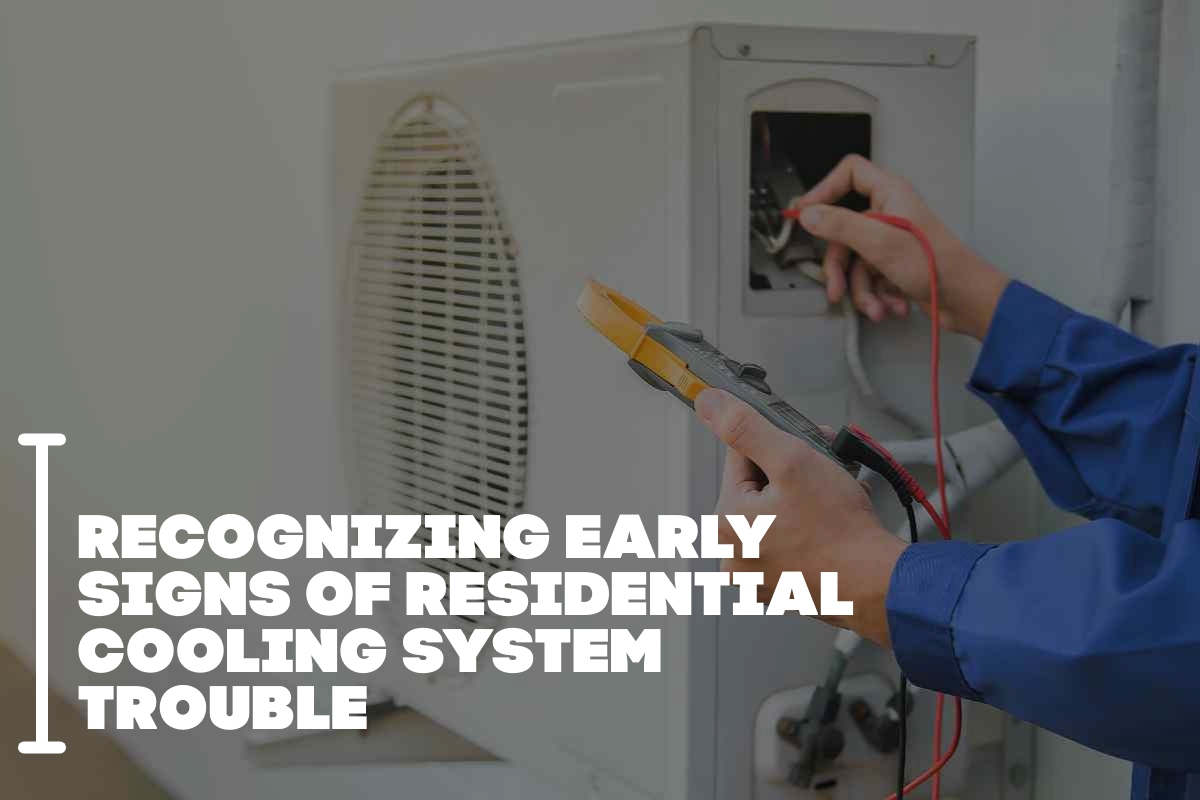
Many summer breakdowns are caused by electrical issues. Loose connections, failing capacitors, and worn contactors are common in aging or heavily used systems. These components may still function—but unreliably.
During a professional inspection, technicians:
- Test electrical components for proper operation
- Tighten and secure connections
- Replace weak parts before they fail
This proactive approach reduces the risk of sudden system shutdowns during extreme heat.
Protecting the Compressor From Damage
The compressor is the most expensive and critical component of an air conditioner. Overheating, low refrigerant, dirty coils, or electrical stress can all damage it.
Professional inspections ensure:
- Refrigerant levels are correct
- Coils are clean for proper heat transfer
- Airflow is unrestricted
By keeping operating conditions within safe limits, inspections help prevent compressor failure—one of the costliest AC repairs.
Ensuring Proper Airflow and Heat Transfer
Restricted airflow forces an AC system to work harder and longer. Dirty filters, clogged coils, and blocked vents are common causes of summer breakdowns.
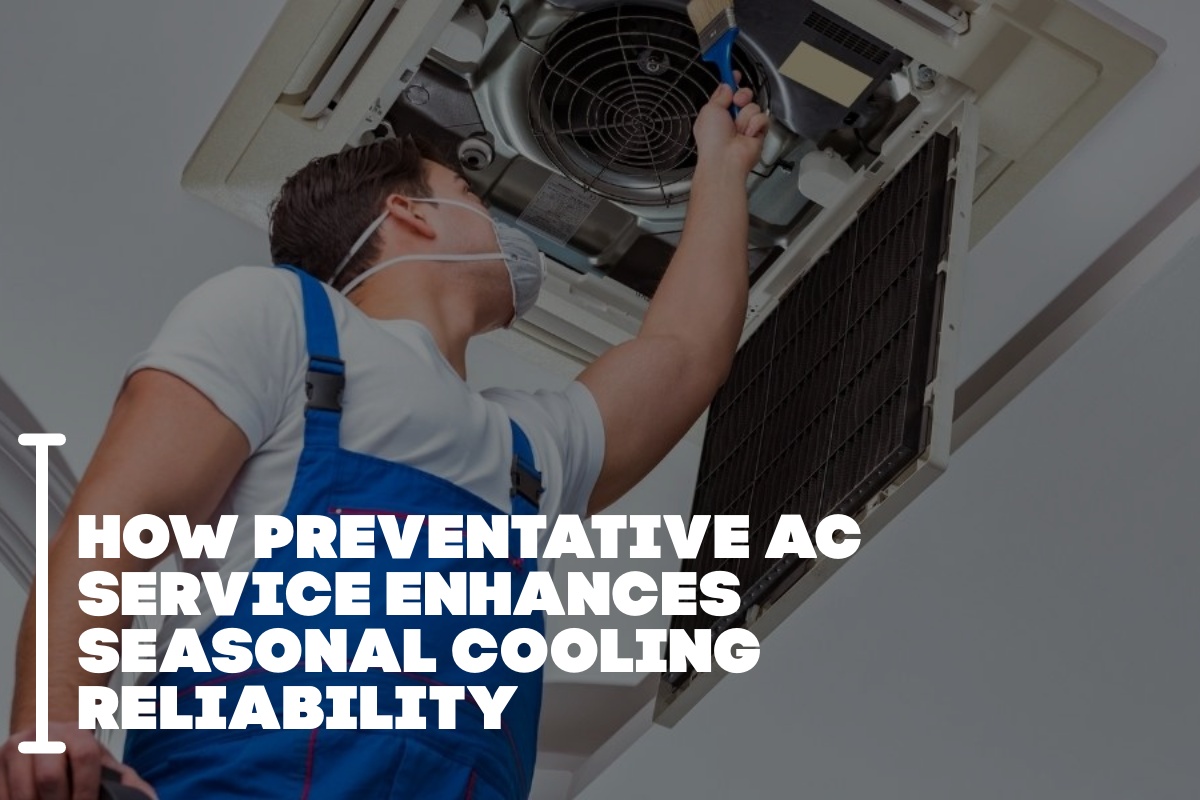
Technicians check and correct airflow issues during inspections, ensuring the system can cool efficiently without excessive strain. Proper airflow also prevents evaporator coil freezing, a frequent cause of mid-summer service calls.
Detecting Refrigerant Leaks Early
Low refrigerant reduces cooling capacity and causes the system to run continuously. This not only increases energy costs but also accelerates wear on critical components.
Professional inspections include leak detection and pressure testing. Catching refrigerant issues early prevents poor cooling performance and protects the system from long-term damage.
Improving Energy Efficiency Before Peak Use
An unmaintained AC system consumes more energy to deliver the same level of cooling. Summer is when inefficiency becomes most expensive.
By cleaning components, calibrating controls, and correcting minor faults, inspections restore optimal efficiency. This reduces utility bills and lowers the risk of overheating-related failures during prolonged heat waves.
Avoiding Emergency Repairs and Discomfort
AC breakdowns during summer often occur at the worst possible times—during heatwaves when service availability is limited and repair costs are higher.
Professional inspections significantly reduce the likelihood of emergency failures, allowing repairs to be planned, affordable, and far less stressful. Preventive maintenance also ensures consistent comfort throughout the season.
Extending System Lifespan
Repeated summer breakdowns shorten the lifespan of an air conditioning system. Stress from overheating, electrical strain, and inefficient operation accumulates year after year.
Routine inspections reduce this stress, helping systems last longer and delaying the need for premature replacement—one of the biggest long-term savings for homeowners.
FAQs
When is the best time to schedule an AC inspection?
Late spring or early summer is ideal, before the system is under continuous heavy use.
Can a working AC still have problems that cause breakdowns?
Yes. Many failing components function temporarily before collapsing under summer heat.
How long does a professional AC inspection take?
Most inspections take 60–90 minutes, depending on system size and condition.
Is professional inspection different from changing filters?
Yes. Filter changes are helpful, but inspections include electrical testing, refrigerant checks, airflow evaluation, and component inspection.
Does regular inspection reduce repair costs?
Absolutely. Preventive inspections catch small issues early, avoiding expensive emergency repairs and component replacements.