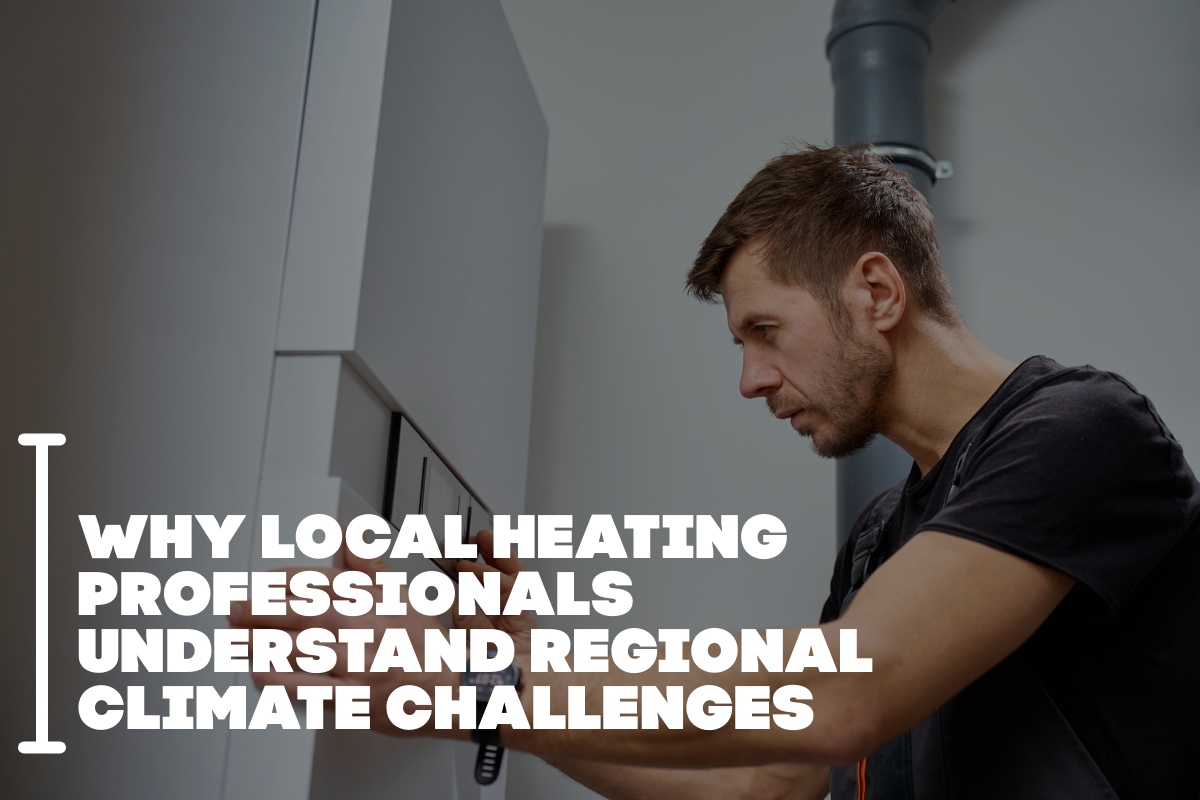
Heating systems are not one-size-fits-all. Climate conditions vary significantly from region to region, affecting how heating systems are installed, maintained, and repaired. Local heating professionals bring valuable regional knowledge that national or out-of-area service providers may lack.
Their understanding of local weather patterns, building structures, and seasonal challenges allows them to recommend solutions that are both efficient and durable. Choosing a local heating expert often means choosing someone who understands the unique environmental pressures your system faces.
Regional Climate Directly Impacts Heating Systems
Different climates create different heating demands. For example:
- Northern regions experience prolonged freezing temperatures.
- Coastal areas deal with high humidity and salt exposure.
- Mountain areas face rapid temperature fluctuations.
- Rural areas may rely on propane or oil rather than natural gas.
Local heating professionals are familiar with these patterns and how they affect system performance and longevity.
Climate Influence on Heating Systems
| Climate Type | Heating Challenge | Local Expertise Advantage |
|---|---|---|
| Cold & Snowy | Frozen pipes, overworked furnaces | Proper insulation and capacity sizing |
| Coastal | Corrosion from salt air | Protective materials and coatings |
| High Altitude | Reduced oxygen levels | Proper combustion adjustments |
| Humid Regions | Mold & moisture buildup | Ventilation optimization |
Regional experience ensures systems are tailored to environmental conditions.
Knowledge of Local Building Codes and Regulations
Heating installation and repair must comply with local building codes. These codes often vary based on climate risks and safety standards.
Local professionals:
- Understand regional energy efficiency requirements
- Stay updated on municipal inspection rules
- Know local permit procedures
- Ensure compliance with safety regulations
This familiarity reduces delays and prevents costly compliance issues.
Familiarity With Common Regional Problems
Every area has typical heating issues influenced by climate.
For example:
- Extremely cold regions often face frozen heat pumps.
- Areas with heavy snowfall may experience blocked exhaust vents.
- Regions with temperature swings may see expansion-related duct damage.
Local technicians encounter these issues regularly and can diagnose problems quickly and accurately.
Proper Equipment Sizing Based on Climate
Heating systems must be properly sized to match the climate and home insulation levels. Oversized or undersized systems reduce efficiency and increase wear.
Local professionals understand:
- Average seasonal temperature ranges
- Heating degree days in the area
- Insulation standards common in local construction
- Fuel efficiency requirements
Correct system sizing improves comfort and reduces energy bills.
Faster Response During Weather Emergencies
During severe winter storms or cold snaps, heating failures require immediate attention. Local heating companies can respond more quickly because they are nearby and prepared for regional weather events.
Advantages include:
- Shorter travel times
- Familiarity with local road conditions
- Pre-stocked parts commonly needed in the area
- Emergency preparedness during peak seasons
Fast response can prevent further damage to your home.
Understanding Local Energy Sources
Heating systems depend on available fuel types, which vary by region.
Common Regional Heating Fuels
| Fuel Type | Common Regions | Local Knowledge Benefit |
|---|---|---|
| Natural Gas | Urban & suburban areas | Efficient furnace setup |
| Heating Oil | Northeast & rural areas | Tank maintenance expertise |
| Propane | Rural communities | Safe storage handling |
| Electric Heat Pumps | Mild climates | Climate-appropriate installation |
Local professionals understand fuel availability, pricing trends, and efficiency considerations.
Experience With Regional Weather Extremes
Areas prone to extreme cold, heavy winds, or ice storms require reinforced installations and protective measures.
Local technicians may recommend:
- Wind shields for outdoor units
- Snow barriers around vents
- Pipe insulation upgrades
- Backup heating systems
Their experience helps prevent weather-related failures.
Energy Efficiency Optimization
Climate affects how efficiently heating systems operate. Local experts can suggest improvements tailored to your area, such as:
- Smart thermostats calibrated for seasonal shifts
- Zoned heating for variable temperature zones
- Insulation upgrades common in regional homes
- High-efficiency systems rated for extreme cold
These adjustments maximize comfort while lowering utility costs.
Community-Based Trust and Accountability
Local heating professionals rely heavily on reputation and community trust. Their familiarity with neighborhood housing styles and recurring climate issues allows them to provide personalized service.
Benefits include:
- Ongoing maintenance relationships
- Accountability through local referrals
- Long-term service reliability
- Customized advice based on neighborhood trends
Local heating professionals possess invaluable insight into regional climate challenges that directly impact heating system performance and durability. Their knowledge of local weather patterns, building codes, common issues, and fuel sources allows them to provide tailored solutions that improve efficiency and reliability.
From proper equipment sizing to emergency response during severe weather, local expertise ensures that heating systems are designed and maintained to withstand specific environmental conditions. Choosing a local professional means choosing experience shaped by your region’s unique climate demands.
FAQs
1. Why is regional climate important when installing a heating system?
Climate affects system size, efficiency, durability, and the type of equipment required.
2. Do local heating professionals respond faster in emergencies?
Yes, their proximity allows quicker response times during severe weather conditions.
3. Can climate affect heating system lifespan?
Absolutely. Extreme cold, humidity, or salt exposure can reduce equipment longevity.
4. Are heating systems different in cold and mild climates?
Yes, systems in colder climates are typically designed for higher output and durability.
5. Is hiring a local heating professional more reliable?
Often yes, because they understand regional challenges and maintain community accountability.