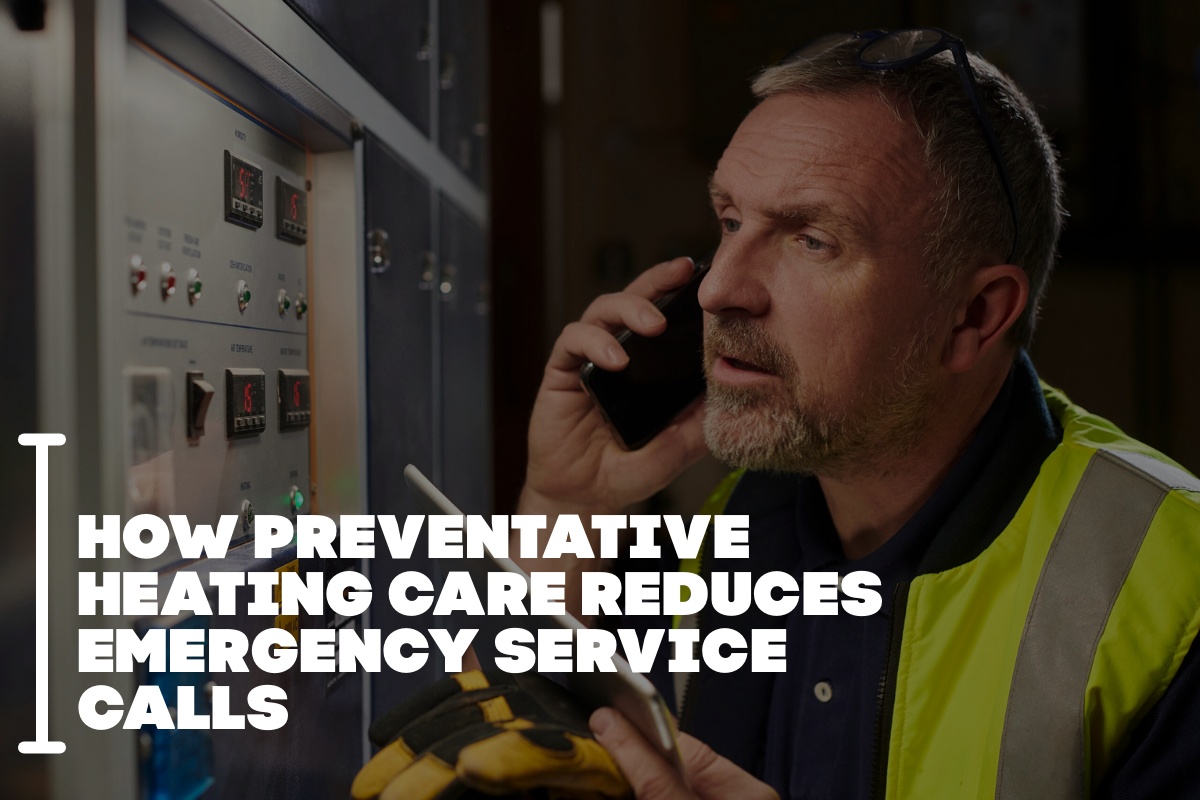
Heating systems are essential for comfort and safety, especially during colder months. However, many emergency service calls occur due to preventable issues such as neglected maintenance, worn-out components, or system inefficiencies. Preventative heating care focuses on routine inspections, timely servicing, and early problem detection to ensure reliable performance.
By investing in proactive maintenance, homeowners and property managers can significantly reduce unexpected breakdowns and costly emergency repairs. Understanding how preventative heating care works highlights why it is one of the most effective strategies for long-term system reliability.
What Is Preventative Heating Care?
Preventative heating care involves scheduled inspections, cleaning, and minor repairs performed before problems escalate. Instead of reacting to failures, technicians identify risks early and address them proactively.
Common preventative services include:
- Cleaning burners and heat exchangers
- Inspecting electrical connections
- Replacing air filters
- Checking thermostat accuracy
- Lubricating moving parts
- Testing safety controls
Routine attention keeps systems operating at peak efficiency.
Early Detection Prevents Major Breakdowns
Many heating emergencies are caused by small issues that go unnoticed. For example, a dirty filter can restrict airflow, causing the furnace to overheat and shut down. Similarly, a worn belt can snap unexpectedly, halting system operation.
Small Issues vs. Major Failures
| Minor Issue | Potential Emergency if Ignored |
|---|---|
| Dirty air filter | Overheated furnace shutdown |
| Loose wiring | Electrical short circuit |
| Worn motor bearings | Complete blower failure |
| Cracked heat exchanger | Carbon monoxide leak |
| Clogged vents | System overheating |
Preventative inspections identify these risks before they become emergencies.
Improved System Efficiency Reduces Stress
When heating systems operate efficiently, internal components experience less strain. Reduced stress lowers the likelihood of sudden breakdowns during peak usage periods.
Benefits of maintaining efficiency include:
- Stable indoor temperatures
- Reduced energy consumption
- Lower wear on mechanical parts
- Extended equipment lifespan
A well-maintained system performs reliably even during extreme cold.
Reduced Risk During Peak Winter Demand
Emergency heating failures often occur during the coldest days of the year when systems are working hardest. Preventative maintenance ensures your heating unit is ready before peak demand begins.
Seasonal preparation typically involves:
- Pre-winter inspections
- Testing ignition systems
- Calibrating thermostats
- Checking fuel supply connections
Proactive preparation prevents mid-season failures.
Enhanced Safety and Carbon Monoxide Prevention
Heating systems, especially gas furnaces and boilers, must operate safely. Malfunctioning equipment can lead to hazardous conditions such as carbon monoxide leaks.
Safety Components Checked During Maintenance
| Component | Purpose |
|---|---|
| Heat Exchanger | Prevents gas leakage |
| Flame Sensor | Ensures proper ignition |
| Venting System | Safely expels exhaust gases |
| Pressure Switch | Maintains safe airflow |
| Carbon Monoxide Detector | Alerts occupants to danger |
Routine inspections help protect both equipment and occupants.
Lower Repair Costs Over Time
Emergency service calls are typically more expensive due to urgent response times, after-hours labor rates, and severe damage repairs. Preventative care minimizes these costs.
Cost-related advantages:
- Fewer emergency call-out fees
- Reduced major part replacements
- Lower labor expenses
- Extended warranty compliance
Preventative maintenance is generally far more affordable than emergency repairs.
Longer Equipment Lifespan
Regular maintenance extends the life of heating systems by preventing excessive wear. Components that are cleaned and adjusted regularly last longer than neglected ones.
This results in:
- Delayed system replacement
- Better return on investment
- Consistent performance year after year
Replacing a heating system prematurely can be a significant expense.
Improved Indoor Comfort
Preventative heating care ensures consistent airflow and accurate temperature control. A well-maintained system distributes heat evenly throughout the home.
Homeowners benefit from:
- Balanced room temperatures
- Reduced cold spots
- Quieter system operation
- Improved air quality
Reliable comfort reduces stress during winter months.
Predictable Maintenance Scheduling
Scheduling maintenance at convenient times avoids disruptive emergency visits. Instead of waiting for a system failure, service appointments can be planned during mild weather.
Advantages include:
- Flexible scheduling
- Minimal inconvenience
- Reduced downtime
- Better planning for repairs or upgrades
Preventative heating care significantly reduces emergency service calls by addressing minor issues before they escalate into major failures. Through regular inspections, system cleaning, safety checks, and efficiency optimization, homeowners can ensure reliable heating performance throughout the winter season.
Proactive maintenance not only improves safety and comfort but also lowers long-term repair costs and extends equipment lifespan. Investing in preventative care transforms heating system management from reactive crisis response to structured, reliable performance.
FAQs
1. How often should heating systems receive preventative maintenance?
Most systems should be inspected and serviced at least once per year, ideally before winter.
2. Does preventative maintenance really reduce emergency calls?
Yes, early detection of minor issues prevents unexpected breakdowns during peak usage.
3. Is preventative heating care expensive?
Routine maintenance is generally much more affordable than emergency repair services.
4. Can maintenance improve energy efficiency?
Yes, clean and properly adjusted systems operate more efficiently and consume less energy.
5. Is preventative maintenance necessary for newer systems?
Absolutely. Even new systems require routine care to maintain warranties and ensure optimal performance.