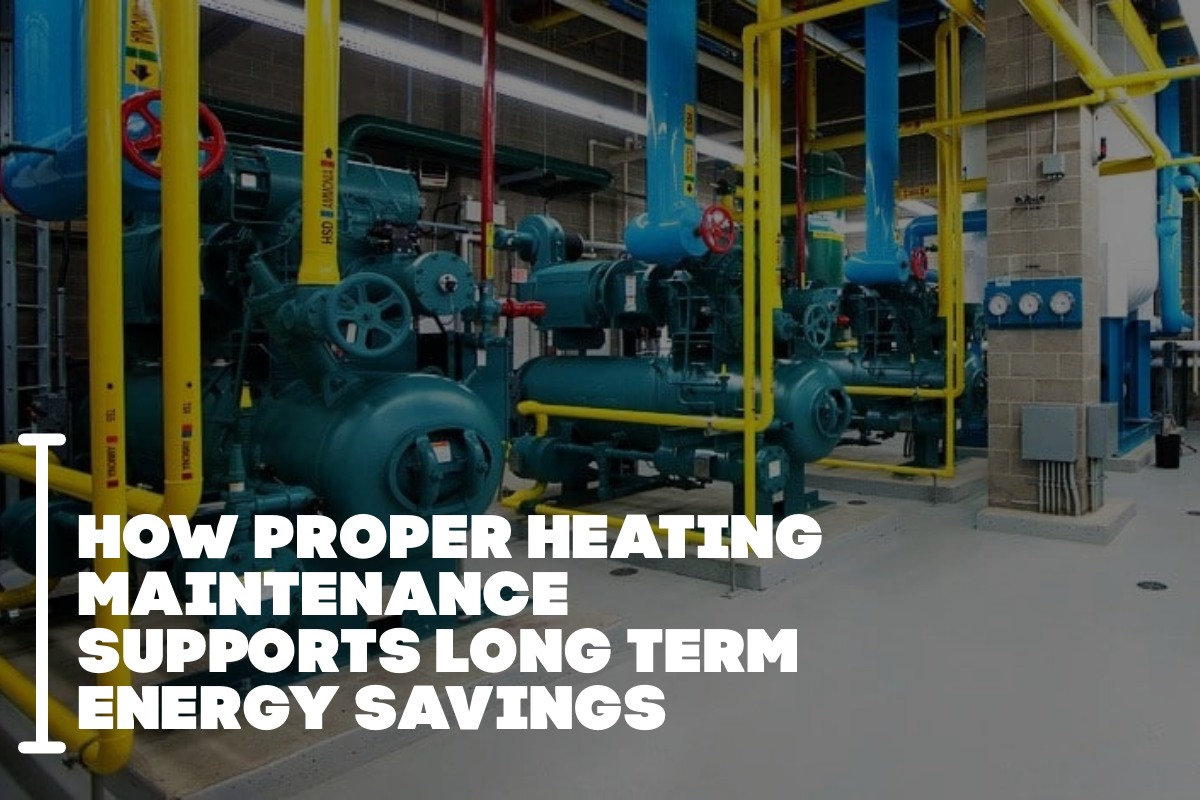
Heating systems play a central role in maintaining indoor comfort, especially during colder months. However, without routine care, even the most advanced system can lose efficiency over time. Proper heating maintenance not only protects your equipment but also supports long-term energy savings by improving performance, reducing strain, and preventing avoidable breakdowns. Investing in regular service today can significantly reduce operational costs in the future.
Understanding Heating System Efficiency
Efficiency refers to how effectively a heating system converts energy into usable heat. Over time, dust buildup, worn components, and airflow restrictions force the system to work harder, consuming more fuel or electricity to achieve the same temperature.
| Factor | Poorly Maintained System | Properly Maintained System |
|---|---|---|
| Energy Consumption | High | Optimized |
| Heating Performance | Uneven | Consistent |
| Repair Frequency | Frequent | Minimal |
| System Lifespan | Shortened | Extended |
Maintaining efficiency ensures that energy is not wasted during daily operation.
Reduced Energy Waste
When heating systems are not maintained, common issues such as clogged filters, dirty burners, or obstructed vents restrict airflow. This forces the unit to run longer cycles, consuming more energy.
Routine maintenance helps to:
- Clean or replace air filters
- Inspect and clean burners
- Ensure proper airflow through ducts
- Calibrate the thermostat accurately
- Lubricate moving parts to reduce friction
These simple steps collectively lower energy consumption and prevent unnecessary utility expenses.
Improved System Performance
A well-maintained heating system heats your home faster and more evenly. When components operate smoothly, the system reaches the desired temperature with less effort. Reduced strain means fewer extended heating cycles, which translates into lower fuel usage.
Consistent performance also prevents temperature fluctuations that cause homeowners to adjust thermostats frequently—another common contributor to higher energy bills.
Extended Equipment Lifespan
Neglecting maintenance often leads to premature system failure. Components such as heat exchangers, blower motors, and ignition systems endure significant wear when operating under stress.
Benefits of Extended Lifespan
- Delayed need for expensive replacement
- Lower cumulative repair costs
- Better return on initial system investment
- Stable long-term energy performance
Replacing a heating system is a major expense, so prolonging its lifespan offers substantial financial advantages.
Early Detection of Efficiency Issues
Annual inspections allow professionals to identify small inefficiencies before they escalate. For example:
- Minor duct leaks that waste heated air
- Faulty thermostats causing inaccurate readings
- Small cracks or corrosion affecting heat transfer
- Gas pressure irregularities reducing combustion efficiency
Addressing these issues promptly prevents gradual energy loss that may otherwise go unnoticed.
Enhanced Airflow and Indoor Comfort
Airflow is critical for energy efficiency. Restricted airflow not only increases energy consumption but also reduces indoor comfort. Dust buildup inside ducts or clogged filters forces the system to operate longer to distribute heat evenly.
Regular cleaning and inspection ensure:
- Balanced air distribution
- Improved indoor air quality
- Reduced strain on blower motors
- Lower heating cycle durations
Better airflow directly supports energy savings by minimizing overwork.
Seasonal Maintenance Checklist
| Season | Maintenance Task | Energy Benefit |
|---|---|---|
| Fall | Inspect heat exchanger and burners | Optimal combustion efficiency |
| Winter | Monitor filters monthly | Maintained airflow |
| Spring | System inspection after heavy use | Early issue detection |
| Year-Round | Thermostat calibration | Accurate temperature control |
Following a seasonal routine keeps energy usage stable throughout the year.
Smart Thermostat Integration
Proper maintenance also ensures compatibility with energy-saving technologies like programmable or smart thermostats. When paired with a well-functioning heating system, these devices can:
- Automatically adjust temperatures
- Reduce heating during unoccupied hours
- Optimize daily heating cycles
Combined with maintenance, smart controls maximize energy efficiency and reduce monthly expenses.
Lower Emergency Repair Costs
Emergency breakdowns often occur when neglected systems fail under pressure. Sudden failures during peak winter months can result in higher service charges and urgent repair costs. Preventive maintenance reduces the risk of unexpected breakdowns, helping homeowners avoid costly emergency interventions that impact long-term savings.
Environmental Impact
Reduced energy consumption not only lowers utility bills but also decreases your home’s carbon footprint. Efficient heating systems require less fuel or electricity, contributing to environmental sustainability while delivering financial benefits.
FAQs
How often should heating systems be serviced?
Heating systems should be professionally inspected and serviced at least once per year, ideally before the heating season begins.
Does replacing air filters really save energy?
Yes. Clean filters improve airflow, reduce system strain, and lower energy consumption.
Can maintenance reduce heating bills immediately?
In many cases, yes. Improved efficiency after cleaning and calibration often results in noticeable reductions in monthly energy costs.
Is professional maintenance necessary if the system seems to work fine?
Yes. Many efficiency issues develop gradually and may not be noticeable until energy bills increase or major problems occur.