The Midwest is known for its long, cold winters, fluctuating temperatures, and sudden weather shifts. From subzero wind chills to heavy snowfall, these conditions place significant demands on residential heating systems. Choosing a reliable heating solution is not just about comfort—it is about safety, efficiency, and long-term cost control. Understanding how different heating options perform in Midwest climates helps homeowners make informed, dependable choices.
Understanding Midwest Climate Challenges
Midwest winters are characterized by extended periods of cold, frequent temperature swings, and occasional extreme weather events. Heating systems must be capable of operating efficiently during prolonged cold spells while also handling rapid changes in demand.
In addition to cold temperatures, factors such as high winds and low humidity can increase heat loss in homes. A reliable heating solution must therefore deliver consistent warmth while compensating for these environmental stresses.
Furnaces: A Common and Proven Choice
Forced-air furnaces remain one of the most popular heating solutions in the Midwest. Gas furnaces, in particular, perform well in very cold conditions and can quickly raise indoor temperatures. Modern high-efficiency furnaces offer improved energy use, lower operating costs, and consistent heat distribution.
Electric furnaces are another option, though they are typically less cost-effective in regions with long winters unless paired with energy-efficient homes or renewable energy sources. Regardless of type, proper sizing and installation are critical for furnace reliability and performance.
Boilers and Radiant Heating Systems
Boilers provide heat through radiators or radiant floor systems and are valued for their steady, even warmth. In Midwest climates, boilers are especially effective because they maintain consistent indoor temperatures without the bursts of air common in forced-air systems.
Radiant heating reduces drafts and maintains comfort even during extreme cold. While installation costs may be higher, boilers often offer long service lives and quiet operation, making them a reliable option for homeowners prioritizing comfort and durability.
Cold-Climate Heat Pumps
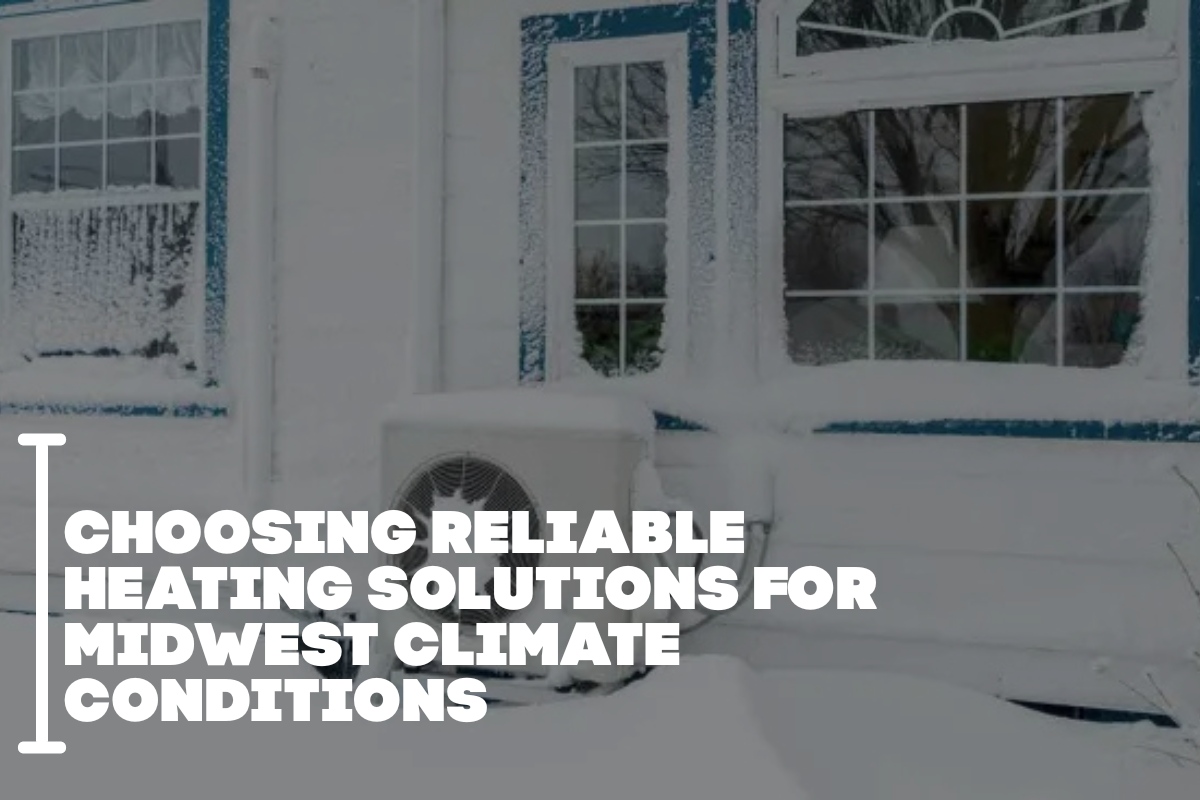
Advancements in technology have made cold-climate heat pumps increasingly viable in the Midwest. Unlike traditional heat pumps, cold-climate models are designed to operate efficiently at much lower outdoor temperatures.
These systems provide both heating and cooling, improving year-round efficiency. However, in areas with extended subzero conditions, heat pumps are often most effective when paired with a supplemental heating source to ensure consistent performance during extreme cold.
The Role of Insulation and Home Efficiency
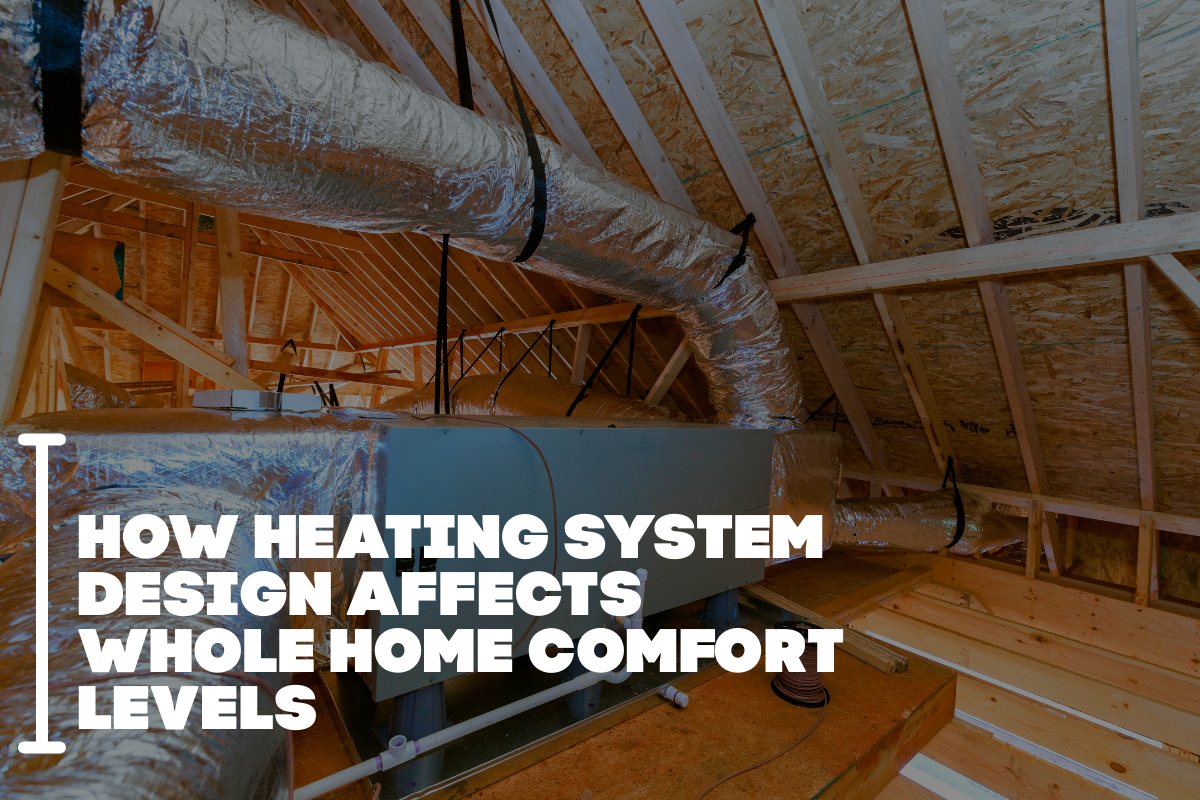
Even the most reliable heating system cannot perform well in an inefficient home. Proper insulation, sealed ductwork, and energy-efficient windows significantly reduce heat loss and strain on heating equipment.
In Midwest climates, investing in insulation upgrades can improve comfort, reduce energy bills, and extend the lifespan of heating systems. A comprehensive approach that combines reliable equipment with home efficiency measures yields the best results.
Energy Costs and Fuel Availability
Fuel availability and energy costs vary across the Midwest, influencing heating choices. Natural gas is widely available in many areas and often offers lower operating costs. In rural locations, propane, heating oil, or electric systems may be more common.
Evaluating local fuel prices, long-term cost trends, and system efficiency ratings helps homeowners select solutions that balance reliability with affordability.
Maintenance and Long-Term Reliability
Reliability depends not only on the type of heating system but also on maintenance. Midwest winters leave little room for system failure, making regular inspections and servicing essential.
Annual maintenance ensures components function properly, improves efficiency, and reduces the risk of breakdowns during peak demand. Choosing systems with readily available parts and local service support further enhances reliability.
Planning for Extreme Weather Events
Given the Midwest’s susceptibility to extreme cold snaps and storms, heating solutions should be selected with resilience in mind. Backup power options, secondary heat sources, and smart thermostats can provide added security during outages or sudden temperature drops.
Preparedness ensures that homes remain safe and livable even under challenging conditions.
FAQs
What heating system works best in extreme Midwest winters?
High-efficiency gas furnaces and boilers are among the most reliable options for sustained cold temperatures.
Are heat pumps effective in the Midwest?
Cold-climate heat pumps can be effective, especially when paired with supplemental heating for extreme cold.
How important is insulation for heating efficiency?
Insulation is critical. Proper insulation reduces heat loss and improves system performance and reliability.
Should heating systems be oversized for Midwest winters?
No. Proper sizing is essential. Oversized systems can reduce efficiency and increase wear.
How often should heating systems be serviced?
At least once a year, ideally before winter, to ensure safe and reliable operation.