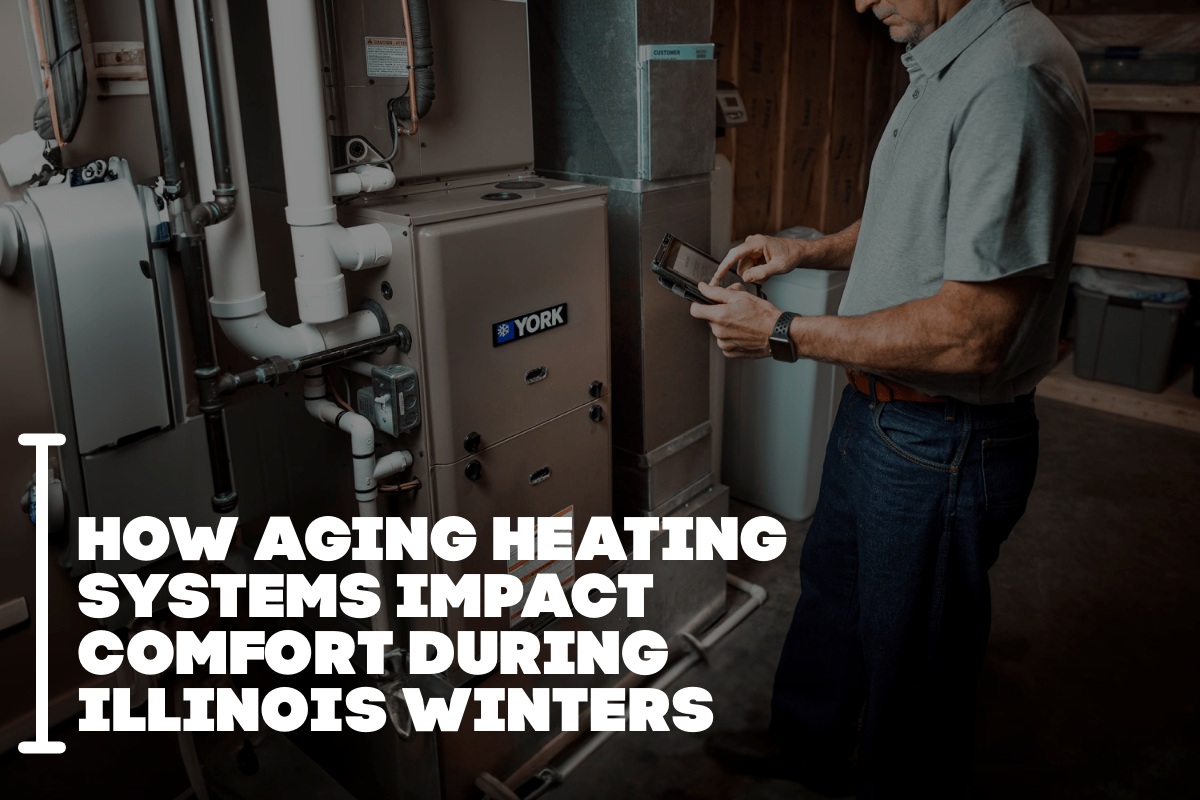
Illinois winters are known for their long durations, freezing temperatures, and biting winds. During these harsh months, a reliable heating system is not just a convenience—it is essential for comfort, safety, and daily living. However, many homes across Illinois still rely on aging heating systems that struggle to keep up with modern demands. As these systems wear down, they can significantly impact indoor comfort and overall home efficiency during the coldest times of the year.
Reduced Heating Efficiency and Uneven Temperatures
One of the most noticeable effects of an aging heating system is uneven heating throughout the home. Older furnaces and boilers often lose efficiency due to worn components, outdated technology, and years of accumulated wear. As a result, some rooms may feel adequately warm while others remain cold and uncomfortable. This inconsistency is especially problematic during Illinois winters, when temperature differences between rooms can become extreme.
Increased Strain During Extreme Cold
Illinois frequently experiences subzero temperatures and prolonged cold snaps. Aging heating systems are more likely to struggle under these conditions. Older units must work harder and run longer to maintain indoor temperatures, increasing strain on key components. This extra workload can lead to frequent cycling, breakdowns, or complete system failure at the worst possible time—often during peak winter conditions.
Rising Energy Bills and Reduced Comfort
As heating systems age, their efficiency declines, causing them to consume more energy to produce the same amount of heat. Homeowners may respond by raising thermostat settings to compensate for inadequate warmth, which further increases energy usage. Despite higher heating bills, indoor comfort often remains inconsistent, leaving homes feeling drafty or inadequately heated even as costs rise.
Slower Response and Longer Warm-Up Times
Modern heating systems are designed to respond quickly to temperature changes, providing steady and reliable warmth. Older systems, however, often take longer to heat the home, especially after nighttime temperature setbacks. In Illinois winters, this delay can make mornings particularly uncomfortable, with cold indoor air lingering long after the system has turned on.
Poor Air Quality and Dry Indoor Conditions
Aging heating systems can also negatively affect indoor air quality. Older furnaces may circulate dust, allergens, or combustion byproducts more easily due to worn filters or outdated ventilation designs. Additionally, inefficient heating systems often contribute to overly dry indoor air, which can cause discomfort such as dry skin, irritated sinuses, and increased static electricity during winter months.
Increased Risk of Breakdowns and Safety Concerns
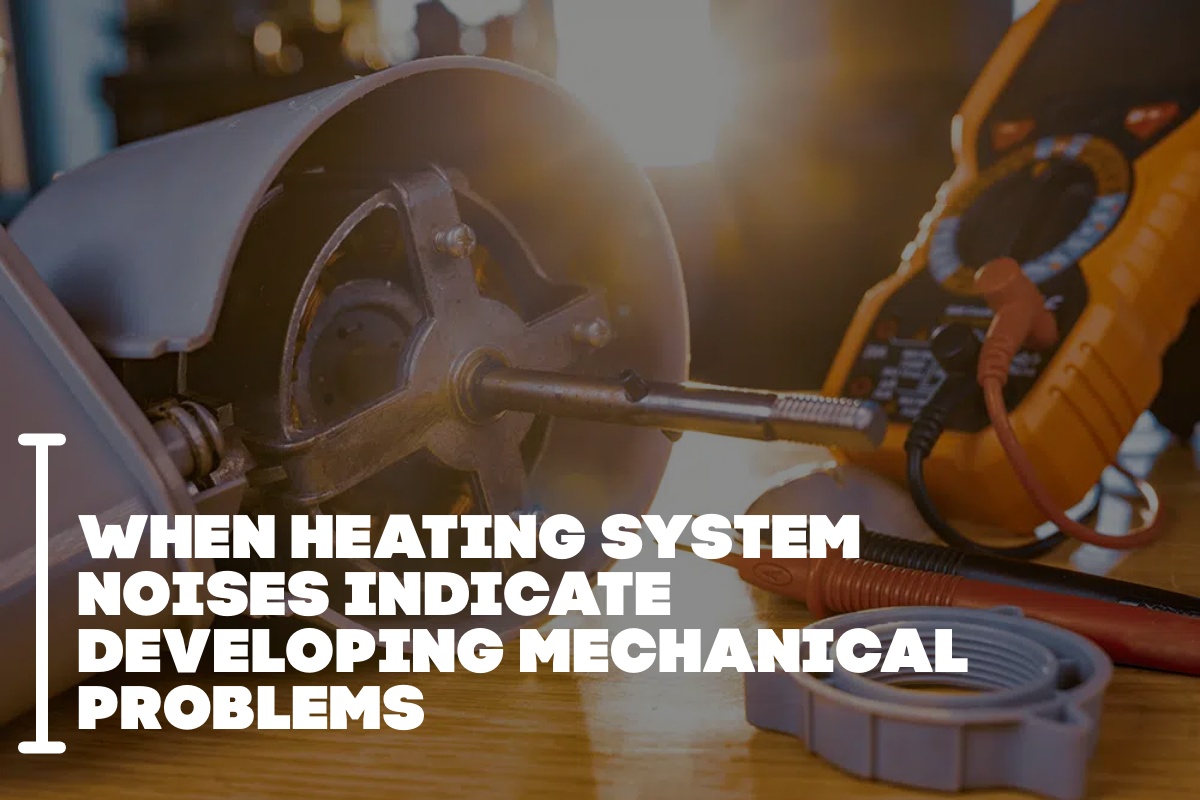
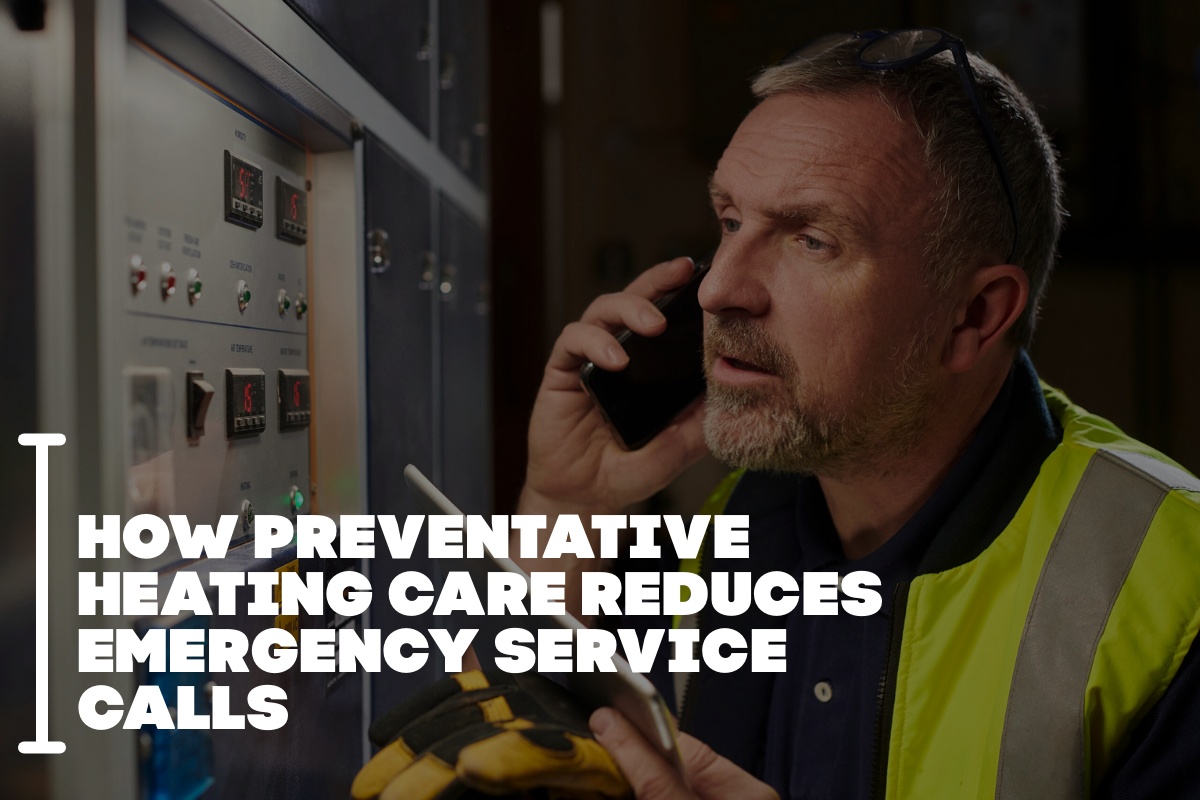
Older heating systems are more prone to unexpected breakdowns, which can quickly turn into comfort and safety issues during Illinois winters. A system failure during freezing weather can expose homes to dangerously low indoor temperatures and frozen pipes. In some cases, aging systems may also pose safety risks, such as carbon monoxide leaks or faulty electrical components, if not properly maintained.
Limitations Compared to Modern Heating Technology
Modern heating systems offer advanced features such as variable-speed blowers, smart thermostats, and zoned heating, all of which enhance comfort and efficiency. Aging systems lack these capabilities, making it harder to maintain consistent temperatures and adapt to changing weather conditions. This technological gap becomes more noticeable during extreme Illinois winters when precise temperature control is most important.
The Comfort Benefits of Upgrading or Proactive Maintenance
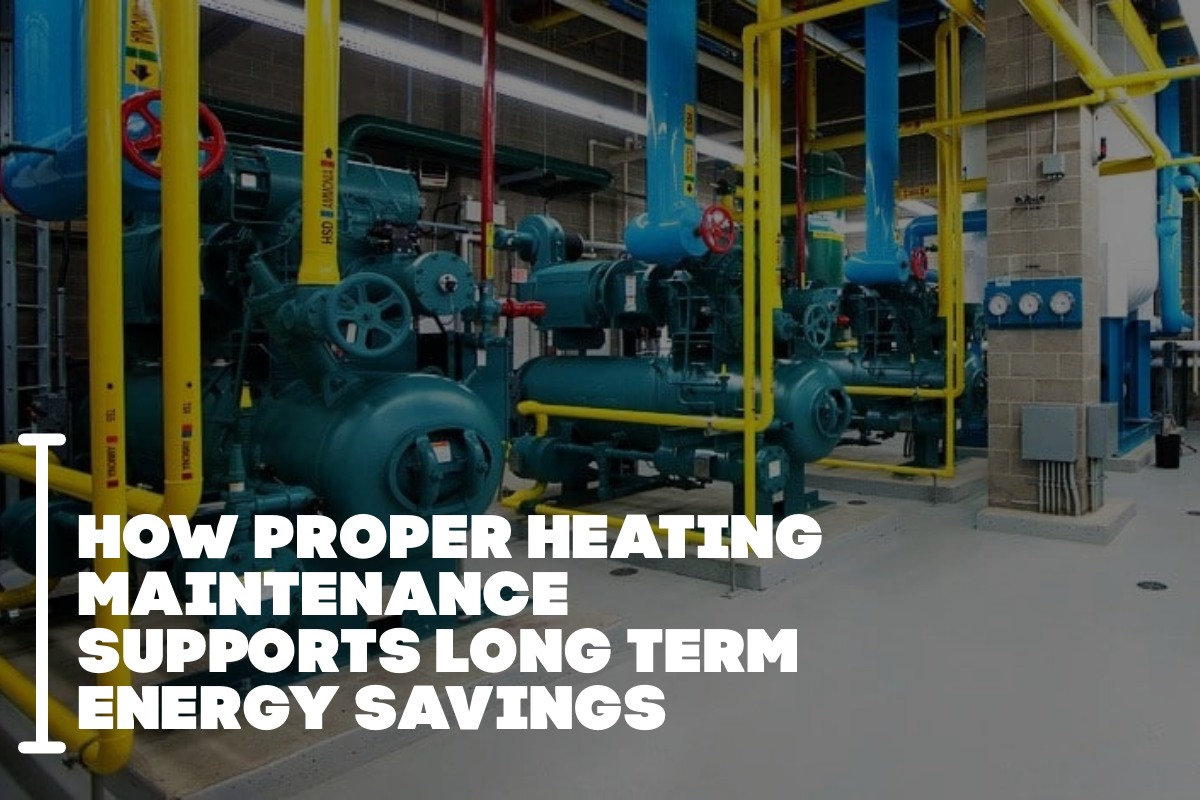
While regular maintenance can help extend the life of an older heating system, there comes a point when upgrades provide greater comfort benefits. Newer systems deliver more consistent heat, improved efficiency, quieter operation, and better air quality. For homeowners not ready to replace their system, proactive inspections and timely repairs can still improve comfort and reduce winter disruptions.
FAQs
How can I tell if my heating system is too old for Illinois winters?
Frequent repairs, uneven heating, rising energy bills, and difficulty maintaining temperature are common signs.
Do older heating systems struggle more during extreme cold?
Yes. Aging systems are less efficient and often cannot handle prolonged subzero temperatures effectively.
Can maintenance improve comfort with an old heating system?
Regular maintenance can help, but it cannot fully restore efficiency or performance lost due to age.
Is upgrading a heating system worth it in Illinois?
Often yes. New systems provide better comfort, efficiency, and reliability during harsh winters.
What risks come with using an aging heating system in winter?
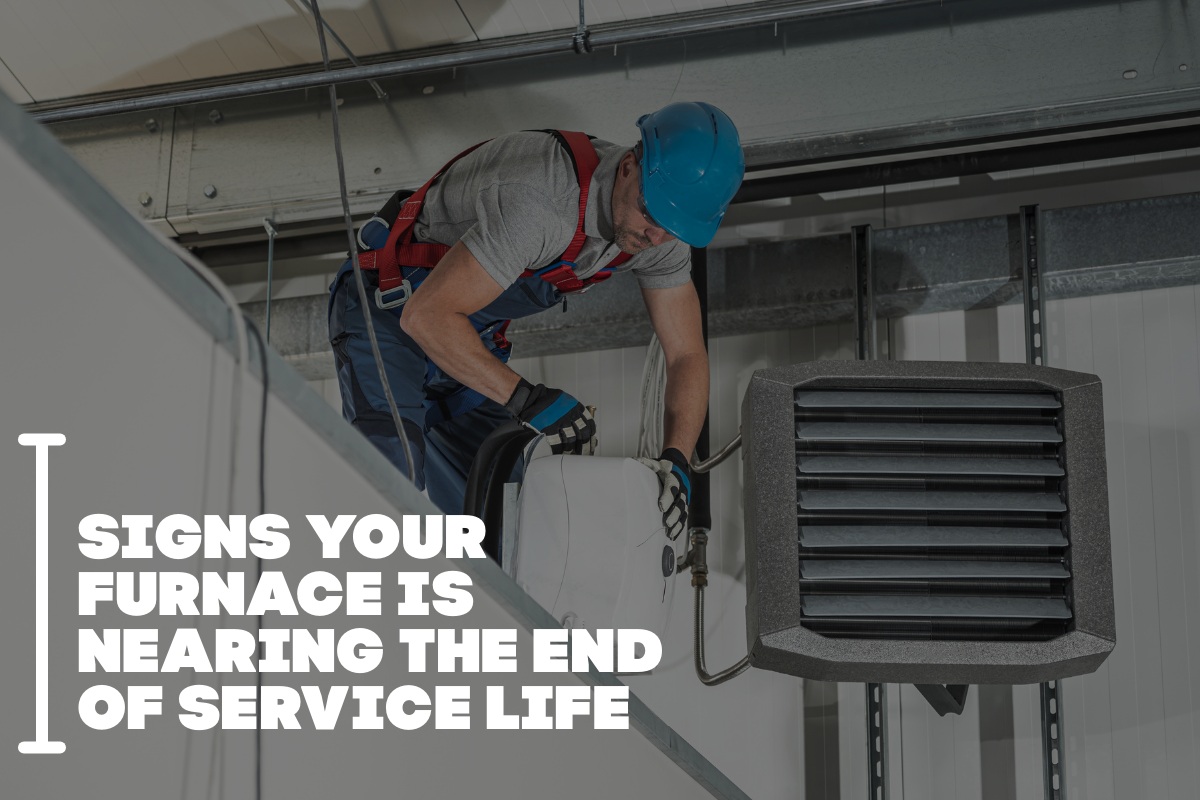
Risks include breakdowns, higher energy costs, poor air quality, and potential safety concerns such as carbon monoxide leaks.