A reliable heating system is essential for maintaining a warm, safe, and comfortable home—especially during colder months. While many homeowners focus on repairing furnaces only when problems arise, regular furnace tune-ups play a crucial preventive role.
Routine maintenance not only extends equipment lifespan but also enhances safety, efficiency, and indoor comfort. Understanding the value of scheduled furnace service helps homeowners protect both their property and their families.
Why Furnace Maintenance Is Essential
Your furnace operates for extended periods during winter, often running daily. Over time, dust accumulation, worn components, and airflow restrictions can reduce efficiency and increase safety risks. A professional tune-up ensures that the system functions optimally and safely.
Benefits of regular furnace maintenance include:
- Improved heating performance
- Reduced risk of carbon monoxide leaks
- Lower energy consumption
- Extended equipment lifespan
- Fewer emergency breakdowns
Preventive maintenance is far more cost-effective than major repairs or full system replacement.
Key Components Checked During a Furnace Tune-Up
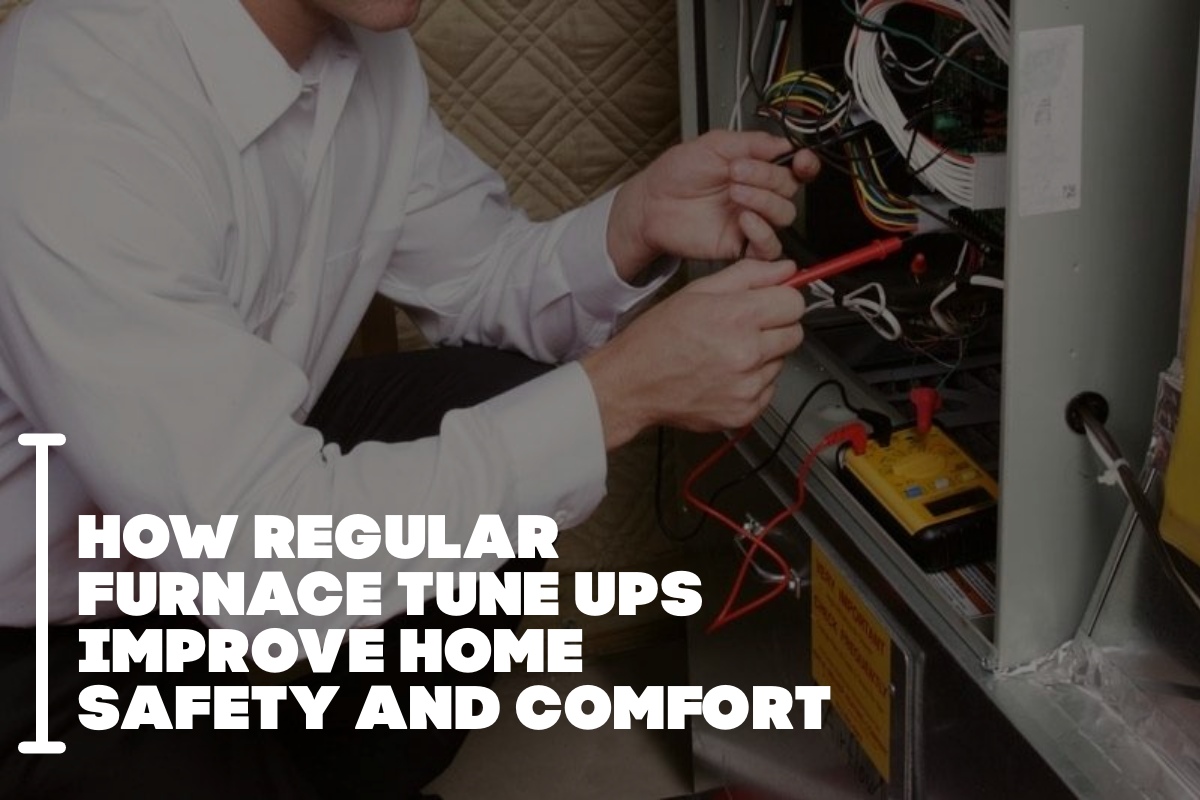
A comprehensive furnace inspection covers several critical components to ensure safe and efficient operation.
| Component Inspected | Purpose | Safety & Comfort Impact |
|---|---|---|
| Heat Exchanger | Transfers heat safely | Prevents carbon monoxide leaks |
| Burner Assembly | Generates heat | Ensures efficient combustion |
| Blower Motor | Circulates warm air | Improves airflow and comfort |
| Air Filter | Traps dust and debris | Enhances indoor air quality |
| Thermostat | Regulates temperature | Maintains consistent comfort |
| Electrical Connections | Powers system components | Prevents fire hazards |
By addressing minor issues early, technicians prevent larger mechanical failures later.
Enhancing Home Safety Through Regular Service
Safety is one of the most important reasons to schedule furnace tune-ups. Heating systems that burn fuel—such as natural gas or oil—can pose risks if not maintained properly.
Common Safety Risks Prevented by Tune-Ups:
- Carbon monoxide exposure
- Gas leaks
- Electrical malfunctions
- Overheating components
- Fire hazards from dust buildup
A cracked heat exchanger, for example, can release carbon monoxide into living spaces. During a tune-up, technicians inspect for cracks or corrosion and ensure ventilation systems are functioning correctly. These checks significantly reduce the risk of hazardous indoor air conditions.
Installing and maintaining carbon monoxide detectors adds another layer of protection.
Improving Indoor Comfort and Air Quality
Beyond safety, furnace maintenance directly affects how comfortable your home feels. A properly tuned system distributes heat evenly, preventing cold spots and inconsistent temperatures.
Comfort Improvements from Regular Maintenance:
- Steady airflow throughout rooms
- Reduced noise from system operation
- Better humidity balance
- Cleaner indoor air
Replacing or cleaning air filters during tune-ups reduces airborne allergens such as dust, pet dander, and pollen. This is particularly beneficial for households with allergy sufferers or respiratory conditions.
Boosting Energy Efficiency and Lowering Costs
When a furnace operates inefficiently, it consumes more energy to produce the same amount of heat. Dirty burners, clogged filters, and worn motors force the system to work harder, increasing utility bills.
Regular tune-ups help:
- Optimize fuel combustion
- Improve airflow efficiency
- Calibrate thermostat accuracy
- Reduce unnecessary strain on components
According to industry estimates, routine maintenance can improve furnace efficiency by up to 15%. Over time, this translates into noticeable energy savings and reduced environmental impact.
Extending Furnace Lifespan
Most furnaces are designed to last between 15 and 20 years. However, neglecting maintenance can significantly shorten that lifespan. Small issues—such as loose electrical connections or minor airflow restrictions—can escalate into major system damage.
Routine tune-ups:
- Reduce mechanical wear and tear
- Identify aging parts before failure
- Maintain manufacturer warranty requirements
- Prevent premature replacement
By investing in annual service, homeowners protect their long-term heating investment.
Recommended Maintenance Schedule
To maintain peak performance, experts recommend:
- Annual professional furnace inspection, ideally before winter
- Air filter replacement every 1–3 months
- Periodic thermostat checks for accuracy
- Visual inspections for unusual sounds or odors
Scheduling maintenance in early fall ensures the system is prepared before heavy seasonal use begins.
Long-Term Peace of Mind
Home heating systems are complex appliances that require attention to operate safely and efficiently. Regular furnace tune-ups offer homeowners peace of mind, knowing their system is functioning properly when they need it most.
Consistent maintenance reduces unexpected breakdowns during extreme weather and ensures that indoor spaces remain warm, healthy, and comfortable.
FAQs
How often should I schedule a furnace tune-up?
Most heating professionals recommend scheduling a furnace tune-up once per year, ideally before the winter heating season begins.
Can a furnace tune-up really prevent carbon monoxide leaks?
Yes. During a tune-up, technicians inspect the heat exchanger and ventilation system to detect cracks or blockages that could lead to carbon monoxide exposure.
Will regular maintenance lower my energy bills?
Yes. A properly maintained furnace operates more efficiently, using less fuel or electricity to heat your home.
Is furnace maintenance necessary for newer systems?
Absolutely. Even new furnaces require annual inspections to maintain efficiency, safety, and warranty compliance.
What happens if I skip regular furnace maintenance?
Skipping maintenance increases the risk of breakdowns, higher energy costs, safety hazards, and premature system failure.