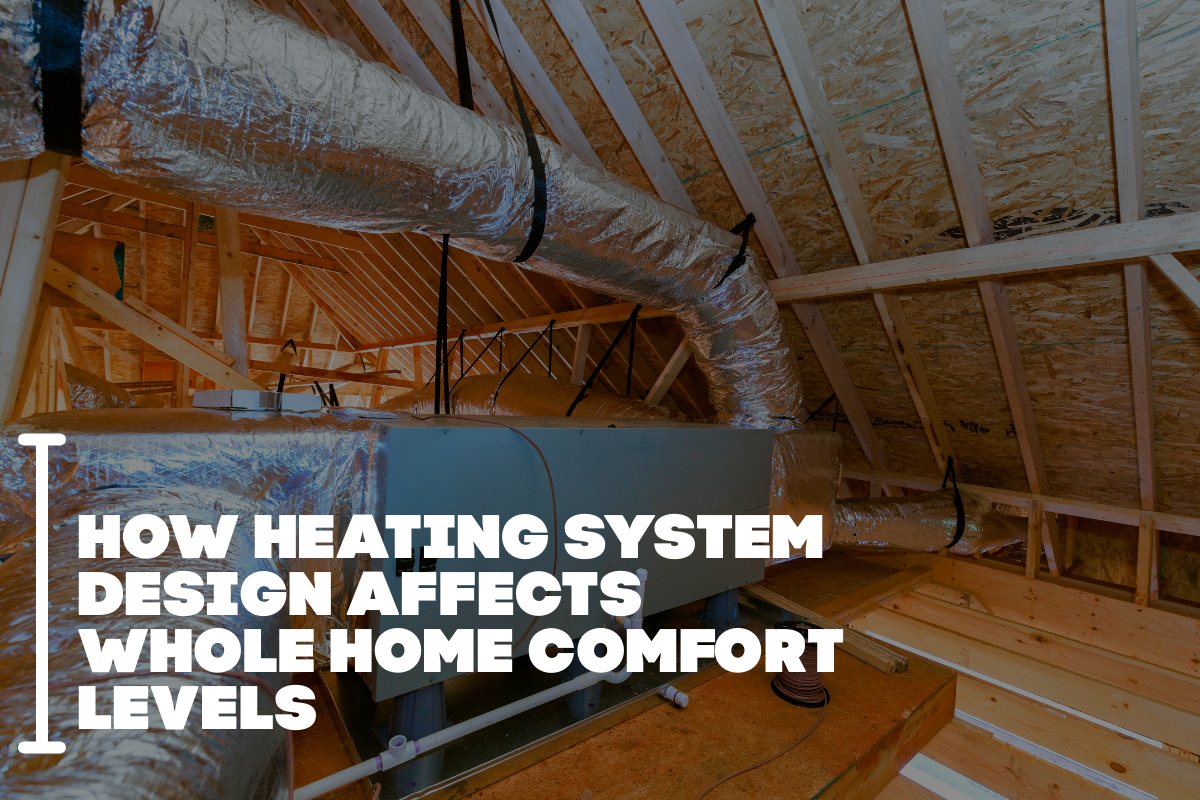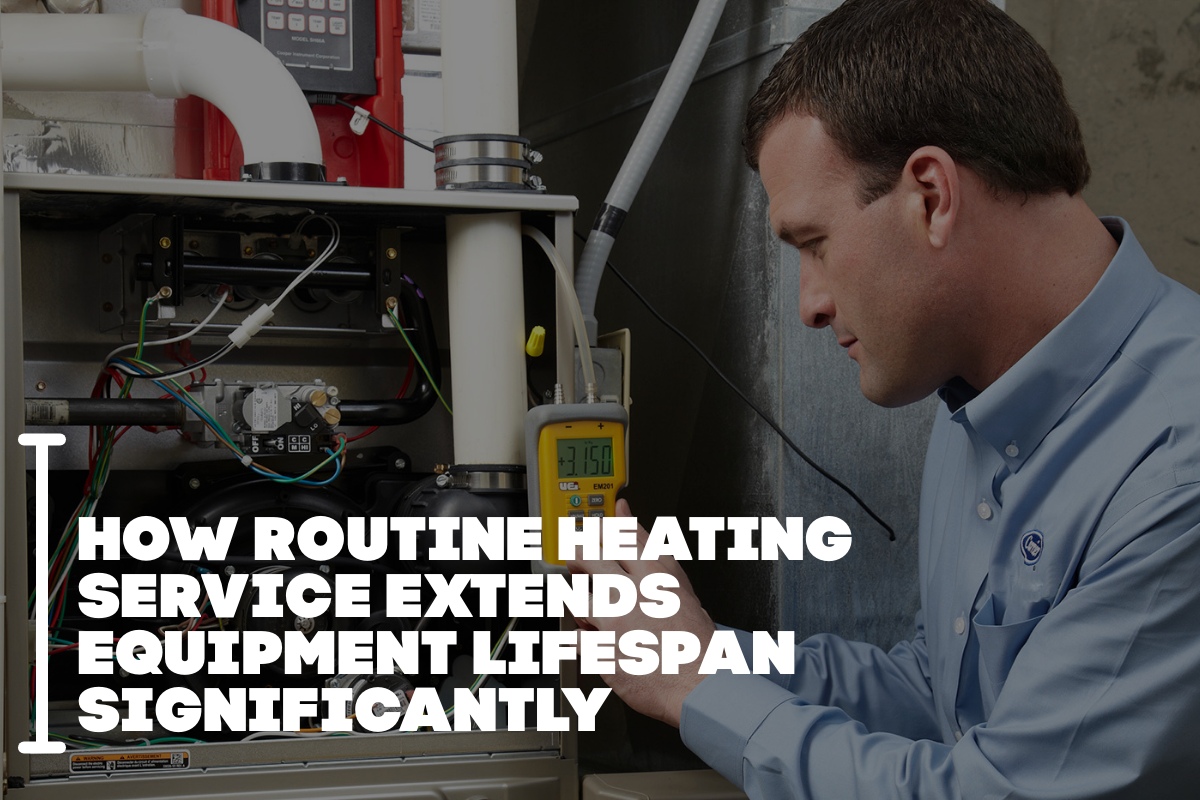
Heating systems are one of the most expensive and essential components of a home, especially in colder climates where they run for months at a time. Yet many homeowners treat their heating equipment as “set it and forget it” until something breaks. Routine heating service may seem optional, but in reality, it plays a major role in how long your system lasts, how reliably it performs, and how much it costs you over time.
Consistent maintenance doesn’t just prevent breakdowns—it actively slows wear and tear, helping heating equipment reach or even exceed its expected lifespan.
Why Heating Systems Wear Out Faster Without Maintenance
Every heating system contains moving parts, electrical components, and combustion elements that operate under stress. Dust, dirt, and normal mechanical friction gradually degrade these parts. When maintenance is skipped, small issues compound: airflow becomes restricted, components overheat, and systems are forced to work harder than designed.
This constant strain accelerates aging. Motors burn out sooner, heat exchangers crack, and controls fail prematurely. What might have been a minor adjustment during routine service often turns into a major repair—or full replacement—when ignored.
How Routine Service Reduces Mechanical Stress
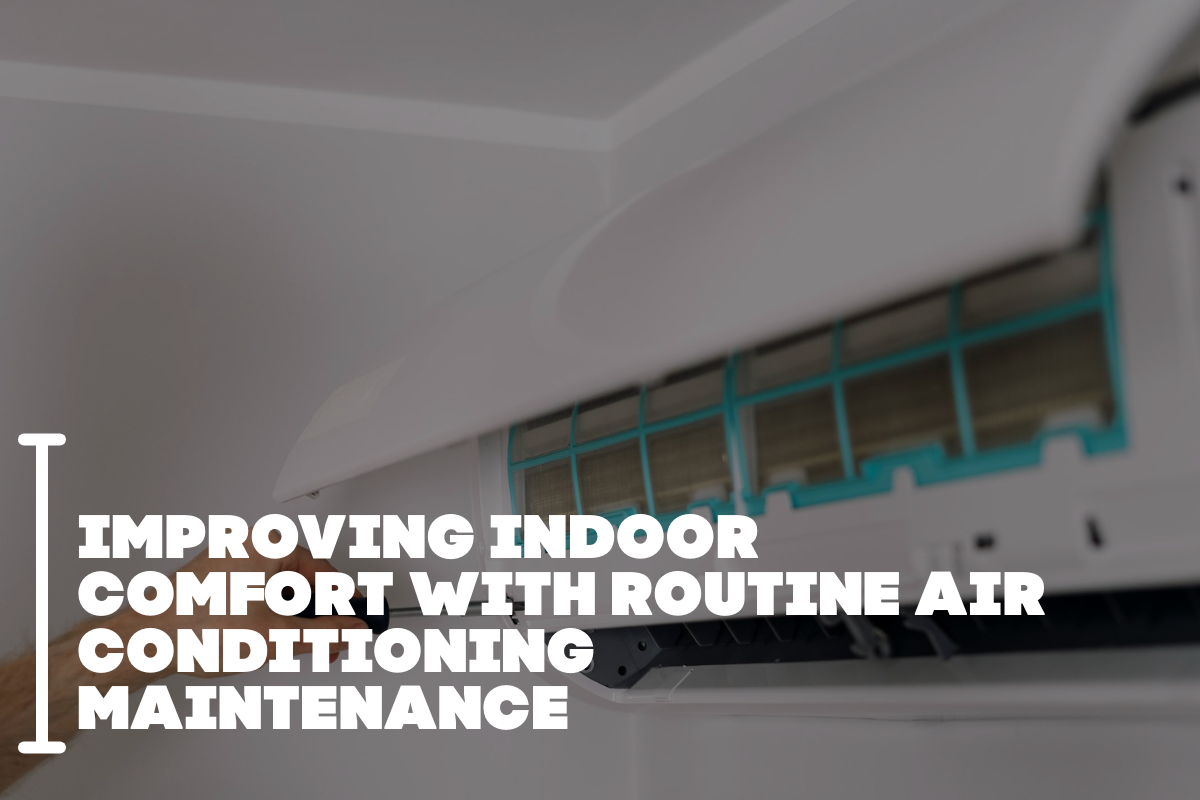
Professional heating service focuses on keeping the system operating within proper parameters. Cleaning burners, lubricating moving parts, tightening electrical connections, and calibrating controls all reduce resistance and inefficiency.
When airflow is balanced and components are clean, the system cycles on and off as intended instead of running excessively. Shorter, more efficient cycles mean less heat buildup, less vibration, and less long-term damage. Over years of operation, this reduction in stress has a measurable impact on system longevity.
Early Detection Prevents Catastrophic Failure
One of the most valuable aspects of routine heating service is early problem detection. Technicians can spot worn belts, failing igniters, corroded wiring, or hairline cracks long before they cause a shutdown.
Addressing these issues early prevents chain reactions where one failing component damages others. For example, a clogged filter can overheat a blower motor, which then strains electrical systems and reduces overall efficiency. Catching the issue early protects the entire system, not just one part.
Improved Efficiency Means Less Wear Over Time
Efficiency and lifespan are closely connected. An inefficient heating system must run longer to produce the same level of comfort. This extended runtime increases operating hours, which directly contributes to faster wear.
Routine service improves efficiency by ensuring proper combustion, clean heat transfer surfaces, and accurate thermostat operation. When the system heats the home faster and more evenly, it spends less time running—and less time running means fewer opportunities for damage.
Protecting Critical and Expensive Components
Certain heating components are especially costly to replace, such as heat exchangers, control boards, and blower motors. These parts are also sensitive to neglect. Dirt buildup, improper airflow, or electrical imbalance can shorten their lifespan dramatically.
Routine service focuses on protecting these high-value components by keeping operating conditions stable. Even small adjustments—like correcting gas pressure or cleaning sensors—can add years to the life of these parts.
Consistency Matters More Than Frequency
It’s not just about servicing a system once—it’s about consistency. Annual or seasonal maintenance creates a documented history of system performance. This allows technicians to track gradual changes and intervene before decline accelerates.
Heating systems that receive regular service often last several years longer than identical systems that don’t. Over time, this translates into delayed replacement costs and better return on the original investment.
Long-Term Financial Benefits
While routine heating service has an upfront cost, it significantly reduces long-term expenses. Fewer emergency repairs, lower energy bills, and postponed system replacement add up quickly. In many cases, a single avoided major repair can offset years of maintenance costs.
More importantly, homeowners gain reliability and peace of mind during peak heating seasons—when system failure is most disruptive and expensive.
FAQs
How often should heating systems be serviced?
Most systems benefit from professional service once a year, ideally before the heating season begins.
Does routine service really extend system lifespan?
Yes. Regular maintenance reduces wear, prevents major failures, and helps systems reach or exceed their expected lifespan.
What parts benefit most from routine service?
Motors, heat exchangers, burners, sensors, and electrical components all last longer with proper maintenance.
Can maintenance prevent all breakdowns?
No system is failure-proof, but routine service greatly reduces the likelihood of sudden, costly breakdowns.
Is maintenance still necessary for newer systems?
Absolutely. Newer systems still experience wear, and maintenance is often required to keep warranties valid.
What happens if heating service is skipped for years?
Skipping service increases energy costs, accelerates component failure, and significantly shortens equipment lifespan.