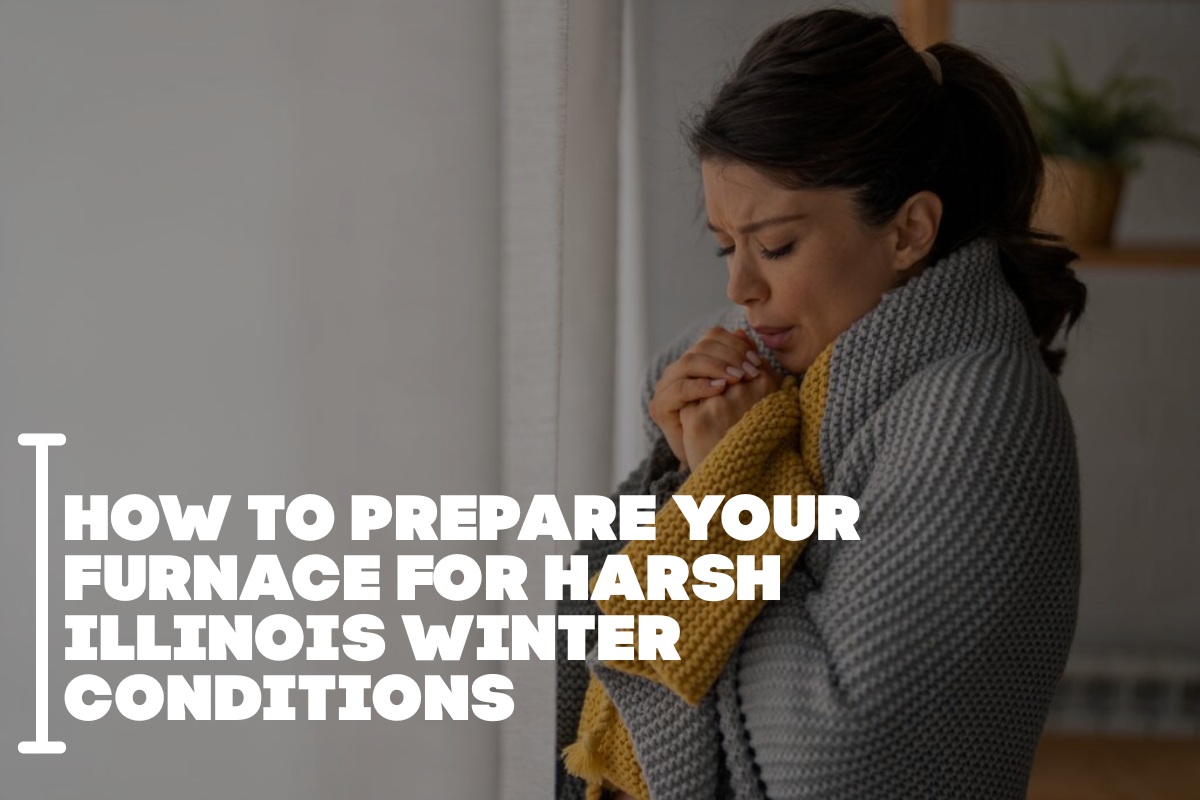
Winters in Illinois are known for freezing temperatures, strong winds, and sudden weather shifts. When cold weather settles in, your furnace becomes one of the most critical systems in your home. Proper preparation before winter arrives helps ensure reliable heating, lower energy bills, and fewer emergency breakdowns during the coldest months.
Taking proactive steps now can protect both your comfort and your budget throughout the season.
Schedule a Professional Furnace Inspection
One of the most important steps in winter preparation is a professional furnace inspection. A trained technician can identify worn components, safety concerns, and efficiency issues before they turn into system failures.
An inspection typically includes checking burners, heat exchangers, ignition systems, and safety controls. Catching problems early reduces the risk of mid-winter breakdowns when repair services are in high demand.
Replace or Clean Air Filters Regularly
Dirty air filters restrict airflow, forcing your furnace to work harder and reducing heating efficiency. In Illinois winters, furnaces often run continuously, making clean filters even more important.
Check filters monthly during heating season and replace them as needed. Clean filters improve airflow, protect internal components, and help maintain consistent indoor temperatures.
Test the Thermostat Before Cold Sets In
Your thermostat controls when and how your furnace operates. Before winter begins, test it to ensure it responds accurately and maintains the desired temperature.
If your home has uneven heating or temperature fluctuations, recalibrating or upgrading to a programmable or smart thermostat can improve comfort and energy efficiency throughout the season.
Inspect Vents and Registers
Blocked or closed vents limit heat distribution and strain your furnace. Walk through your home to ensure vents and registers are open, unobstructed, and free of dust or debris.
Balanced airflow helps your system heat evenly, reducing cold spots and preventing unnecessary wear on the furnace.
Check Exhaust and Intake Pipes
Furnace exhaust and intake pipes must remain clear to operate safely. Snow, ice, leaves, or debris can block vents, especially during heavy Illinois snowfall.
Before winter and after major storms, inspect outdoor pipes to ensure they are unobstructed. Blocked vents can cause dangerous carbon monoxide buildup or trigger furnace shutdowns.
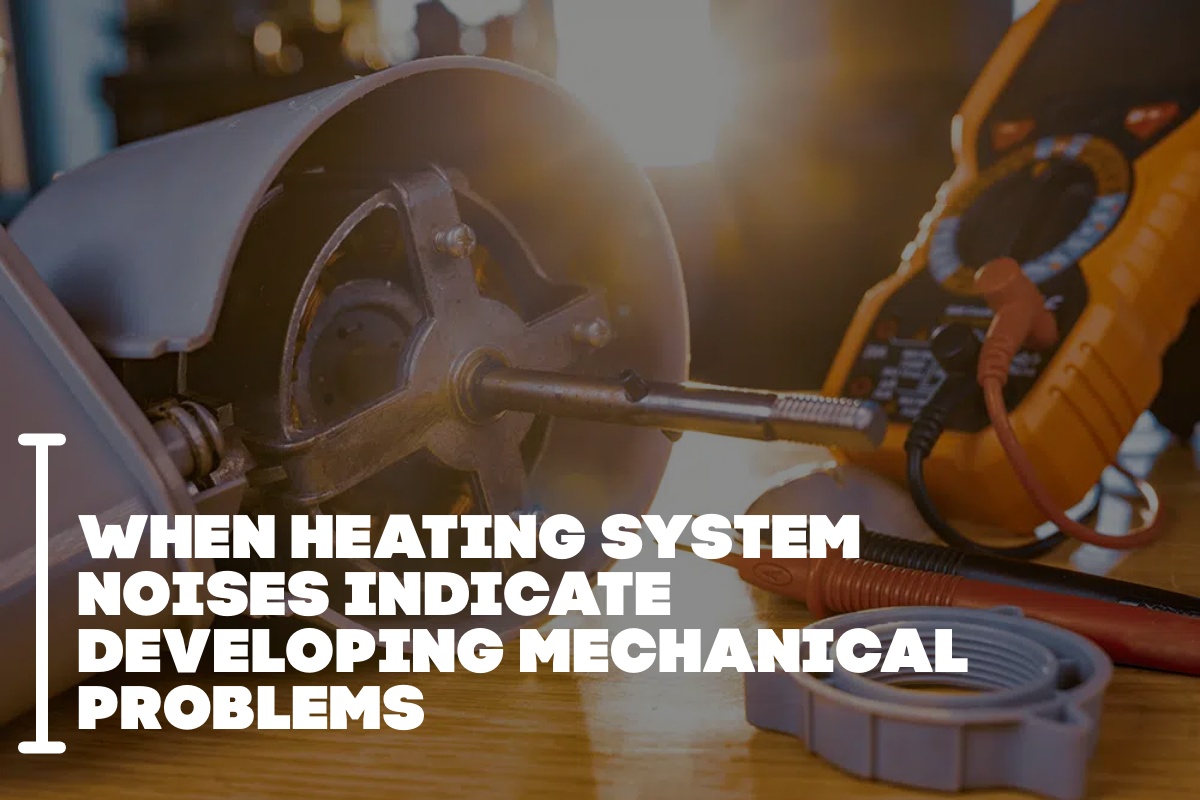
Listen for Unusual Noises
Familiarize yourself with how your furnace normally sounds. Rattling, banging, whistling, or grinding noises may indicate loose components, airflow issues, or mechanical wear.
Addressing unusual sounds early can prevent small issues from escalating into costly repairs during extreme cold.
Seal Air Leaks Around the Home
Even a well-maintained furnace can struggle if warm air escapes your home. Drafts around windows, doors, attics, and basements force your system to run longer and harder.
Sealing leaks with weatherstripping or caulking helps retain heat, improves comfort, and reduces furnace workload during harsh winter conditions.
Ensure Carbon Monoxide Detectors Are Working
Carbon monoxide safety is especially important during heating season. Test detectors on every level of your home and replace batteries as needed.
A properly functioning furnace should not produce indoor carbon monoxide, but early detection provides an essential layer of protection for your household.
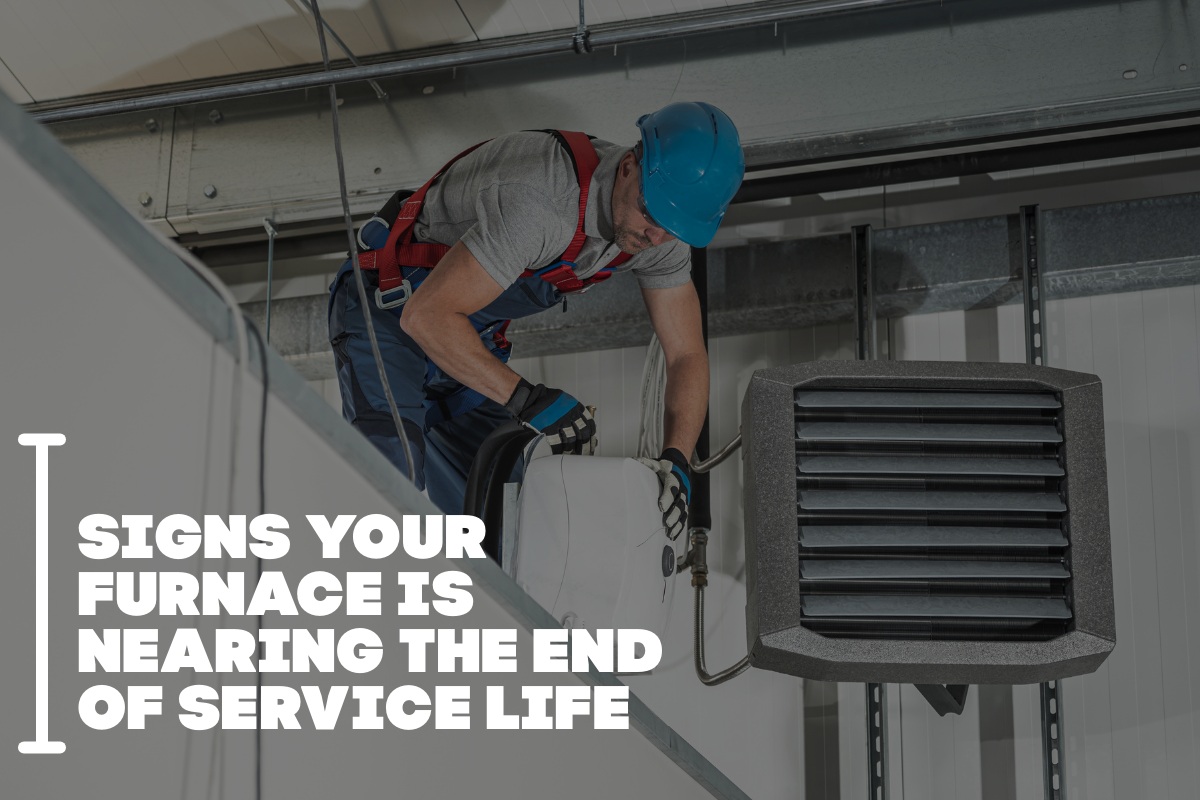
Review Furnace Age and Performance
If your furnace is more than 15 years old, consider evaluating its performance and efficiency. Older systems may struggle during extreme cold and cost more to operate.
Knowing your furnace’s condition helps you plan repairs or replacement proactively rather than facing an emergency failure during a winter storm.
Create a Winter Maintenance Checklist
Simple ongoing habits can keep your furnace running smoothly throughout winter. These include:
- Monitoring indoor temperatures
- Changing filters regularly
- Checking vents after snowstorms
- Scheduling prompt service if issues arise
Consistency reduces stress on the system and extends its lifespan.
Preparing your furnace for harsh Illinois winter conditions is an essential part of protecting your home and family. From professional inspections and clean filters to clear vents and sealed air leaks, small preventative steps make a big difference when temperatures drop.
By addressing furnace readiness before winter arrives, you reduce the risk of breakdowns, improve efficiency, and ensure reliable warmth during even the coldest Illinois nights.
Frequently Asked Questions (FAQ)
When should I prepare my furnace for winter?
Ideally, preparation should happen in early fall before cold weather begins.
How often should furnace filters be changed in winter?
Most filters should be checked monthly and replaced every one to three months during heavy use.
Can snow affect furnace performance?
Yes. Snow and ice can block exhaust or intake vents, causing safety issues or shutdowns.
Is a furnace inspection really necessary every year?
Annual inspections help catch safety and efficiency issues early and are especially important in cold climates.
What’s the biggest sign my furnace isn’t ready for winter?
Uneven heating, unusual noises, frequent cycling, or rising energy bills can indicate underlying problems.